
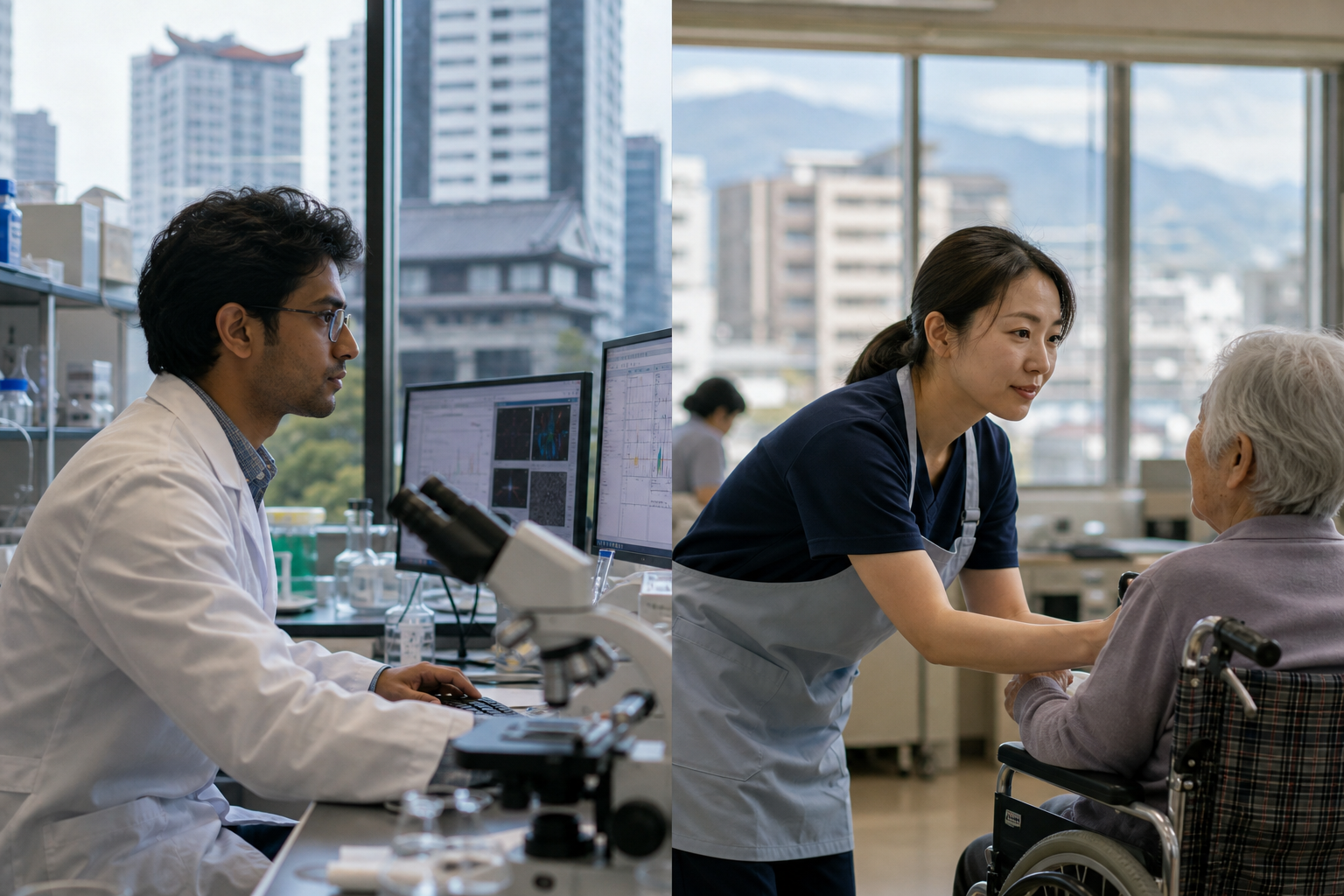
Imagine two people arriving in Northeast Asia. One is an AI researcher joining a major laboratory. The other is a factory worker filling a job that local employers cannot fill. Both may be needed, but they may receive very different visas, rights, and opportunities to stay. Japan, China, and South Korea increasingly recruit foreign workers, yet they do not grant every group the same future. They remain wary of immigration that may permanently change society.
北東アジアに到着する二人を想像してください。一人は主要な研究所に加わるAI研究者です。もう一人は、地元の雇用主が埋められない職を埋める工場労働者です。どちらも必要とされるかもしれませんが、受け取るビザ、権利、滞在の機会は大きく異なるかもしれません。日本、中国、韓国はますます外国人労働者を募集していますが、すべてのグループに同じ未来を与えるわけではありません。社会を恒久的に変えうる移民に対しては、依然として警戒しています。
The three countries face similar pressures. Their populations are aging, and employers in many industries struggle to find enough workers. At the same time, immigration raises questions about language, national identity, security, and social unity. Governments have therefore preferred selective systems that control who can enter, what work they can do, and how long they can remain. Foreign workers are often treated as a solution to a particular economic need rather than as future members of society.
三国は似た圧力に直面しています。人口は高齢化し、多くの産業の雇用主は十分な労働者を見つけるのに苦労しています。同時に、移民は言語、国民のアイデンティティ、安全保障、社会的結束についての問いを提起します。そのため政府は、誰が入国できるか、どんな仕事ができるか、どのくらい滞在できるかを管理する選別的な制度を好んできました。外国人労働者はしばしば、社会の将来の一員としてではなく、特定の経済的必要性への解決策として扱われます。
China provides a clear example. Its 2020 census recorded about 846,000 foreign residents in mainland China—a very small number compared with its population of more than 1.4 billion at the time. However, China introduced the K visa in October 2025. The visa targets young foreign professionals in science and technology and does not require an invitation from a Chinese employer. It shows that China wants international talent, although permanent residence and citizenship remain difficult for most foreigners to obtain.
中国は明確な例を示しています。2020年の国勢調査では、中国本土の外国人在留者は約84万6000人と記録されました。当時の人口14億人超と比べると、非常に小さい数です。しかし中国は、2025年10月にKビザを導入しました。このビザは科学技術分野の若い外国人専門人材を対象とし、中国の雇用主からの招へいを必要としません。中国が国際的な人材を求めていることを示していますが、永住権と市民権は、ほとんどの外国人にとって依然として取得が難しいままです。
South Korea is also opening different doors for different workers. Its E-9 visa allows smaller companies to employ foreign workers when they cannot find enough Korean workers. In 2024, the government expanded the system to include more jobs in restaurants, forestry, and mining. At the other end of the labor market, its Top-Tier Visa attracts experts in advanced industries. In 2026, eligibility was widened to include outstanding professors and researchers. Korea is therefore recruiting both workers for difficult-to-fill jobs and highly qualified people who may support technological growth.
韓国もまた、異なる労働者に対して異なる扉を開いています。E-9ビザは、韓国人労働者を十分に見つけられないとき、より小さな企業が外国人労働者を雇用することを認めます。2024年、政府はその制度を拡大し、飲食、林業、鉱業のより多くの職を含めました。労働市場のもう一端では、トップティアビザが先端産業の専門家を引き付けます。2026年には、対象が優れた教授や研究者にも広げられました。したがって韓国は、埋めにくい職のための労働者と、技術成長を支えうる高度資格者の両方を募集しています。
Japan follows a similar pattern. As Day 2 explained, the Specified Skilled Worker system brings people into industries facing labor shortages, while separate routes offer better conditions to some highly skilled professionals. These programs make Japan more open than its traditional image suggests. However, the country has not created one clear immigration system that explains how temporary workers can become permanent residents or full members of society.
日本も似たパターンに従っています。第2日で説明したように、特定技能制度は労働力不足に直面する産業に人を招き入れ、一方で別の経路が一部の高度な専門人材により良い条件を提供します。これらの制度は、伝統的なイメージが示唆するよりも日本をより開かれたものにしています。しかし、一時的な労働者がどのように永住者や社会の完全な一員になれるかを説明する、一つの明確な移民制度は作られていません。
This selective approach gives governments greater control, but it can also create problems. Some systems tie workers to one employer, making it difficult for them to leave a bad workplace. Temporary workers may pay taxes, raise children, and support local communities for years while remaining uncertain about their future. This creates a difficult policy question: Should long-term contribution lead to greater access to family life and permanent residence, or should temporary visas remain limited to their original purpose? Different societies may answer this question differently.
この選別的なアプローチは政府により大きな管理をもたらしますが、問題も生みえます。一部の制度は労働者を一人の雇用主に結びつけ、劣悪な職場を離れるのを難しくします。一時的な労働者は、何年にもわたり税金を払い、子どもを育て、地域社会を支えながらも、自分の将来について不確実なままかもしれません。これは難しい政策上の問いを生み出します。長期的な貢献は、家族生活や永住権へのより大きなアクセスにつながるべきか、それとも一時ビザは当初の目的に限定されたままであるべきか。異なる社会は、この問いに異なる答えを出すかもしれません。
Public concerns should not simply be dismissed. Rapid population change can place pressure on housing, schools, and local services. Poor integration and weak enforcement can also fuel distrust. However, problems in Europe or North America do not prove that immigration must produce the same results everywhere. The scale of migration, the selection system, labor protections, and support after arrival all affect the outcome. Governments need to learn from other countries without assuming that every foreign resident creates the same risks.
公衆の懸念は、単に退けられるべきではありません。急速な人口変化は、住宅、学校、地域サービスに圧力をかけえます。不十分な統合と弱い執行もまた、不信を助長しえます。しかし、ヨーロッパや北米の問題は、移民がどこでも同じ結果を生まなければならないことを証明するわけではありません。移住の規模、選別制度、労働保護、到着後の支援がすべて結果に影響します。政府は、すべての外国人在留者が同じリスクを生むと仮定せずに、他国から学ぶ必要があります。
Immigration alone cannot reverse population aging. Northeast Asian countries will also need to use technology, increase productivity, support parents, and help more older people and women remain in the workforce. Nevertheless, foreign residents are likely to become more important as these societies adapt to demographic change. The deeper question is what, if anything, long-term contribution should mean for a person’s future legal and social status—and whether people who live in a country for many years feel that they belong in the wider society, whatever their legal status.
移民だけでは人口高齢化を逆転させることはできません。北東アジアの国々はまた、技術を使い、生産性を高め、親を支え、より多くの高齢者と女性が労働力にとどまるよう助ける必要もあります。それでも、これらの社会が人口動態の変化に適応するにつれ、外国人在留者はより重要になりそうです。より深い問いは、もしあるとすれば、長期的な貢献が人の将来の法的・社会的地位にとって何を意味すべきか、そして何年もその国に住む人々が、法的地位が何であれ、より広い社会に自分が属していると感じるかどうかです。