
← News Topics

AI Chips, Espionage, and the US–China Rivalry

Day 1 — Why Is Nvidia’s CEO at the Center of a Spy Scandal?

AIチップ、スパイ活動、そして米中対立 ― 第1日:なぜエヌビディアのCEOがスパイ疑惑の中心にいるのか

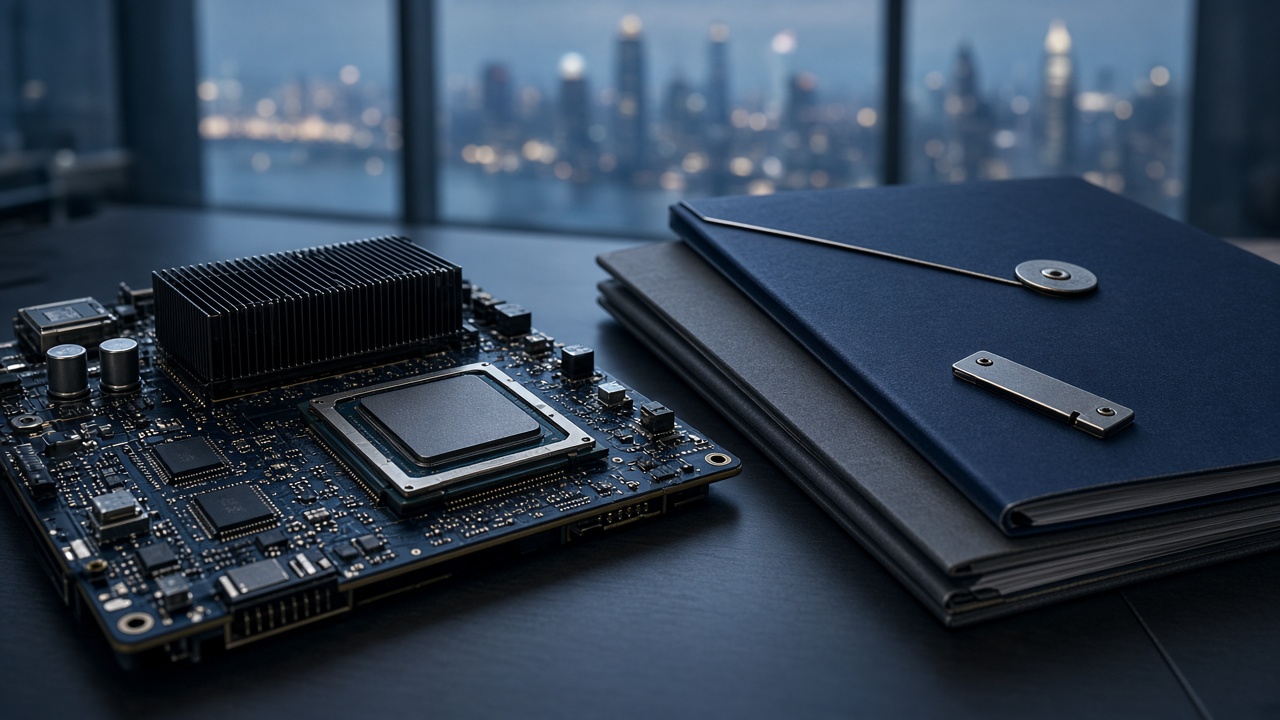
A high-end AI chip circuit board on a dark desk beside sealed export-control folders, suggesting US–China technology rivalry

On November 8, Jensen Huang, the chief executive of Nvidia, one of America’s most powerful technology companies, issued an unusual public apology. He acknowledged having been unfaithful to his wife. But this was becoming much more than a salacious personal scandal. American intelligence officials reportedly suspected that a businesswoman linked to Huang was working for Chinese intelligence. Nvidia’s board announced an independent investigation into whether its CEO had been targeted by a foreign intelligence operation. Suddenly, the private life of one executive had become a matter of national security.

11月8日、アメリカで最も強力なテクノロジー企業の一つであるエヌビディアの最高経営責任者ジェンセン・フアンが、異例の公開謝罪を行いました。彼は妻に不誠実であったことを認めました。しかしこれは、扇情的な個人スキャンダル以上のものになりつつありました。アメリカの情報当局者は、フアンとつながる女性実業家が中国の情報機関のために働いていたと疑っていると報じられました。エヌビディアの取締役会は、CEOが外国の情報作戦の標的にされたかどうかを調べる独立調査を発表しました。突然、一人の経営者の私生活が国家安全保障の問題になったのです。

Why would intelligence agencies be interested in Huang? The answer lies in what Nvidia produces. Its advanced chips provide the enormous computing power needed to develop artificial intelligence. China wants access to these chips to compete with American technology companies, but Washington has imposed export controls on some of the most powerful models. US officials fear that advanced AI could strengthen China’s military and intelligence capabilities. Huang, however, has argued that selling more chips to China can benefit American businesses and help preserve US technological influence. He therefore stands at the center of a disagreement between commercial interests and national security.

なぜ情報機関がフアンに関心を持つのでしょうか。答えは、エヌビディアが生産するものにあります。その先進チップは、人工知能の開発に必要な膨大な計算能力を提供します。中国はアメリカのテクノロジー企業と競争するためにこれらのチップへのアクセスを望んでいますが、ワシントンは最も強力なモデルの一部に輸出規制を課しています。米当局者は、先進AIが中国の軍事・情報能力を強めうると恐れています。しかしフアンは、中国にもっとチップを売ることはアメリカ企業の利益になり、米国の技術的影響力を保つ助けにもなりうると主張してきました。したがって彼は、商業的利益と国家安全保障のあいだの意見の食い違いの中心に立っています。

The woman at the center of the allegations is Alice Huang, a former executive of Megaspeed, a Singapore-based company that provides computing services using advanced AI chips. Megaspeed reportedly purchased approximately $4.8 billion worth of Nvidia products over two years. According to American media reports, US intelligence officials believe Alice Huang was an intelligence asset working for China’s Ministry of State Security. She was also reported to have developed a close personal relationship with Jensen Huang. However, Jensen Huang did not name the person with whom he had the affair in his public apology, and the intelligence allegations have not been independently verified. China’s government has rejected them as groundless.

疑惑の中心にいる女性は、先進AIチップを使った計算サービスを提供するシンガポール拠点の企業メガスピードの元幹部、アリス・フアンです。メガスピードは2年間でおよそ48億ドル相当のエヌビディア製品を購入したと報じられています。アメリカの報道によると、米情報当局者はアリス・フアンが中国国家安全省のために働く情報資産だったと考えています。彼女はジェンセン・フアンと親密な個人的関係を築いていたとも報じられました。しかしジェンセン・フアンは公開謝罪で不倫相手の名を挙げておらず、情報機関の疑惑は独立して確認されていません。中国政府はそれらを根拠のないものとして退けています。

Why does such a relationship raise security concerns? Intelligence agencies do not always need to steal secret documents directly. They may try to cultivate relationships with influential people to obtain information, understand their thinking, or influence their decisions. A business executive like Huang knows not only about products and customers but also about future technological developments and government policy discussions. Personal relationships can create opportunities for access that official meetings do not provide. But a relationship alone does not prove espionage. Investigators must establish whether sensitive information was actually compromised, or whether improper influence was attempted.

なぜそのような関係が安全保障上の懸念を生むのでしょうか。情報機関は常に秘密文書を直接盗む必要はありません。情報を得たり、相手の考えを理解したり、決定に影響を与えたりするために、影響力のある人との関係を育もうとすることがあります。フアンのような企業経営者は、製品や顧客だけでなく、将来の技術開発や政府の政策議論についても知っています。個人的な関係は、公式の会議では得られないアクセスの機会を生みえます。しかし関係だけではスパイ活動を証明しません。捜査関係者は、機微な情報が実際に侵害されたか、あるいは不適切な影響が試みられたかを確立しなければなりません。

The allegations become more serious because of Megaspeed’s business activities. US authorities have been examining whether the company helped Chinese customers obtain advanced Nvidia chips despite American restrictions. Investigators are concerned that companies registered in third countries could be used to divert restricted technology to China. Singapore’s police confirmed on October 30 that their investigation into Megaspeed was continuing. Megaspeed has denied wrongdoing. Nvidia says it has reviewed how Megaspeed uses its chips and found no evidence that they were illegally transferred to China. However, this does not mean that government investigations have cleared the company. These competing accounts leave an important question unresolved: where did the chips ultimately go, and who actually used them?

疑惑はメガスピードの事業活動のために、より深刻になります。米当局は、同社がアメリカの制限にもかかわらず中国の顧客が先進エヌビディアチップを得るのを助けたかどうかを調べてきました。捜査関係者は、第三国に登録された企業が、制限された技術を中国へ転用するために使われうることを懸念しています。シンガポール警察は10月30日、メガスピードへの調査が続いていることを確認しました。メガスピードは不正を否定しています。エヌビディアは、メガスピードがチップをどう使うかを見直し、中国へ違法に移された証拠は見つからなかったと述べています。しかしこれは、政府の調査が同社を免責したことを意味しません。これらの対立する説明は、重要な問いを未解決のまま残します。チップは最終的にどこへ行き、誰が実際に使ったのか、ということです。

The controversy has also reached Washington. President Donald Trump has publicly defended Jensen Huang, calling him an honorable man. The two have also worked closely on US technology policy. Huang has urged Washington to allow Nvidia to sell more advanced chips to China, and the Trump administration has permitted some of those sales under specific conditions. However, other American lawmakers argue that selling advanced AI chips to China could threaten US national security. Nvidia’s independent directors have appointed outside lawyers to investigate the allegations. The company says it currently has no reason to believe that either US national security or its corporate secrets were compromised. The outcome remains uncertain, but the case exposes a difficult problem: when a private company controls technology that is strategically important to an entire country, the relationships and judgments of its leaders can have consequences far beyond the company itself.

この論争はワシントンにも及んでいます。ドナルド・トランプ大統領はジェンセン・フアンを公に擁護し、立派な人物だと呼びました。二人はまた、米国の技術政策でも緊密に協力してきました。フアンは、エヌビディアが中国により先進的なチップを売ることをワシントンに認めるよう求めており、トランプ政権は特定の条件のもとでそうした販売の一部を認めてきました。しかしほかの米議員は、先進AIチップを中国に売ることは米国の国家安全保障を脅かしうると主張します。エヌビディアの独立取締役は、疑惑を調べるために外部の弁護士を任命しました。同社は現時点で、米国の国家安全保障も企業秘密も侵害されたと信じる理由はないと述べています。結果はなお不確かですが、この事案は難しい問題を浮き彫りにします。民間企業が国全体にとって戦略的に重要な技術を握るとき、その指導者の関係と判断は、会社そのものをはるかに超える結果をもたらしうるということです。

Vocabulary

  1. acknowledge — To accept or admit that something is true, especially something embarrassing or difficult to discuss. Example: The company acknowledged that its security system had failed to prevent unauthorized access.
  2. salacious — Containing or focusing on sexual details in a way that attracts attention or curiosity, especially in news reports or stories. Example: The newspaper was criticized for publishing salacious details about the politician’s private life instead of examining his policies.
  3. intelligence — Secret information collected about another country or organization, or the activities and organizations involved in collecting such information. Example: Intelligence officials warned the government that a foreign country might be attempting to steal sensitive technology.
  4. export control — A government restriction on the sale or transfer of certain products, technologies, or materials to foreign countries. Example: The government introduced stricter export controls to prevent advanced military technology from reaching potential rivals.
  5. at the center of — Playing an important or central role in a situation, discussion, or controversy. Example: The technology company found itself at the center of a political debate about national security.
  6. intelligence asset — A person who secretly provides information or assistance to an intelligence agency, sometimes without being formally employed by it. Example: Investigators suspected that the business executive was being used as an intelligence asset by a foreign government.
  7. verify — To check or establish whether something is true, accurate, or correct. Example: Before publishing the allegations, the journalists tried to verify the information through independent sources.
  8. groundless — Not supported by facts, evidence, or good reasons. Example: The company rejected the accusations as groundless and demanded evidence to support them.
  9. cultivate — To develop a relationship carefully over time, often to gain trust, cooperation, or influence. Example: Intelligence officers sometimes cultivate relationships with people who have access to valuable information.
  10. compromise — To expose information, security, or a system to danger, especially by allowing unauthorized access or disclosure. Example: Investigators found that confidential customer records had been compromised during the cyberattack.
  11. divert — To change the direction or intended destination of something, especially money, goods, or resources. Example: Authorities investigated whether restricted equipment had been diverted to another country without permission.

Comprehension Questions

  1. Why did Jensen Huang’s personal scandal become a national security concern?
    1. Nvidia announced that all its trade secrets had been stolen.
    2. US intelligence officials reportedly suspected that a businesswoman connected to Huang was working for Chinese intelligence.
    3. Huang publicly admitted that he had provided confidential information to China.
    4. The US government announced that Huang had violated export controls.

    ジェンセン・フアンの個人スキャンダルが国家安全保障の懸念になったのはなぜですか?

  2. Why has the US government restricted the export of certain advanced Nvidia chips to China?
    1. Officials are concerned that the chips could strengthen China’s military and intelligence capabilities.
    2. Nvidia’s chips cannot operate outside the United States.
    3. The Chinese government has prohibited all American technology companies from doing business there.
    4. The US government wants to prevent artificial intelligence from being developed anywhere outside America.

    米国政府が特定の先進エヌビディアチップの中国への輸出を制限してきたのはなぜですか?

  3. What did Jensen Huang’s public apology establish about his personal relationship?
    1. He confirmed that Alice Huang was working for Chinese intelligence.
    2. He denied having any personal relationship outside his marriage.
    3. He confirmed that he had disclosed Nvidia’s trade secrets.
    4. He admitted being unfaithful to his wife but did not publicly identify the person involved.

    ジェンセン・フアンの公開謝罪は、彼の個人的関係について何を確立しましたか?

  4. According to the article, why might intelligence agencies cultivate personal relationships with influential executives?
    1. To give executives official authority over government intelligence agencies.
    2. To ensure that executives stop communicating with government officials.
    3. To gain access to information or potentially influence decisions through relationships built on trust.
    4. To replace traditional business meetings with private social events.

    記事によると、情報機関が影響力のある経営者と個人的関係を育むかもしれないのはなぜですか?

  5. What is the current situation regarding Megaspeed and the alleged transfer of restricted chips?
    1. Singapore’s authorities have completed their investigation and confirmed all allegations.
    2. Nvidia says it found no evidence of illegal transfers, but government investigations have not cleared Megaspeed.
    3. Megaspeed has admitted illegally transferring Nvidia chips to China.
    4. The US government has confirmed that no Nvidia chips were sold to Megaspeed.

    メガスピードと制限されたチップの転用疑惑についての現在の状況は何ですか?

Discussion Questions

  1. Jensen Huang admitted having an affair, but the allegations about Chinese intelligence have not been independently verified. How should journalists distinguish between confirmed facts, intelligence assessments, and speculation when reporting a national security scandal?

    ジェンセン・フアンは不倫を認めましたが、中国情報機関に関する疑惑は独立して確認されていません。国家安全保障のスキャンダルを報道するとき、記者は確認された事実、情報機関の評価、推測をどのように区別すべきでしょうか?

  2. Intelligence agencies may cultivate relationships with influential business executives to obtain information or influence decisions. What makes senior technology executives attractive targets, and how can companies reduce these risks without unnecessarily interfering with employees’ private lives?

    情報機関は、情報を得るため、または決定に影響を与えるために、影響力のある企業経営者との関係を育むことがあります。上級テクノロジー経営者を魅力的な標的にするのは何でしょうか。また、企業は従業員の私生活に不必要に干渉せずに、これらのリスクをどう減らせるでしょうか?

  3. Jensen Huang argues that selling advanced AI chips to China can benefit American businesses and maintain US technological influence. Other policymakers worry that these chips could strengthen China’s military capabilities. What factors should governments consider when balancing commercial interests against national security?

    ジェンセン・フアンは、先進AIチップを中国に売ることはアメリカ企業の利益になり、米国の技術的影響力を保てると主張します。ほかの政策立案者は、これらのチップが中国の軍事能力を強めうると懸念しています。商業的利益と国家安全保障のバランスをとるとき、政府はどのような要因を考慮すべきでしょうか?

  4. Megaspeed is registered in Singapore, but investigators are concerned that restricted technology may have been diverted to China. How much responsibility should manufacturers such as Nvidia have for monitoring what happens to their products after they are sold through international supply chains?

    メガスピードはシンガポールに登録されていますが、捜査関係者は制限された技術が中国へ転用されたかもしれないと懸念しています。エヌビディアのような製造業者は、国際サプライチェーンを通じて売られたあと製品がどうなるかを監視することについて、どれだけの責任を負うべきでしょうか?

  5. President Trump has defended Jensen Huang, while lawmakers have demanded further scrutiny. What roles should company boards, government investigators, and elected officials play when allegations involving a powerful business leader raise possible national security concerns?

    トランプ大統領はジェンセン・フアンを擁護する一方、議員たちはさらなる精査を求めてきました。強力な企業指導者を巻き込んだ疑惑が国家安全保障上の懸念を生むとき、会社の取締役会、政府の捜査関係者、選出された公職者はどのような役割を果たすべきでしょうか?

Speaking Practice

One-Minute News Briefing

Imagine you are explaining the controversy involving Nvidia’s CEO to a colleague who is unfamiliar with the background. Give a short briefing of approximately one minute, covering the following points: Who Jensen Huang is and why Nvidia is important to the development of artificial intelligence. What Huang has publicly admitted and what allegations remain unverified. Why the US government restricts the sale of certain advanced AI chips to China. How Huang’s relationship with the Trump administration adds a political dimension to the controversy. Why the case raises broader questions about corporate influence and national security. Try to use at least three expressions from today’s Vocabulary.

1分ニュース・ブリーフィング。背景を知らない同僚に、エヌビディアのCEOを巡る論争を説明しているつもりで話してください。およそ1分で、次の点をカバーしてください。ジェンセン・フアンは誰で、エヌビディアが人工知能の開発にとって重要なのはなぜか。フアンが公に認めたことと、未確認のままの疑惑。米国政府が特定の先進AIチップの中国への販売を制限するのはなぜか。フアンとトランプ政権の関係が論争に政治的側面をどう加えるか。この事案が企業の影響力と国家安全保障についてより広い問いを投げかけるのはなぜか。今日のVocabularyから少なくとも三つの表現を使ってください。