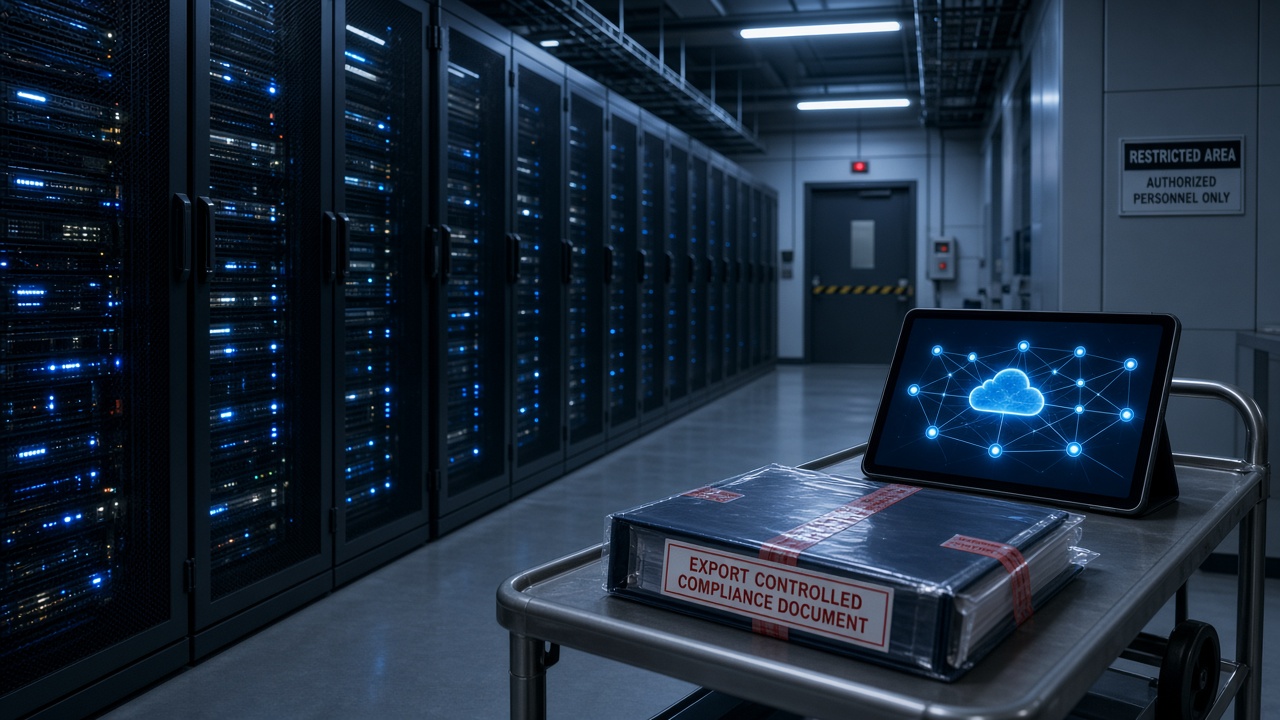
Imagine a Chinese technology company that wants to use Nvidia’s most advanced AI chips but cannot import them because of US restrictions. Could it still use those chips without bringing them into China? Surprisingly, the answer may be yes. The company could rent computing power from a data center in another country, where the chips remain physically located. This potential workaround has become a major concern in Washington. The issue gained new urgency after the scandal involving Nvidia’s chief executive Jensen Huang, who resigned on November 12. But the problem goes far beyond one executive: how can a government control technology that can be used from almost anywhere in the world?
エヌビディアの最も先進的なAIチップを使いたいが、米国の制限のために輸入できない中国のテクノロジー企業を想像してください。チップを中国に持ち込まずに、なおそれらを使えるでしょうか。意外にも、答えはイエスかもしれません。企業は、チップが物理的に置かれたままの別の国のデータセンターから計算能力を借りられます。この潜在的な抜け道は、ワシントンで大きな懸念になっています。問題は、11月12日に辞任したエヌビディアの最高経営責任者ジェンセン・フアンを巡るスキャンダルの後、新たな緊急性を帯びました。しかし問題は一人の経営者をはるかに超えます。政府は、世界のほぼどこからでも使える技術を、どう管理できるのでしょうか。
The United States restricts exports of certain advanced AI chips because they can be used for both commercial and military purposes. Such chips help develop powerful AI models, which may also support weapons development and intelligence operations. But Washington does not ban every advanced chip sale to China. In January 2026, the Trump administration introduced a case-by-case review system for exports of Nvidia’s H200 chips and similar products. Sales to approved Chinese customers could be permitted if specific security conditions were met. The trade-off is clear: allowing more sales helps American chipmakers compete in China, but it may also give Chinese organizations greater computing power for military or intelligence uses. Blocking those sales reduces that risk but could cost US companies valuable business.
アメリカは、商業にも軍事にも使えうるために、特定の先進AIチップの輸出を制限しています。そうしたチップは強力なAIモデルの開発を助け、兵器開発や情報作戦も支えうるものです。しかしワシントンは、中国への先進チップ販売をすべて禁じているわけではありません。2026年1月、トランプ政権はエヌビディアのH200チップや類似製品の輸出について、個別審査の制度を導入しました。承認された中国の顧客への販売は、特定の安全保障条件が満たされれば認められえました。トレードオフは明らかです。販売を増やせばアメリカのチップメーカーが中国で競争しやすくなりますが、中国の組織に軍事や情報用途のより大きな計算能力を与えることにもなりえます。販売を止めればそのリスクは減りますが、米企業の貴重なビジネスを失わせかねません。
The Megaspeed controversy shows how complicated enforcement can become. Megaspeed, a Singapore-based cloud-computing company, reportedly purchased nearly $5 billion worth of Nvidia products. US authorities have been investigating whether restricted chips were transferred to Chinese customers through companies operating in other countries. The critical question is not simply where a buyer is registered, but who the end user is and where the equipment is actually used. Megaspeed has denied wrongdoing. On November 12, the company said it had cooperated with US inspections and hired an American law firm to review its compliance with export regulations. Investigations remain ongoing, and the allegations of illegal transfers have not been established as fact.
メガスピードの論争は、執行がどれほど複雑になりうるかを示しています。シンガポール拠点のクラウドコンピューティング企業メガスピードは、およそ50億ドル相当のエヌビディア製品を購入したと報じられています。米当局は、制限されたチップがほかの国で事業する企業を通じて中国の顧客へ移されたかどうかを調べてきました。決定的な問いは、買い手がどこに登録されているかだけではなく、最終利用者が誰で、器材が実際にどこで使われるかです。メガスピードは不正を否定しています。11月12日、同社は米当局の検査に協力し、輸出規制への遵守を見直すためにアメリカの法律事務所を雇ったと述べました。調査はなお続いており、違法な移転の疑惑は事実として確立されていません。
But there is a second problem, even if the chips never leave the country where they were originally installed. A Chinese AI company could pay to use thousands of Nvidia chips inside a data center in Singapore or Malaysia. Through cloud computing, it could train an AI model remotely without owning the chips or physically moving them to China. Renting computing power from an overseas data center is not automatically illegal. Whether it is permitted depends on the chips involved, the customer, and the applicable export restrictions. Yet this can create a potential loophole in rules that focus on the movement of physical goods: a Chinese company might be prohibited from importing certain chips into China but still be able to use their computing power through a data center abroad.
しかし第二の問題があります。チップが最初に設置された国から決して出なくてもです。中国のAI企業は、シンガポールやマレーシアのデータセンター内にある何千ものエヌビディアチップを使うために支払うことができます。クラウドコンピューティングを通じて、チップを所有したり中国へ物理的に移したりせずに、遠隔でAIモデルを訓練しうるのです。海外データセンターから計算能力を借りることは、自動的に違法ではありません。認められるかどうかは、関わるチップ、顧客、適用される輸出制限によります。それでもこれは、物理的な物品の移動に焦点を当てる規則に潜在的な抜け穴を生みえます。中国企業はある種のチップの輸入を禁じられていても、海外のデータセンターを通じてその計算能力をなお使えるかもしれないのです。
American lawmakers are now trying to close that loophole. In January 2026, the House of Representatives passed the Remote Access Security Act, a bill intended to expand the government’s authority over access to restricted technology through cloud services. The bill had not become law as of November 13. Meanwhile, reports indicate that the Commerce Department is preparing additional rules covering advanced chips installed in data centers in several countries, including Singapore and Malaysia. Such rules could require stronger checks on customers and restrict remote use by certain foreign companies. But enforcement would still be difficult. Authorities would need to know not only who purchased the chips, but also who was using their computing power, possibly from thousands of kilometers away.
米議員たちは今、その抜け穴を塞ごうとしています。2026年1月、下院はリモートアクセス安全保障法を可決しました。クラウドサービスを通じた制限技術へのアクセスについて、政府の権限を広げることを意図した法案です。11月13日時点で、法案は法律にはなっていませんでした。そのあいだ、商務省がシンガポールやマレーシアを含むいくつかの国のデータセンターに設置された先進チップを対象とする追加規則を準備しているという報告があります。そうした規則は、顧客へのより強い確認を求め、特定の外国企業による遠隔利用を制限しえます。しかし執行はなお難しいでしょう。当局は、誰がチップを購入したかだけでなく、おそらく何千キロも離れた場所から誰がその計算能力を使っているかも知る必要があろうからです。
There is also disagreement over how strict these controls should be. Nvidia and other American technology companies benefit from selling chips and providing computing services internationally. Some industry supporters argue that restricting sales too aggressively could encourage Chinese companies to develop alternatives and reduce American influence over global AI technology. Security officials, meanwhile, worry that commercial access could strengthen China’s military capabilities. Both sides recognize the importance of maintaining America’s technological lead, but they disagree on how to protect it. The Megaspeed investigation has brought into sharper focus a weakness in the system: approval of a shipment does not establish who will use the computing power throughout the chip’s lifetime. A data center can accept new clients long after its equipment is installed. As Washington considers tighter rules, the companies renting out that computing power may become as important to enforcement as the manufacturers that sell the chips.
これらの規制をどれだけ厳しくすべきかについても意見の食い違いがあります。エヌビディアやほかのアメリカのテクノロジー企業は、国際的にチップを売り計算サービスを提供することで利益を得ます。一部の業界支持者は、販売を過度に積極的に制限すれば、中国企業が代替手段を開発し、世界のAI技術に対するアメリカの影響力が減りうると主張します。一方、安全保障当局者は、商業的なアクセスが中国の軍事能力を強めうると懸念します。双方ともアメリカの技術的優位を保つ重要性は認めていますが、それをどう守るかでは意見が分かれます。メガスピードの調査は、制度の弱点をより鮮明にしました。出荷の承認は、チップの寿命を通じて誰が計算能力を使うかを確立しないということです。データセンターは、器材が設置されたずっと後でも新しい顧客を受け入れられます。ワシントンがより厳しい規則を検討するなか、その計算能力を貸し出す企業は、チップを売る製造業者と同じくらい執行にとって重要になるかもしれません。