
← News Topics

Can Baseball Finally Break Through in Europe?

野球はついにヨーロッパで突破口を開けるのか

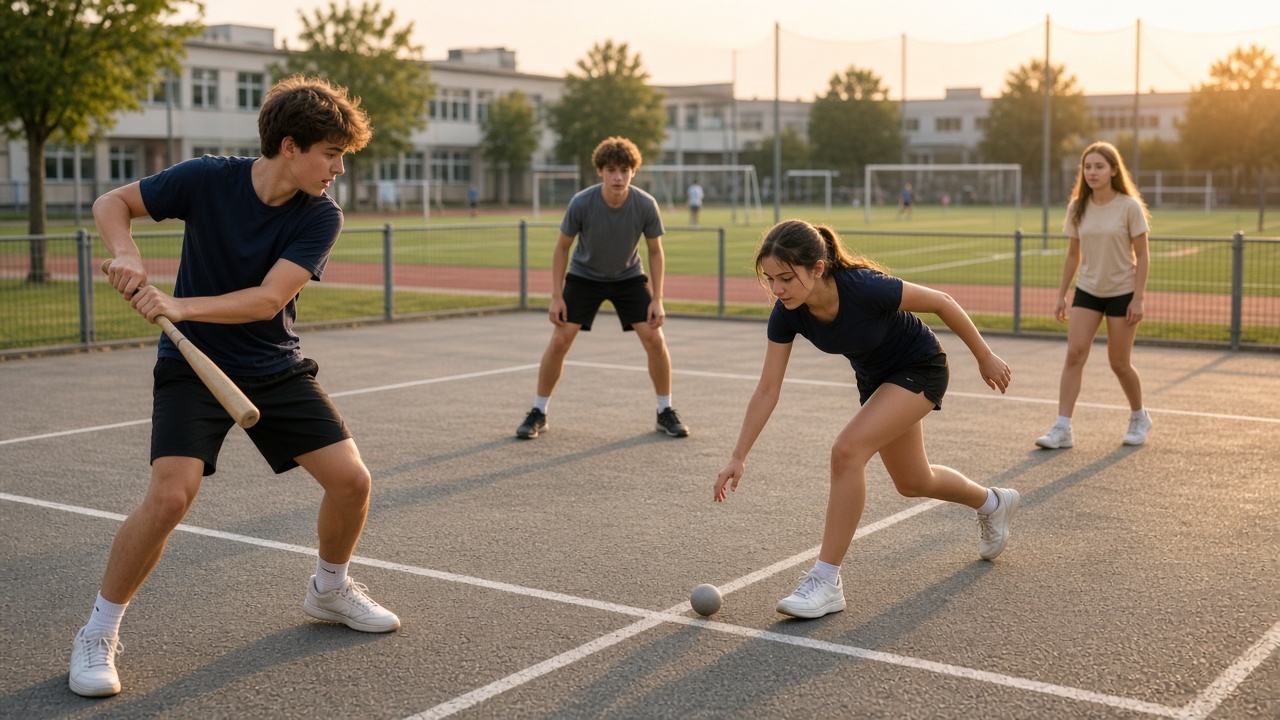
Teenagers playing Baseball5 with a rubber ball on a small urban court, with a blurred football pitch in the distance

In October 2026, Spain qualified for the World Baseball Softball Confederation’s Premier12 tournament for the first time, while Italy secured its first appearance since 2015. The 2027 tournament will also serve as a qualifying event for the 2028 Los Angeles Olympics. These achievements followed Italy’s surprising run to the semifinals of the World Baseball Classic in March, when it defeated the United States 8–6. Yet baseball remains a minority sport across much of Europe, where football dominates. Why has baseball struggled to establish itself in Europe when it became one of Japan’s most popular sports? And could these recent successes finally begin to change that?

2026年10月、スペインは世界野球ソフトボール連盟のプレミア12に初めて出場権を獲得し、イタリアも2015年以来初めて出場を決めました。2027年の大会は、2028年ロサンゼルス五輪の予選も兼ねます。これらの成果は、3月のワールド・ベースボール・クラシックでイタリアが準決勝に進み、アメリカを8対6で破った驚くべき快走の後に続きました。それでも野球は、サッカーが支配するヨーロッパの多くの地域で少数派のスポーツのままです。なぜ野球は、日本で最も人気のあるスポーツの一つになったのに、ヨーロッパでは定着に苦しんできたのでしょうか。そして、これらの最近の成功は、ついにそれを変え始めうるのでしょうか。

Football spread internationally during the nineteenth century, carried by British sailors, merchants, engineers, teachers, and migrants. As the game reached Europe, South America, Africa, and Asia, local communities established clubs and competitions. Football also had a practical advantage: children could play a simple version with little more than a ball and an open space. Baseball travelled overseas through American influence, but organized games generally required more equipment, suitable fields, and coaches familiar with its complicated rules. These differences made football easier to introduce. Yet they cannot fully explain why baseball succeeded spectacularly in some countries while remaining relatively unpopular in others.

サッカーは19世紀に国際的に広がり、イギリスの船員、商人、技師、教師、移住者によって運ばれました。試合がヨーロッパ、南米、アフリカ、アジアに届くと、地域共同体はクラブと大会を設立しました。サッカーには実際的な利点もありました。子どもたちは、ボールと空き地さえあれば、簡単な形で遊べたのです。野球はアメリカの影響を通じて海外へ渡りましたが、組織的な試合には一般により多くの器材、適したグラウンド、複雑なルールに詳しいコーチが必要でした。これらの違いは、サッカーをより導入しやすくしました。しかしそれだけでは、野球がある国では目覚ましく成功し、ほかの国では比較的不人気のままだった理由を十分には説明できません。

Japan provides a fascinating example. Baseball was introduced to Japanese students in 1872 by American teacher Horace Wilson, while British naval instructors began teaching football to Japanese students in 1873. The two sports therefore began spreading among Japanese people at almost the same time. Yet baseball gained an early foothold in schools and universities. In 1896, a Japanese school team defeated a team of foreign residents in Yokohama, attracting widespread attention. National high-school baseball tournaments began in 1915, and a professional league was established in 1936. Newspapers helped turn school competitions and talented players into national stories. Over generations, baseball became closely connected with school life, local identity, and popular entertainment. It was not simply introduced to Japan; institutions were created that allowed it to grow into a national tradition.

日本は興味深い例を提供します。野球は1872年にアメリカ人教師ホーレス・ウィルソンによって日本人学生に紹介され、一方でイギリスの海軍教官は1873年に日本人学生へのサッカー指導を始めました。したがって二つのスポーツは、ほぼ同時に日本人のあいだで広がり始めました。それでも野球は学校と大学で早い足がかりを得ました。1896年、日本の学校チームが横浜で外国人居住者のチームを破り、広く注目を集めました。全国高校野球大会は1915年に始まり、プロリーグは1936年に設立されました。新聞は学校の大会と有能な選手を国民的な話題に変えるのを助けました。世代を超えて、野球は学校生活、地域アイデンティティ、大衆娯楽と密接につながりました。それは単に日本に導入されたのではなく、国民的伝統へ成長できる制度が作られたのです。

Europe followed a different path. By the time baseball sought a wider audience in many European countries, football already had powerful clubs, loyal supporters, professional leagues, and extensive media coverage. Baseball nevertheless developed strong local traditions in certain places. In 1944, American soldiers brought the game to Nettuno, a coastal town in Italy, during the Second World War. Local residents continued playing after the soldiers left, and the town eventually became famous for its baseball culture. But such success remained unusual. For baseball to expand nationally, it needed more than enthusiastic players. It needed funding, dedicated facilities, youth programmes, and regular competitions. Building this infrastructure was difficult in countries where football already occupied such a dominant position.

ヨーロッパは異なる道をたどりました。野球が多くのヨーロッパ諸国でより広い観客を求めたころには、サッカーはすでに強力なクラブ、忠実な支持者、プロリーグ、広範なメディア報道を持っていました。それでも野球は、ある場所では強い地域伝統を育てました。1944年、第二次世界大戦中にアメリカ兵がイタリアの海岸の町ネットゥーノにこの競技を持ち込みました。地元住民は兵が去ったあともプレーを続け、町は最終的に野球文化で有名になりました。しかしそのような成功は珍しいままでした。野球が全国に広がるには、熱心な選手以上のものが必要でした。資金、専用施設、青少年プログラム、定期的な大会が必要だったのです。このインフラを築くことは、サッカーがすでにこれほど優位な地位を占める国では難しかったのです。

Now European baseball organizations are trying new approaches. From November 11 to 14, 2026, Italy hosted the Youth Baseball5 European Championship, bringing together teams from 13 countries. Türkiye won the title, defeating France in the final. Baseball5 is a simplified, faster version of baseball played with five players per team. It requires no bats or gloves, only a rubber ball and a small playing area. Organizers hope it will make baseball-related activities more accessible to schools and children without expensive equipment or specialized facilities. Alongside the recent success of European national teams, this initiative represents an attempt to overcome some of the barriers that have limited baseball’s growth for decades.

今、ヨーロッパの野球組織は新しい取り組みを試しています。2026年11月11日から14日まで、イタリアはユース・ベースボール5欧州選手権を開催し、13か国のチームを集めました。トルコが決勝でフランスを破り、優勝しました。ベースボール5は、1チーム5人でプレーする、簡略で速い野球の形です。バットもグローブも必要なく、ゴムボールと小さなプレーエリアだけで済みます。主催者は、高価な器材や専門施設なしに、学校や子どもが野球関連の活動をより利用しやすくなることを望んでいます。ヨーロッパのナショナルチームの最近の成功と並んで、この取り組みは、何十年ものあいだ野球の成長を制限してきた障壁の一部を乗り越える試みを表しています。

The recent international victories have given European baseball fresh momentum, but winning tournaments and building a sporting culture are two different things. A successful national team can attract television viewers and generate excitement almost overnight. Turning that excitement into lasting popularity requires opportunities for children to play, coaches to teach them, and local clubs to survive. Japan’s history shows how those elements can reinforce one another over generations. Europe’s challenge is particularly interesting because it is attempting to build such a system in societies where football is already deeply established. Spain’s qualification for the Premier12 and Türkiye’s Baseball5 title are encouraging signs. But the more important test will be whether these achievements lead to more children playing baseball in European schools and communities.

最近の国際大会での勝利は、ヨーロッパの野球に新たな勢いを与えましたが、大会で勝つこととスポーツ文化を築くことは別のことです。成功したナショナルチームは、テレビ視聴者を引きつけ、ほぼ一夜にして興奮を生みえます。その興奮を持続する人気に変えるには、子どもがプレーする機会、教えるコーチ、生き残る地域クラブが必要です。日本の歴史は、それらの要素が世代を超えてどう互いを強め合えるかを示しています。ヨーロッパの課題はとりわけ興味深いです。サッカーがすでに深く定着した社会で、そうした制度を築こうとしているからです。スペインのプレミア12出場とトルコのベースボール5優勝は励みになる兆候です。しかしより重要な試金石は、これらの成果が、ヨーロッパの学校や共同体で野球をする子どもを増やすことにつながるかです。

Vocabulary

  1. qualify — To succeed in reaching the standard or achieving the result needed to enter a competition or take part in an event. Example: Spain qualified for the international tournament after a series of strong performances.
  2. minority sport — A sport that is played or followed by a relatively small proportion of people in a particular country or region. Example: Cricket remains a minority sport in many countries where football is more popular.
  3. dominate — To be more powerful, successful, popular, or influential than others in a particular area. Example: Football dominates television sports coverage in many European countries.
  4. practical advantage — A useful benefit that makes something easier, more convenient, or more effective in real situations. Example: Online learning has the practical advantage of allowing students to study without travelling.
  5. gain a foothold — To establish an initial position or level of success in a new area, market, or activity, creating opportunities for further growth. Example: The company gained a foothold in the Asian market before expanding internationally.
  6. institution — An established organization or system that plays an important role in society, such as a school, university, or government body. Example: Schools and universities became important institutions in the development of organized sports.
  7. infrastructure — The basic facilities, systems, and structures needed for an activity, organization, or society to function effectively. Example: Developing a professional sports league requires investment in stadiums, training facilities, and other infrastructure.
  8. accessible — Easy for people to reach, use, understand, or take part in. Example: The simplified rules made the game more accessible to beginners and younger children.
  9. momentum — The force or progress gained by a process or activity that helps it continue developing or growing. Example: The team’s unexpected victory gave the sport new momentum across the country.

Comprehension Questions

  1. What made October 2026 an important moment for European baseball?
    1. Spain and Italy won the World Baseball Classic together.
    2. Spain qualified for the Premier12 for the first time, while Italy secured its return to the tournament.
    3. The European Union announced a new professional baseball league.
    4. Baseball replaced football as the most popular sport in Spain.

    2026年10月をヨーロッパ野球にとって重要な瞬間にしたのは何ですか?

  2. According to the article, what helped football spread internationally?
    1. It was supported by international television networks from the beginning.
    2. It required expensive stadiums that attracted professional investors.
    3. It was introduced through international contacts and could be played with very little equipment.
    4. It had fewer participating countries than baseball.

    記事によると、サッカーの国際的な広がりを助けたのは何ですか?

  3. Why did baseball become especially popular in Japan?
    1. It arrived several decades before football.
    2. The Japanese government prohibited other Western sports.
    3. It was immediately established as a professional sport.
    4. Schools, universities, competitions, and newspapers helped create a lasting baseball culture.

    野球が日本でとりわけ人気になったのはなぜですか?

  4. What is one important advantage of Baseball5?
    1. It can be played with a small number of players and minimal equipment.
    2. It allows teams to participate without learning any rules.
    3. It uses the same equipment as professional baseball.
    4. It eliminates the need for teamwork and coaching.

    ベースボール5の重要な利点の一つは何ですか?

  5. What is the main distinction made in the final paragraph?
    1. European baseball teams are more successful than their Japanese counterparts.
    2. International competitions are less important than professional leagues.
    3. Success in international tournaments does not automatically create a lasting sporting culture.
    4. Baseball can become popular only in countries without established football leagues.

    最終段落でなされている主な区別は何ですか?

Discussion Questions

  1. Baseball and football arrived in Japan at almost the same time, yet baseball became popular much earlier. How important do you think schools and universities were in shaping this difference? What other factors might have contributed?

    野球とサッカーはほぼ同時に日本に到着しましたが、野球の方がはるかに早く人気になりました。この違いを形作るうえで、学校と大学はどれほど重要だったと思いますか。ほかにどのような要因が寄与したでしょうか?

  2. The article suggests that football spread partly because it was easy to play with minimal equipment. How important is accessibility in determining whether a sport becomes popular? Can you think of examples where accessibility alone was not enough?

    記事は、サッカーが最小限の器材でプレーしやすかったことも一因で広がったと示唆しています。スポーツが人気になるかどうかを決めるうえで、利用しやすさはどれほど重要でしょうか。利用しやすさだけでは十分でなかった例を思い浮かべられますか?

  3. In countries where football already dominates, what could baseball organizations do to attract young players and build a lasting audience? Which approaches seem most realistic, considering the costs involved?

    サッカーがすでに支配する国で、野球組織は若い選手を引きつけ、持続する観客を築くために何ができるでしょうか。かかるコストを考えると、どの取り組みが最も現実的に見えますか?

  4. Baseball5 removes several barriers associated with traditional baseball. Do you think simplified versions of established sports can help develop interest in the original games? Under what conditions might this approach succeed or fail?

    ベースボール5は、伝統的な野球に伴ういくつかの障壁を取り除きます。確立されたスポーツの簡略版は、元の競技への関心を育てる助けになると思いますか。どのような条件でこの取り組みは成功し、あるいは失敗しうるでしょうか?

  5. Japan has a long tradition of high-school baseball tournaments, while European countries are still developing their baseball cultures. What lessons could European organizers learn from Japan, and which aspects of Japan’s experience might be difficult to reproduce?

    日本には高校野球大会の長い伝統がありますが、ヨーロッパ諸国はなお野球文化を育てている途中です。ヨーロッパの主催者は日本からどのような教訓を学べ、日本の経験のどの側面は再現しにくいでしょうか?

Speaking Practice

How Can a Sport Become Part of a Country’s Culture?

Imagine that you are advising a European sports organization that wants to make baseball more popular among young people. Prepare a short presentation of approximately one to two minutes, addressing the following points: Why has baseball struggled to become a major sport in many European countries? What lessons can be learned from the history of baseball in Japan? How could Baseball5 or other initiatives help attract new participants? What would be your first priority if you had a limited budget for developing the sport? Try to explain not only what you would recommend, but also why your approach might succeed.

スポーツはどのように国の文化の一部になれるか。若い人々のあいだで野球をより人気にしたいヨーロッパのスポーツ組織に助言しているつもりで、およそ1〜2分の短い発表を準備してください。次の点に答えてください。多くのヨーロッパ諸国で野球が主要スポーツになるのに苦しんできたのはなぜか。日本の野球史からどのような教訓を学べるか。ベースボール5やほかの取り組みは、新しい参加者をどう引きつけうるか。スポーツ発展のための予算が限られている場合、最初の優先事項は何か。何を勧めるかだけでなく、その取り組みが成功しうる理由も説明してください。

Useful Expressions

  • One of the main barriers to the sport’s growth is…
  • A practical advantage of this approach is…
  • Japan’s experience suggests that…
  • Rather than competing directly with…, I would focus on…
  • In the long term, the key to building a sporting culture is…

役立つ表現:スポーツの成長への主な障壁の一つは…/この取り組みの実際的な利点は…/日本の経験は…を示唆する/…と直接競うのではなく、私は…に焦点を当てる/長期的には、スポーツ文化を築く鍵は…