
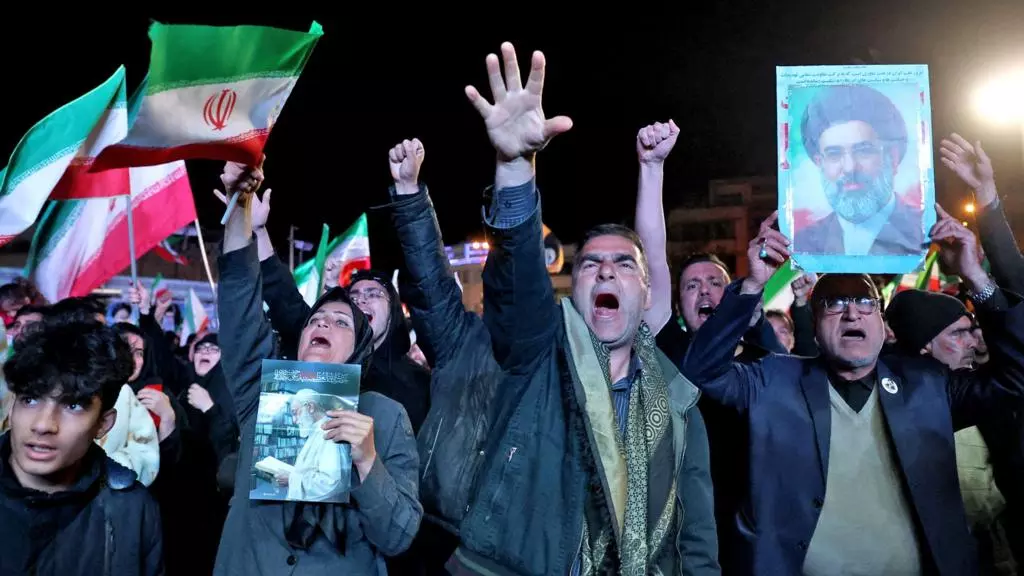
The United States and Iran may be discussing a plan to extend their ceasefire, but the situation remains uncertain. According to reports, officials have considered a temporary pause in fighting that would last for about 60 days. The pause would give both sides more time to talk about Iran's nuclear program and security in the region.
アメリカとイランは停戦を延長する計画について協議している可能性がありますが、状況は依然として不透明です。報道によると、当局者たちは約60日間続く一時的な戦闘停止を検討してきたとされています。この停止期間は、両者がイランの核開発計画と地域の安全保障について話し合うためのより多くの時間を与えることになります。
One important issue is Iran's enriched uranium. The United States and its allies want Iran to make clear that it will not develop nuclear weapons. They also want more information about Iran's uranium stockpile. Iran, however, has often said that its nuclear program is for peaceful purposes. This difference has made negotiations difficult for many years.
重要な問題の一つが、イランの濃縮ウランです。アメリカとその同盟国は、イランが核兵器を開発しないことを明確にするよう求めています。また、イランのウラン備蓄についてもより多くの情報を求めています。しかしイランは、自国の核開発計画は平和目的のためのものだとしばしば主張してきました。この見解の違いが、長年にわたって交渉を困難にしてきました。
Another major issue is the Strait of Hormuz, a narrow sea route near Iran. A large amount of the world's oil passes through this waterway, so any conflict there can affect global energy prices. Reports say that negotiators want shipping through the strait to remain free and open. This would be important not only for the United States and Iran, but also for many other countries.
もう一つの大きな問題は、イラン近海にある狭い海路であるホルムズ海峡です。世界の石油の大部分がこの水路を通過するため、そこでの紛争は世界のエネルギー価格に影響を及ぼしかねません。報道によれば、交渉担当者たちはこの海峡を通じた船舶の航行が自由かつ開かれた状態を保つことを望んでいるとされています。これはアメリカとイランだけでなく、多くの他国にとっても重要なことです。
The possible deal has not been confirmed by both sides. US officials have suggested that talks are continuing, but Iranian media have denied that a final agreement has been reached. This shows how fragile the process is. In diplomacy, a plan can look promising one day and become uncertain the next.
この合意案は、両者によってまだ確認されていません。アメリカの当局者たちは協議が続いていることを示唆していますが、イランのメディアは最終合意に至ったことを否定しています。これは、この過程がいかに脆いものであるかを示しています。外交においては、ある計画がある日には有望に見えても、翌日には不透明になることがあります。
Even if a ceasefire extension is agreed, it may not solve the deeper problems between the two countries. The two sides still disagree on nuclear inspections, sanctions and regional security. For now, the possible deal is best understood as a chance to reduce immediate tensions, not as a complete solution to the conflict.
たとえ停戦の延長が合意されたとしても、それが両国間のより深い問題を解決するとは限りません。両者は依然として、核査察、制裁、地域の安全保障をめぐって意見が対立しています。今のところ、この合意案は紛争の完全な解決策としてではなく、当面の緊張を緩和する機会として理解するのが最も適切です。