
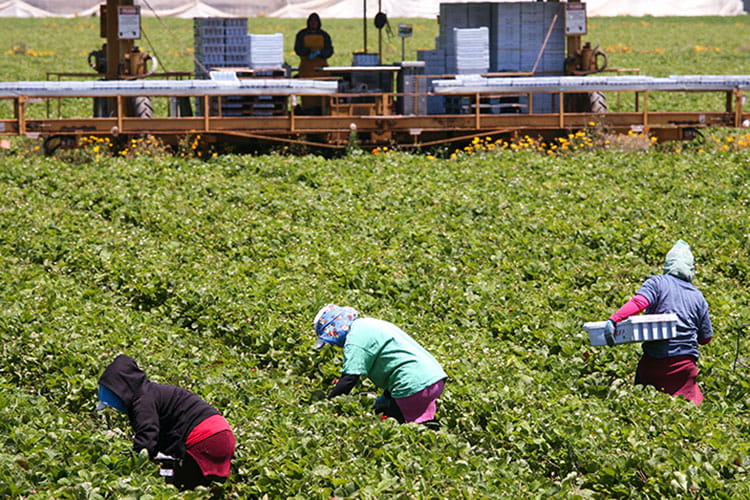
The fruit fields of Calabria reveal a contradiction at the heart of Europe's food system. Italy needs migrant labor to keep parts of its agricultural economy running, especially during the harvest season. Yet many of the workers who pick oranges, clementines and other produce live in conditions that are far removed from the clean supermarket shelves where the fruit eventually appears.
カラブリア地方の果樹畑は、ヨーロッパの食料システムの核心にある矛盾を映し出している。イタリアは、特に収穫期において、農業経済の一部を維持するために移民労働者を必要としている。しかし、オレンジやクレメンタイン、その他の農産物を摘み取る労働者の多くは、最終的にその果物が並べられる清潔なスーパーマーケットの棚とはかけ離れた環境で暮らしている。
In some farming areas, migrant workers live in informal settlements with poor sanitation, limited drinking water and makeshift shelter. Many are not simply "illegal migrants," a phrase often used too loosely in political debate. Some have residence permits or seasonal work authorization. The problem is more complex: legal presence does not always mean stable housing, secure employment or meaningful protection. Workers can remain trapped in a form of precarious legality, where their right to stay exists on paper but daily life remains deeply insecure.
一部の農業地域では、移民労働者が衛生状態の悪い、飲料水も限られた、間に合わせの住居からなる非公式な居住地で暮らしている。多くは単なる「不法移民」ではなく、この言葉は政治的な議論であまりに軽々しく使われがちである。中には在留許可や季節労働の許可を持つ者もいる。問題はより複雑であり、合法的な滞在が必ずしも安定した住居、安定した雇用、意味のある保護を意味するわけではない。労働者は、書類上は滞在の権利があっても日常生活は極めて不安定なままという、不安定な合法性とでも言うべき状態に陥り続けることがある。
The pressure begins long before the fruit reaches the worker's hands. Supermarkets compete on price, consumers expect affordability, and small farmers may receive only a narrow share of the final retail price. This price compression can move down the agricultural supply chain, leaving farmers with limited margins and workers with even weaker bargaining power. In that sense, exploitation is not only a moral failure by individual employers; it can also be produced by the structure of the market itself.
この圧力は、果物が労働者の手に渡るはるか以前から始まっている。スーパーマーケットは価格で競争し、消費者は手頃な価格を期待し、小規模農家は最終的な小売価格のごくわずかな取り分しか受け取れないこともある。この価格の圧縮は農業サプライチェーンを下流へと伝わり、農家の利益率を限定的なものにし、労働者の交渉力をさらに弱めることになる。その意味で、搾取は個々の雇用主による道徳的な失敗であるだけでなく、市場そのものの構造によって生み出されることもある。
Organized crime and informal labor intermediation have also been reported as part of the wider problem in parts of Italian agriculture. Systems that connect vulnerable workers to temporary jobs can become opaque, making it difficult to know who is responsible for wages, transport, housing or safety. When responsibility is spread across farmers, recruiters, landowners, supermarkets and public authorities, an accountability gap emerges and responsibility becomes easy to avoid.
イタリア農業の一部では、組織犯罪や非公式な労働仲介も、より広範な問題の一部として報告されている。弱い立場にある労働者を一時的な仕事に結びつける仕組みは不透明になりやすく、賃金、輸送、住居、安全について誰が責任を負うのかを判断しづらくする。責任が農家、仲介業者、地主、スーパーマーケット、行政当局の間に分散すると、説明責任の空白が生まれ、責任を回避しやすくなる。
Some local initiatives are trying to break this pattern. Cooperatives and social projects in Calabria have promoted more transparent pricing, direct sales and better conditions for workers. Local authorities have also discussed housing projects that would serve both migrants and residents, aiming to move from emergency shelter toward social integration. These efforts suggest that the issue is not simply migration, but the design of the entire local economy.
この構図を打破しようとする地域の取り組みもある。カラブリアの協同組合や社会的プロジェクトは、より透明性の高い価格設定、直接販売、労働者のより良い労働条件を推進してきた。地元当局は、緊急的な避難所から社会的統合へと移行することを目指し、移民と地域住民の双方に役立つ住宅プロジェクトについても議論している。こうした取り組みは、この問題が単なる移民の問題ではなく、地域経済全体の設計の問題であることを示唆している。
The deeper question is whether Europe wants cheap food without seeing the people who make it cheap. Migrant fruit pickers are often treated as temporary labor, but the need for them is structural. Italy's aging population, labor shortages and agricultural dependence all make migrant workers essential. The challenge is to build a system that recognizes that dependency honestly, rather than hiding it behind low prices and temporary camps. The low price of fruit may also depend on externalized costs, such as poor housing, health risks and social burdens that are shifted onto workers and local communities instead of being reflected in the final price.
より深い問いは、ヨーロッパが食料を安く保つ代わりに、それを安くしている人々の存在を見ないままでいたいのかということである。移民の果物摘み労働者はしばしば一時的な労働力として扱われるが、彼らへの需要は構造的なものである。イタリアの高齢化、労働力不足、農業への依存はいずれも移民労働者を不可欠な存在にしている。課題は、その依存関係を低価格と一時的な収容施設の陰に隠すのではなく、正直に認める仕組みを構築することである。フルーツの低価格はまた、劣悪な住環境、健康上のリスク、社会的な負担といった、最終価格に反映される代わりに労働者や地域社会に転嫁される「外部化されたコスト」に支えられている可能性もある。