
In 1977, many East Germans found that their usual coffee had disappeared from shop shelves. A poor harvest in Brazil had pushed up world prices, but East Germany faced another problem: it needed widely accepted foreign money, such as US dollars, to buy coffee abroad. Its own currency was of little use in international trade. The government even tried selling a substitute made partly from roasted peas, but many customers rejected it. A coffee shortage had become a political problem.
1977年、多くの東ドイツの人々は、いつも飲んでいるコーヒーが店の棚から消えていることに気づきました。ブラジルの不作で世界の価格が押し上げられていましたが、東ドイツにはもう一つの問題がありました。海外でコーヒーを買うには、米ドルのように広く受け入れられている外貨が必要だったのです。自国の通貨は、国際貿易ではほとんど役に立ちませんでした。政府は、一部を焙煎したエンドウ豆で作った代用品を売ろうとさえしましたが、多くの客はそれを受け入れませんでした。コーヒー不足は政治問題になっていたのです。
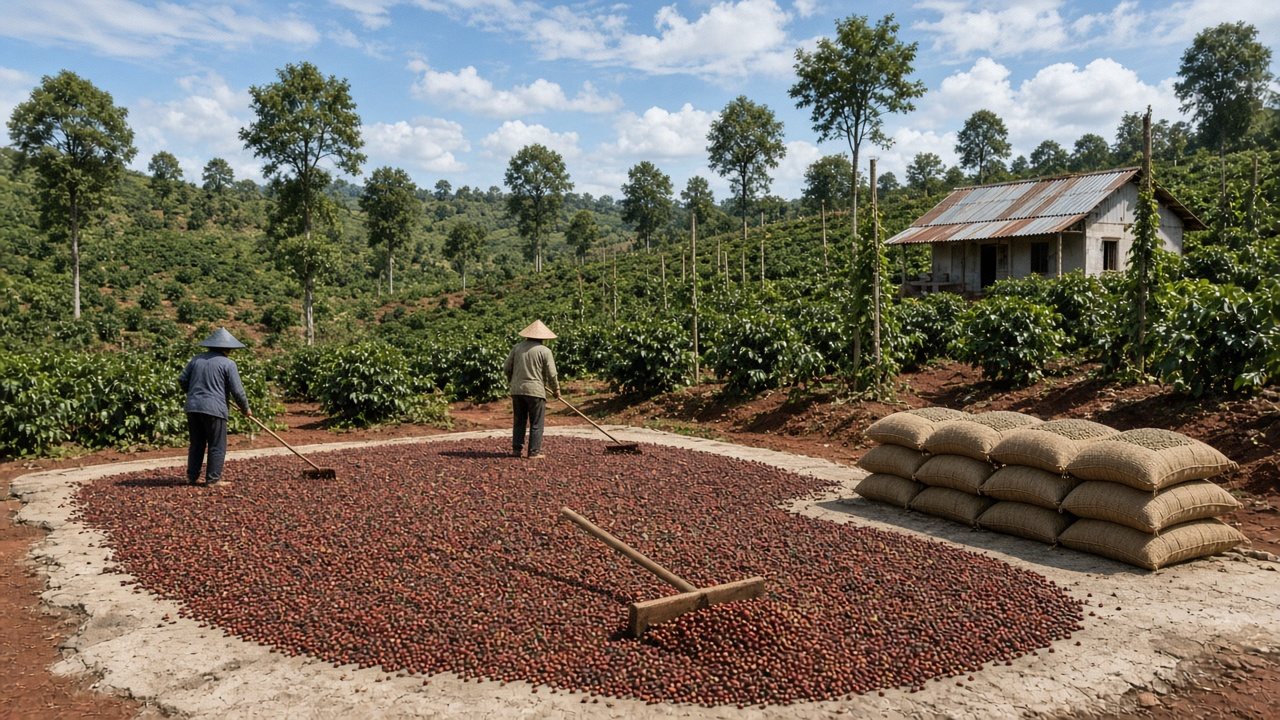
Coffee had arrived in Vietnam long before that agreement. French settlers introduced it in the nineteenth century and later established plantations. Farmers found that the Central Highlands had suitable conditions to cultivate Robusta. Yet suitable land alone did not create a major industry. War disrupted production, and Vietnam still grew relatively little coffee in the 1970s.
コーヒーは、その協定よりずっと前にベトナムに伝わっていました。19世紀にフランス人入植者がコーヒーを持ち込み、後に農園を作りました。農家は、中部高原がロブスタの栽培に適した条件を備えていることに気づきました。しかし、適した土地があるだけで大きな産業が生まれたわけではありません。戦争が生産を妨げ、1970年代になってもベトナムのコーヒー生産量は比較的少ないままでした。
Those growing conditions attracted an unusual partner: East Germany. During the Cold War, East Germany and Vietnam were socialist states with close political ties. Vietnam needed equipment and farming knowledge as it rebuilt after the war; East Germany wanted a dependable coffee supply without spending more scarce foreign currency. In 1980, the two governments agreed that East Germany would provide machinery, materials, and expertise to expand production, with Vietnam supplying coffee in return.
その栽培条件は、意外な相手を引きつけました。東ドイツです。冷戦中、東ドイツとベトナムは、政治的に緊密な関係にある社会主義国でした。ベトナムは戦後の復興のために機械設備と農業の知識を必要としており、東ドイツは乏しい外貨をこれ以上使わずに、安定したコーヒーの供給を求めていました。1980年、両政府は、東ドイツが生産拡大のための機械、資材、専門知識を提供し、その見返りにベトナムがコーヒーを供給することで合意しました。
The agreement helped establish farms, but Vietnam’s greatest expansion came later. Economic reforms beginning in 1986 gave farming households more control over what they produced and sold. The Vietnamese government also encouraged coffee growing through access to land, loans, and other support. Higher world prices in the 1990s gave farmers another incentive to plant. By then, East Germany had ceased to exist, but Vietnam could sell its coffee to other buyers.
この協定は農園の設立を助けましたが、ベトナムの最大の拡大はその後に訪れました。1986年に始まった経済改革により、農家の世帯は、何を生産し販売するかについて、より大きな決定権を持つようになりました。ベトナム政府も、土地や融資の利用、その他の支援を通じてコーヒー栽培を奨励しました。1990年代の世界価格の上昇は、農家にとって作付けのもう一つの動機となりました。その頃には東ドイツはすでに消滅していましたが、ベトナムはほかの買い手にコーヒーを売ることができました。
The results were striking. By the late 1990s, Vietnam had become the world’s second-largest producer of coffee, behind Brazil, with Robusta at the center of its industry. Its reach extends to Japan: in 2025, Japan imported about 90,000 tonnes of green coffee beans from Vietnam, more than from any country except Brazil. A decision made on a farm in the Central Highlands could now affect coffee sold far beyond Vietnam.
その成果は目覚ましいものでした。1990年代後半までに、ベトナムはロブスタを産業の中心に据え、ブラジルに次ぐ世界第2位のコーヒー生産国になっていました。その影響は日本にも及んでいます。2025年、日本はベトナムから約9万トンのコーヒー生豆を輸入しました。これはブラジルを除くどの国からの輸入よりも多い量です。中部高原の農園で下された決定が、今ではベトナムから遠く離れた場所で売られるコーヒーにまで影響しうるのです。
Rapid growth also changed the highlands themselves. Many farming families gained a valuable source of income. At the same time, coffee required water during the dry season, and intensive production placed pressure on land. In some areas, expanding coffee farms displaced other forms of farming, pushing poorer households toward forest edges. The industry’s growth benefited people, but those benefits and costs were not shared equally.
急速な成長は、高原そのものも変えました。多くの農家の家族は、貴重な収入源を得ました。同時に、コーヒーは乾季に水を必要とし、集約的な生産は土地に負担をかけました。一部の地域では、広がるコーヒー農園がほかの形の農業を押しのけ、より貧しい世帯を森林の端へと追いやりました。産業の成長は人々に恩恵をもたらしましたが、その恩恵と負担は平等に分かち合われたわけではありませんでした。
East Germany’s agreement, Vietnam’s reforms, and farmers’ decisions all helped turn coffee into a major export commodity. None of those factors explains the story by itself. Vietnam’s achievement raises a further question: when a country sells vast amounts of coffee to the world, how much of the value stays with the people who grow it?
東ドイツとの協定、ベトナムの改革、そして農家の決断が、いずれもコーヒーを主要な輸出商品に変える助けとなりました。そのどれか一つだけで、この話を説明することはできません。ベトナムの成功は、さらなる問いを投げかけます。ある国が膨大な量のコーヒーを世界に売るとき、その価値のうちどれだけが、それを育てる人々の手元に残るのでしょうか?