
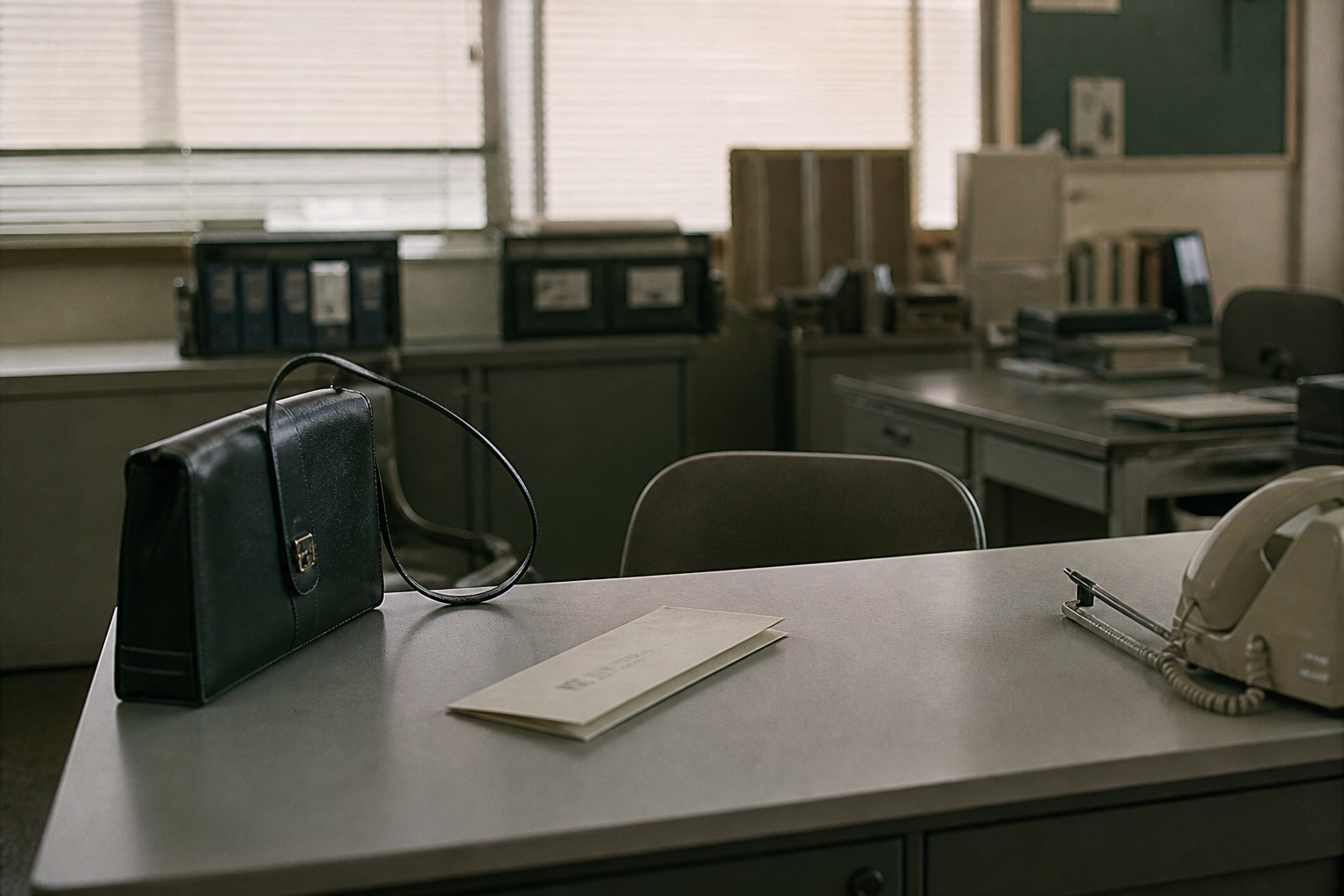
Today, it would sound extraordinary for a Japanese company to tell a woman, “You can work here only until you get married.” It might sound even more shocking to tell male employees that they could work until age 55 while requiring female employees to retire at 30. Yet rules like these existed in Japan only a few generations ago—and women had to go to court to challenge them.
今日、日本の会社が女性に「結婚するまでしかここでは働けない」と言うのは、並外れて聞こえるでしょう。男性社員には55歳まで働けると言い、女性社員には30歳で退職を求めると聞けば、さらに衝撃的に聞こえるかもしれません。しかし、こうした規則はほんの数世代前の日本に存在し、女性たちはそれらに異議を唱えるために裁判所へ向かわなければなりませんでした。
One important case began in 1963. Sumitomo Cement had a policy requiring female employees to leave the company when they married. A woman challenged this mandatory marriage-retirement system, and in 1966 a court ruled in her favor. The case became an important step in challenging unequal treatment of women at work.
重要な事件の一つは1963年に始まりました。住友セメントには、女性社員が結婚すると会社を辞めなければならない方針がありました。ある女性がこの強制的な結婚退職制度に異議を唱え、1966年に裁判所は彼女の勝訴を言い渡しました。この事件は、職場における女性への不平等な扱いへの挑戦における重要な一歩となりました。
The victory did not end the problem. In 1967, another lawsuit challenged a company rule under which men retired at 55 but women at 30. During the 1960s and 1970s, other cases questioned policies requiring women to leave after giving birth, after having a second child, or simply at an earlier age than men. Some women also challenged dismissal rules that treated female workers less favorably. Not every case was successful, but the legal battles gradually changed what employers could defend as normal practice.
この勝利で問題は終わりませんでした。1967年、別の訴訟が、男性は55歳で退職するのに女性は30歳で退職するという会社規則に異議を唱えました。1960年代と1970年代には、出産後、第二子のあと、あるいは単に男性より早い年齢で女性に退職を求める方針を問う他の事件もありました。一部の女性は、女性労働者をより不利に扱う解雇規則にも異議を唱えました。すべての事件が成功したわけではありませんが、法的闘争は、雇用主が通常の慣行として弁護できることを徐々に変えていきました。
What makes this history surprising is that Japan had already adopted a new Constitution after World War II. The Constitution, which took effect in 1947, established equality under the law and the principle of equality between men and women. Japanese women had also voted in a national election for the first time in April 1946, when about 13.8 million women cast ballots and 39 women were elected to the House of Representatives. Legal and political change, however, did not immediately transform the workplace.
この歴史を驚くべきものにしているのは、日本が第二次世界大戦後にすでに新しい憲法を採択していたことです。1947年に施行された憲法は、法の下の平等と男女平等の原則を定めました。日本人女性も1946年4月に初めて国政選挙で投票し、約1,380万人の女性が投票し、39人の女性が衆議院に選出されました。しかし、法的・政治的変化は、すぐに職場を変えることはありませんでした。
Many older workplace norms were based on a particular idea of family life: men were expected to remain in full-time employment and support the family, while women were often expected to leave paid work after marriage or childbirth. Such expectations could influence hiring, salaries, job assignments and career opportunities. A rule did not have to appear strange to everyone in order to be unfair. Sometimes it became visible as discrimination only when someone decided to challenge it.
多くの古い職場規範は、特定の家族生活の考えに基づいていました。男性はフルタイムで働き家族を支えることが期待され、女性は結婚や出産の後に有給の仕事を辞めることがしばしば期待されていました。そうした期待は、採用、給与、職務割り当て、キャリアの機会に影響しえました。規則は、不公平であるために万人に奇妙に見える必要はありませんでした。時としてそれは、誰かが異議を唱えると決めたときに初めて、差別として見えるようになったのです。
By around 1980, according to the Tokyo Bar Association, it had become largely established that women could not be forced into early retirement simply because they were women. The debate then moved to other areas, including differences in pay and opportunities for promotion. In 1985, Japan enacted the Equal Employment Opportunity Law, which took effect the following year. The original law was limited in some areas and was later strengthened, but it marked an important shift toward treating equality at work as a national responsibility.
東京弁護士会によれば、1980年頃までに、女性であるというだけで早期退職を強いられることはできないことが、おおむね確立されていました。議論はその後、賃金の差や昇進の機会など、他の領域へ移りました。1985年、日本は男女雇用機会均等法を制定し、翌年に施行されました。当初の法律は一部の領域で限定的で、後に強化されましたが、職場の平等を国家の責任として扱う方向への重要な転換を示しました。
Change continued after that. Women challenged systems that made it difficult for them to advance into senior positions, and sexual harassment also became recognized as a workplace issue through legal cases and later regulation. At the same time, Japan did not suddenly become free of gender inequality. Laws can prohibit discrimination, but companies, families and individuals may continue to follow older assumptions for years—or even generations.
その後も変化は続きました。女性は上級職への昇進を難しくする制度に異議を唱え、セクシュアル・ハラスメントも、法的事件と後の規制を通じて職場の問題として認識されるようになりました。同時に、日本が突然ジェンダー不平等から解放されたわけではありません。法律は差別を禁じることができますが、企業、家族、個人は何年も、あるいは何世代も、古い前提に従い続けることがあります。
That brings us back to the hotel case in Egypt. The two countries have very different histories, cultures and legal systems, so the cases should not be treated as identical. But they reveal a similar problem: rights on paper and rights in everyday life are not always the same thing. Japan’s experience shows that practices which once seemed ordinary can later look astonishingly unfair. Social change often begins when someone asks a simple question: “Why should this rule exist at all?”
それが私たちをエジプトのホテル事件へと連れ戻します。両国は歴史、文化、法制度が大きく異なるため、事件を同一視すべきではありません。しかしそれらは似た問題を明らかにします。紙の上の権利と日常生活の権利は、いつも同じものではないということです。日本の経験は、かつて普通に見えた慣行が、後に驚くほど不公平に見えうることを示しています。社会変化はしばしば、誰かが単純な問いを投げかけたときに始まります。「そもそも、なぜこの規則が存在する必要があるのか?」