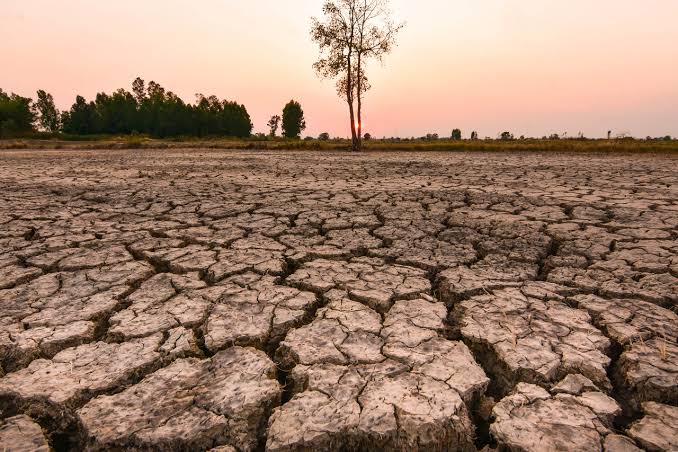
El Niño is often explained as a weather event, but its effects can reach far beyond weather reports. It begins when sea surface temperatures in the tropical Pacific rise above normal levels. That temperature anomaly can disturb rainfall, winds and seasonal patterns across the world. In some regions, it may bring drought and wildfires. In others, it may bring floods, storms or landslides.
エルニーニョはしばしば単なる気象現象として説明されますが、その影響は天気予報の範囲をはるかに超えて広がることがあります。これは、熱帯太平洋の海面水温が通常のレベルを超えて上昇することから始まります。この気温の異常は、世界各地の降雨、風、季節パターンを乱すことがあります。地域によっては干ばつや山火事をもたらし、また別の地域では洪水、暴風雨、土砂崩れをもたらすこともあります。
This matters because climate hazards do not affect every place in the same way. Geography shapes the damage. Australia and parts of Southeast Asia may face drier conditions, while parts of South America and East Africa may face heavier rainfall. A farmer, a restaurant owner and a city planner may all experience the same global climate pattern in very different ways.
これが重要なのは、気候による災害がどの場所にも同じように影響するわけではないからです。被害の程度は地理によって左右されます。オーストラリアや東南アジアの一部はより乾燥した状況に直面する一方、南米や東アフリカの一部はより激しい降雨に直面するかもしれません。農家、レストラン経営者、都市計画者は、同じ世界的な気候パターンを、それぞれまったく異なる形で経験することになるのです。
For businesses, the problem is not only the weather itself. It is the uncertainty that follows. A cattle farmer may reduce the size of a herd before a drought becomes severe. That decision can later create a supply shortage, because fewer animals are available the following year. A restaurant may need to change its menu, find new suppliers or preserve ingredients differently. In this way, El Niño can force businesses to become more adaptable.
企業にとって問題なのは天候そのものだけではありません。その後に続く不確実性も問題です。畜産農家は、干ばつが深刻化する前に群れの規模を縮小するかもしれません。その決断は、翌年に利用できる家畜が減ることで、後になって供給不足を引き起こす可能性があります。レストランはメニューを変更したり、新しい仕入れ先を見つけたり、食材の保存方法を変えたりする必要が出てくるかもしれません。このように、エルニーニョは企業により柔軟な対応を迫ることがあります。
The economic effects can also compound over time. A flood or drought may look like a temporary shock, but the damage can push an economy onto a lower growth path. If farms lose output, roads are damaged, food prices rise and investment slows, the gap between expected growth and actual growth may continue for years. In this sense, the loss is not only what happens during the event. It is also the shortfall that remains afterward.
経済的な影響は、時間とともに積み重なっていくこともあります。洪水や干ばつは一時的な衝撃のように見えるかもしれませんが、その被害が経済をより低い成長軌道へと押しやることがあります。農場の生産量が落ち込み、道路が損傷し、食料価格が上昇し、投資が鈍化すれば、期待された成長と実際の成長との差は何年も続く可能性があります。その意味で、損失とは出来事の最中に起きることだけではありません。その後に残る「不足分」もまた損失なのです。
El Niño is also happening in a warmer world. A warmer baseline can make heat, drought and heavy rainfall more damaging than they were in the past. This does not mean every disaster is caused by El Niño alone. Rather, El Niño can reveal how vulnerable many systems already are: food supply chains, infrastructure, insurance markets and public budgets.
エルニーニョは、温暖化した世界の中でも起きています。気温の基準そのものが上昇していることで、暑さや干ばつ、豪雨は以前よりも大きな被害をもたらす可能性があります。これは、あらゆる災害がエルニーニョだけによって引き起こされるという意味ではありません。むしろ、エルニーニョは、食料供給網、インフラ、保険市場、公共予算といった多くの仕組みが、すでにいかに脆弱であるかを明らかにするのです。
The real lesson is not simply that governments should prepare for one difficult year. They need to prepare for climate instability as a normal part of economic planning. Weather used to be treated as background risk. Now it is becoming a central business and policy issue. El Niño shows that climate is not outside the economy. It is one of the forces that can reshape it.
本当の教訓は、単に政府が困難な一年に備えるべきだということではありません。気候の不安定さを、経済計画における通常の一要素として備える必要があるのです。かつて天候は背景にあるリスクとして扱われてきました。しかし今では、それがビジネスと政策の中心的な課題になりつつあります。エルニーニョは、気候が経済の外にあるものではないことを示しています。それは、経済のあり方そのものを作り変えうる力の一つなのです。