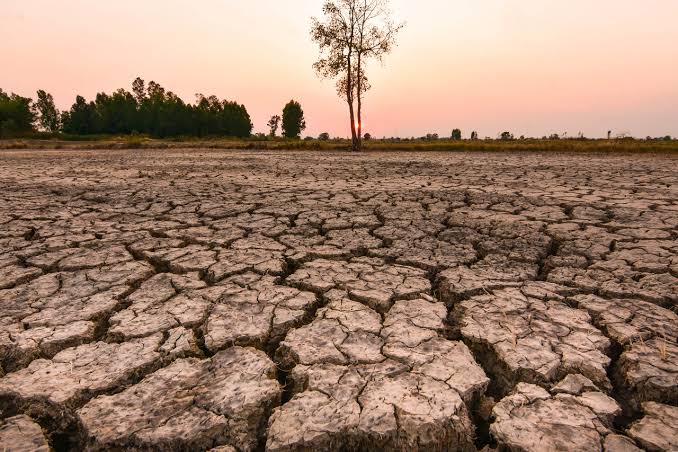
El Niño is a climate event that starts in the tropical Pacific Ocean. It happens when sea surface temperatures become warmer than usual. This change may sound small, but it can affect weather patterns around the world. Some places may become hotter and drier. Other places may have heavier rain, floods or storms.
エルニーニョは、熱帯太平洋で発生する気候現象です。海面水温が通常より高くなることで起こります。この変化は小さく聞こえるかもしれませんが、世界中の天候パターンに影響を与えることがあります。一部の地域はより暑く乾燥する一方、他の地域ではより激しい雨や洪水、嵐に見舞われることがあります。
The effects are not the same everywhere. In some parts of Australia and Southeast Asia, El Niño can increase the risk of drought. In parts of South America and East Africa, it can bring heavy rain or flooding. This means that farmers, businesses and governments need to prepare in different ways depending on where they are.
その影響は場所によって異なります。オーストラリアや東南アジアの一部では、エルニーニョが干ばつのリスクを高めることがあります。南米や東アフリカの一部では、大雨や洪水をもたらすことがあります。つまり、農家や企業、政府は、それぞれの地域に応じて異なる方法で備える必要があるということです。
For farmers, El Niño can create serious problems. If drought reduces grass or water, cattle farmers may have to sell some of their animals. This can help them survive in the short term, but it may cause a supply shortage later. If there are fewer animals next year, meat prices may rise.
農家にとって、エルニーニョは深刻な問題を引き起こすことがあります。干ばつによって牧草や水が減ると、畜産農家は家畜の一部を売らなければならなくなることがあります。これは短期的には生き延びる助けになりますが、後になって供給不足を招く可能性があります。翌年に家畜の数が減れば、食肉の価格が上昇するかもしれません。
Restaurants and food companies can also be affected. If fruit, vegetables or meat become harder to get, businesses may need to change their menus or find new suppliers. Some may use preserved or dried ingredients. Others may raise prices. In this way, a weather event can quickly become a business problem.
レストランや食品会社も影響を受ける可能性があります。果物や野菜、肉が手に入りにくくなると、企業はメニューを変更したり、新たな仕入れ先を探したりする必要が出てくるかもしれません。保存食や乾燥食材を使う企業もあれば、価格を引き上げる企業もあるでしょう。このように、気象現象はあっという間にビジネスの問題へと変わり得るのです。
El Niño can also affect the wider economy. Food prices, transport, insurance and public spending may all be influenced by extreme weather. A flood or drought may last only a few months, but the damage can continue for years. Roads, farms and businesses may need time and money to recover.
エルニーニョは、より広い経済にも影響を及ぼすことがあります。食料価格、輸送、保険、公共支出はいずれも異常気象の影響を受ける可能性があります。洪水や干ばつはわずか数か月しか続かないこともありますが、その被害は何年も続くことがあります。道路や農場、企業が回復するには時間とお金が必要になるかもしれません。
The main lesson is that climate is not separate from the economy. Weather changes can affect what people eat, how much they pay and how businesses operate. As the world becomes warmer and climate patterns become less stable, governments and companies will need to become more adaptable.
ここから学べる大切な教訓は、気候は経済と切り離せないということです。天候の変化は、人々が何を食べるか、いくら支払うか、企業がどのように事業を運営するかに影響を与えます。世界が温暖化し、気候パターンが不安定になるにつれて、政府や企業はより柔軟に対応できるようにならなければなりません。