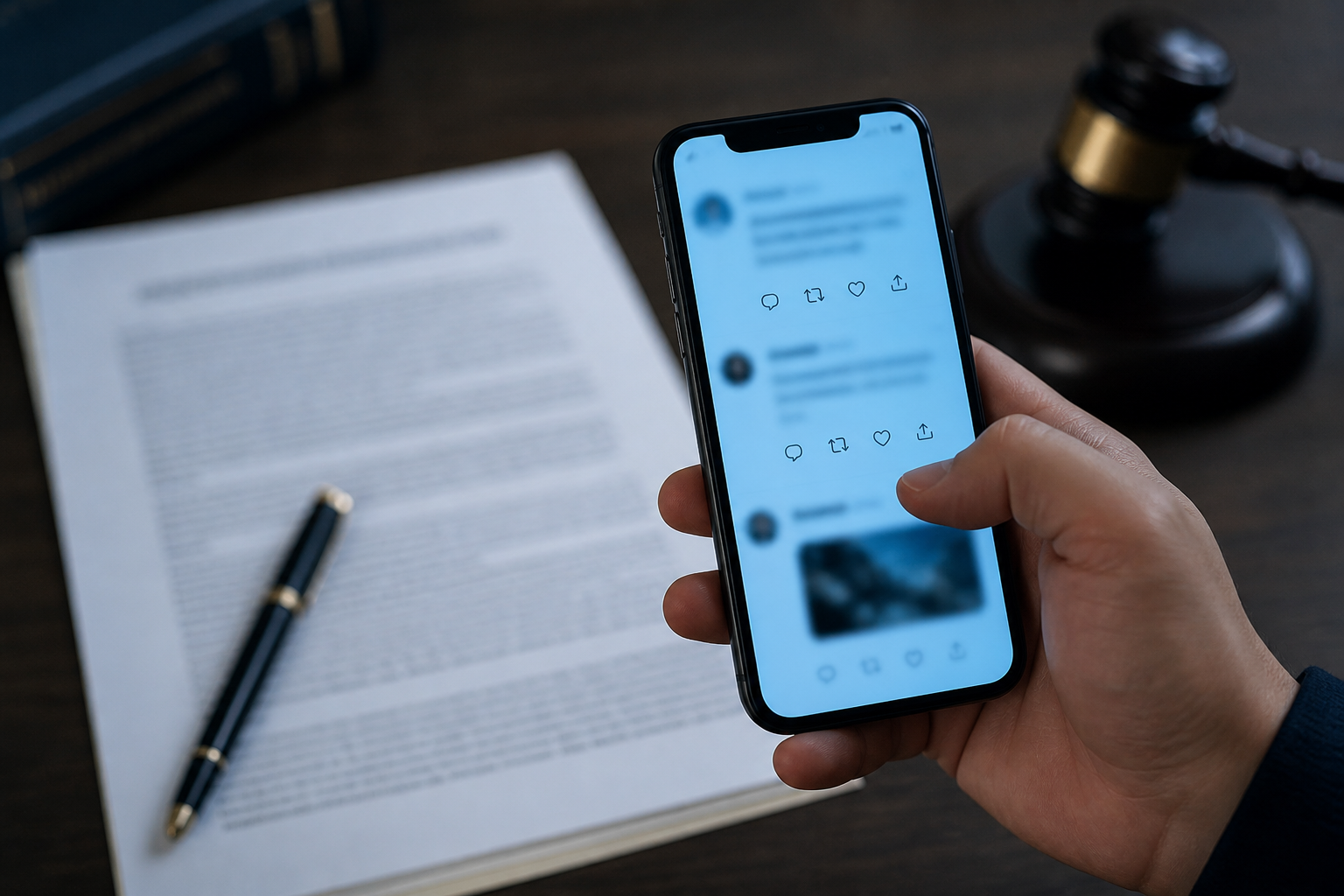
A social media user posts an allegation about a singer. The post says that she mistreats her staff or secretly pays for awards. Within hours, thousands of people have seen and shared it. Some readers believe the story, even though the writer has provided no reliable evidence. What began as a short online comment may now damage a real person’s reputation, career, and relationships.
ソーシャルメディアの利用者が、歌手についての申し立てを投稿します。その投稿は、彼女がスタッフを虐待している、または賞を密かに買っていると述べています。数時間以内に、何千人もの人がそれを見て共有しました。書き手が信頼できる証拠を示していないにもかかわらず、読者の一部はその話を信じます。短いオンラインのコメントとして始まったものが、今や実在の人の評判、キャリア、人間関係を傷つけうるのです。
People generally have the freedom to express opinions about others, whether the person being discussed is famous or not. In Japan, freedom of expression is protected by Article 21 of the Constitution. This protection includes uncomfortable criticism and unpopular opinions. However, it does not mean that every statement is legally acceptable. Calling a performance disappointing is different from presenting an unsupported accusation as a fact. Being famous does not remove a person’s legal protection against serious harm. (Constitution of Japan, Article 21)
人は一般に、話題の人物が有名人かどうかにかかわらず、他者について意見を述べる自由を持っています。日本では、表現の自由は憲法第21条によって保護されています。この保護には、不快な批判や少数派の意見も含まれます。しかしそれは、すべての発言が法的に許容されることを意味しません。公演をがっかりしたと言うことは、裏付けのない非難を事実として示すこととは異なります。有名人であることが、深刻な害に対する法的保護を取り除くわけではありません。(日本国憲法第21条)
Under Japanese criminal law, defamation can occur when someone publicly alleges facts that damage another person’s reputation. The law does not begin by asking only whether the allegation is true or false. A separate rule protects certain true statements when the subject concerns the public interest, the purpose is to benefit the public, and the facts are proved to be true. This is one reason responsible reporting about a public matter is different from gossip intended mainly to embarrass someone. (Japanese Penal Code, Articles 230–230-2)
日本の刑法では、他人の評判を傷つける事実を公に申し立てるとき、名誉毀損が成立しえます。法律は、申し立てが真か偽かだけを最初に問うわけではありません。別の規則は、対象が公益に関し、目的が公益のためであり、事実が真実であることが証明される場合、一定の真実の陳述を保護します。これが、公の事柄についての責任ある報道が、主に誰かを恥ずかしめるためのゴシップと異なる理由の一つです。(刑法第230条から第230条の2)
Japanese law also recognizes the offense of insult. Unlike defamation, an insult does not need to include a factual allegation. A public message consisting only of abusive words may still cross a legal line. In some common-law countries, defamation has traditionally been divided into libel, usually involving written or recorded statements, and slander, usually involving spoken statements. Japanese law does not organize these offenses through that division. Therefore, defamation is the more accurate general term for this article. A harmful post can result in criminal responsibility and may also create civil liability, including damages or measures to restore the victim’s reputation. (Japanese Penal Code, Articles 230–232; Japanese Civil Code, Article 723)
日本法は侮辱罪も認めています。名誉毀損と異なり、侮辱には事実の申し立てを含める必要はありません。侮辱的な言葉だけで構成される公のメッセージも、なお法的な線を越えうるのです。一部のコモンロー法系の国では、名誉毀損は伝統的に、通常は書面や記録された発言を伴うリベルと、通常は口頭の発言を伴うスランダーに分けられてきました。日本法はその区分を通じてこれらの罪を整理しません。したがって、名誉毀損がこの記事により正確な一般用語です。有害な投稿は刑事責任につながり、損害賠償や被害者の評判を回復するための措置を含む民事責任も生みえます。(刑法第230条から第232条;民法第723条)
However, holding an anonymous poster responsible can be difficult. A screen name rarely tells the victim who the person really is. The victim may first ask the platform to disclose connection information linked to the post. Information from an internet access provider may then be needed to obtain the user’s name and address. If the information disclosed by the platform is not enough to identify the person, another legal procedure is necessary. Japanese courts provide a special disclosure-order procedure for this purpose. (Tokyo District Court guidance on sender-information disclosure orders)
しかし、匿名の投稿者に責任を問うことは難しい場合があります。スクリーン名は、被害者にその人が本当に誰かをほとんど教えません。被害者はまず、プラットフォームに投稿に結びついた接続情報の開示を求めるかもしれません。利用者の氏名と住所を得るには、インターネット接続事業者からの情報が必要になることもあります。プラットフォームが開示した情報では人を特定するのに足りない場合、別の法的手続きが必要です。日本の裁判所は、この目的のために特別な開示命令手続きを設けています。(東京地方裁判所の発信者情報開示命令に関する案内)
Identifying a writer and removing a post are also different legal goals. The disclosure procedure is designed to help identify the person who sent the information. It does not itself delete the harmful post. Removal requires a different request and can require a separate court procedure. This distinction matters because stopping the spread of a harmful message and establishing who is legally responsible are not the same task.
書き手を特定することと投稿を削除することも、異なる法的目標です。開示手続きは、情報を送った人を特定する助けとなるよう設計されています。それ自体は有害な投稿を削除しません。削除には別の請求が必要で、別の裁判手続きを要する場合もあります。この区別は重要です。有害なメッセージの拡散を止めることと、法的に誰が責任を負うかを確立することは、同じ作業ではないからです。
Platforms therefore occupy a difficult position. They receive complaints, store important connection records, and respond to lawful disclosure and removal requests. However, they should not automatically delete every post that someone finds offensive. If they remove content too quickly, lawful criticism and important reporting could disappear. If they act too slowly, serious damage can spread before the victim has any effective remedy.
したがってプラットフォームは、難しい立場にあります。苦情を受け、重要な接続記録を保存し、合法的な開示・削除請求に応じます。しかし、誰かが不快だと感じるすべての投稿を自動的に削除すべきではありません。内容を速すぎるほど取り除けば、合法的な批判や重要な報道が消えるかもしれません。動きが遅すぎれば、被害者が効果的な救済を得る前に深刻な害が広がることがあります。
This tension cannot be solved simply by saying that free speech is good or that harmful speech is bad. Platforms need clear rules, careful review, and transparency about how decisions are made. Users must take responsibility for what they publish, while courts must distinguish criticism from unlawful harm. The important question is not whether all harsh speech should disappear. It is where criticism ends, where legal injury begins, and who should make that decision.
この緊張は、言論の自由が良い、有害な言論が悪いと言うだけでは解決できません。プラットフォームには明確な規則、慎重な審査、決定の仕方についての透明性が必要です。利用者は公開する内容に責任を負わなければならず、裁判所は批判と違法な害とを区別しなければなりません。重要な問いは、すべての厳しい言論が消えるべきかどうかではありません。批判がどこで終わり、法的な害がどこから始まり、誰がその決定を下すべきか、ということです。