
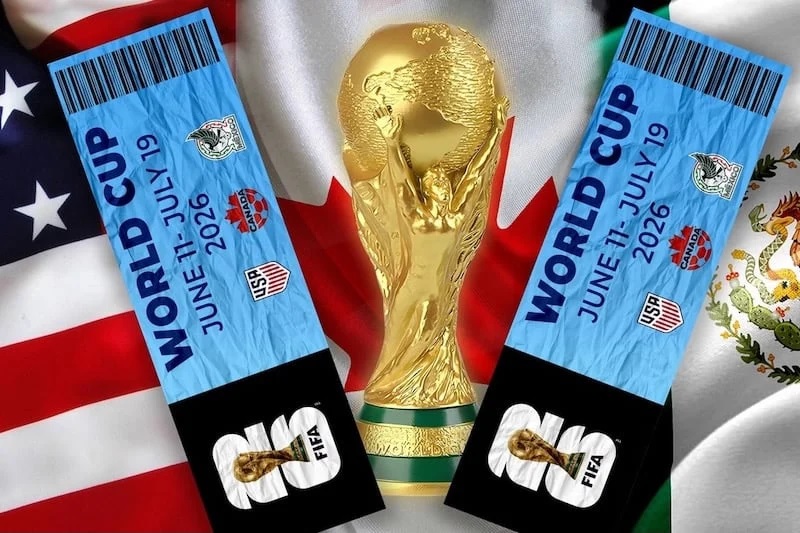
The 2026 FIFA World Cup will be the biggest in history. It will include 48 teams and 104 matches across the United States, Canada and Mexico. For fans, it is a global celebration of football. For FIFA, football's governing body, it is also a huge business event. FIFA expects to earn billions of dollars from broadcasting rights, sponsorship, ticketing and hospitality.
2026年のFIFAワールドカップは、史上最大の大会になります。アメリカ、カナダ、メキシコの3か国にまたがり、48チーム、104試合が行われます。ファンにとっては世界的なサッカーの祭典ですが、サッカーの統括団体であるFIFAにとっては、巨大なビジネスイベントでもあります。FIFAは、放映権、スポンサーシップ、チケット販売、ホスピタリティから数十億ドルもの収益を得ると見込んでいます。
FIFA is often described as a not-for-profit organization. This does not mean that it cannot generate large revenue. It means that it does not distribute profits to shareholders. Instead, FIFA says that much of its income is reinvested in football development, including support for national associations, youth football and the women's game. In this sense, the World Cup helps fund football far beyond the stadiums where the matches are played.
FIFAはしばしば非営利団体と説明されます。これは、大きな収益を生み出せないという意味ではありません。利益を株主に分配しないという意味です。その代わりに、FIFAは、収入の多くを各国協会への支援、ユース年代のサッカー、女子サッカーなど、サッカーの発展に再投資していると述べています。その意味で、ワールドカップは、試合が行われるスタジアムをはるかに超えた範囲でサッカーを支える資金源となっているのです。
But the money does not move in only one direction. Local governments also take on major responsibilities. They may need to improve transport, organize fan zones, prepare security plans and adjust stadium operations. Some of these costs are paid through public funding, including government grants and taxpayer money. Cities may also face liabilities if costs rise, plans change or promised support does not arrive as expected.
しかし、お金は一方向にだけ流れているわけではありません。地元政府も大きな責任を負っています。交通機関の整備、ファンゾーンの運営、警備計画の準備、スタジアム運営の調整などが必要になることがあります。こうした費用の一部は、政府補助金や納税者の資金といった公的資金によって賄われます。費用が膨らんだり、計画が変更されたり、約束されていた支援が予定通り届かなかったりすれば、都市が財政的な責任を負うことにもなりかねません。
This creates a difficult question: how should the cost burden be allocated? FIFA receives much of the direct tournament income, while host cities often hope to benefit indirectly. Hotels, restaurants, bars and local transport companies may see a temporary windfall from visitors. Cities may also gain international attention. Economists sometimes call this kind of indirect benefit an economic spillover. However, spillovers are not always easy to measure, and they may not cover all public costs.
ここから、難しい問いが生まれます。費用の負担はどのように配分されるべきなのでしょうか。FIFAは大会の直接的な収入の多くを受け取る一方で、開催都市はしばしば間接的な恩恵を期待します。ホテル、レストラン、バー、地元の交通会社は、来訪者による一時的な思わぬ利益を得るかもしれません。都市が国際的な注目を集めることもあるでしょう。経済学者は、こうした間接的な恩恵を「経済的スピルオーバー(波及効果)」と呼ぶことがあります。しかし、この波及効果は必ずしも測定しやすいものではなく、すべての公的費用をまかなえるとは限りません。
The risk is that early estimates can be too optimistic. Security, transport and crowd-management expenses may increase as the event approaches, leading to cost overruns. A city may expect tourism and publicity, but later discover that the financial benefits are smaller than hoped. In that case, taxpayers may carry part of the bill, even if most of the direct revenue goes elsewhere.
リスクは、当初の見積もりが楽観的すぎる場合があるということです。大会が近づくにつれて、警備、交通、群衆管理にかかる費用が増加し、予算超過につながることがあります。ある都市は観光客の増加や宣伝効果を期待していても、後になって、期待していたほどの経済的恩恵が得られなかったと気づくかもしれません。その場合、直接的な収入の大部分が他へ流れていたとしても、納税者がその費用の一部を負担することになりかねません。
The World Cup can bring excitement, visibility and business activity to a city. At the same time, it can shift financial risk onto local governments. The real issue is not whether the tournament is "good" or "bad." A better question is whether the benefits and burdens are shared in a transparent and fair way. When a global event depends on local infrastructure, the public deserves to know who receives the revenue and who pays the bill.
ワールドカップは、都市に興奮や知名度、経済活動をもたらすことができます。同時に、財政的なリスクを地元政府へと転嫁することもあります。本当の問題は、この大会が「良い」か「悪い」かということではありません。むしろ問うべきは、その恩恵と負担が透明かつ公正な形で分かち合われているかどうかです。世界的なイベントが地域のインフラに依存する以上、誰が収益を得て誰が費用を支払うのかを、市民は知る権利があります。