
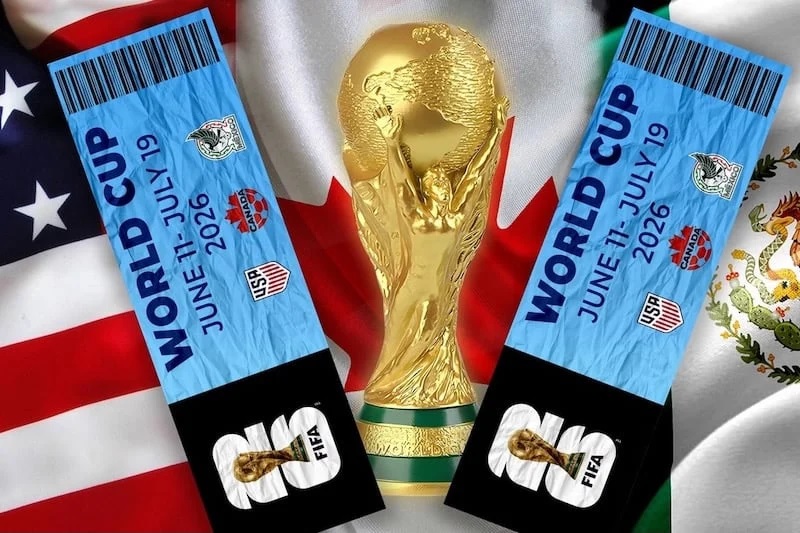
For many football fans, the World Cup is not only a tournament. It is a once-in-a-lifetime event. That emotional value gives tickets a special kind of power. When demand is extremely high and seats are limited, scarcity can push prices far beyond what many ordinary fans expect.
多くのサッカーファンにとって、ワールドカップは単なる大会ではありません。それは一生に一度の出来事です。その感情的な価値が、チケットに特別な力を与えています。需要が非常に高く、座席が限られているとき、供給不足は価格を多くの一般的なファンの予想をはるかに超える水準まで押し上げることがあります。
One reason prices can rise is dynamic pricing. Under this system, ticket prices are not fixed from the beginning. They may fluctuate depending on demand, timing, seat location and other market conditions. Airlines and hotels have used similar systems for years, but many sports fans feel differently when the same logic is applied to a global tournament that is supposed to belong to supporters.
価格が上昇する理由の一つは、ダイナミック・プライシング(変動価格制)です。この仕組みのもとでは、チケットの価格は最初から固定されているわけではありません。需要やタイミング、座席の場所、その他の市場条件に応じて変動することがあります。航空会社やホテルは長年同様の仕組みを使ってきましたが、多くのスポーツファンは、本来サポーターのものであるはずの世界的な大会に同じ論理が適用されると、違和感を覚えます。
Another issue is the gap between face value and the final price paid by fans. A ticket may begin with an official price, but extra fees, resale markups or a surcharge can make the final cost much higher. If there is no clear ceiling on resale prices, tickets for popular matches can quickly become unaffordable. This can create a feeling that access is being decided less by loyalty and more by purchasing power.
もう一つの問題は、額面価格とファンが最終的に支払う価格との差です。チケットは公式価格から始まるかもしれませんが、追加手数料や転売による上乗せ、割増料金によって、最終的な費用ははるかに高くなることがあります。転売価格に明確な上限がなければ、人気の試合のチケットはあっという間に手が届かないものになってしまいます。これにより、観戦できるかどうかが、応援してきた思いよりも購買力によって決まっているという感覚が生まれることがあります。
FIFA and other event organizers may argue that higher prices reflect market demand. From this point of view, if many people are willing to pay more, the price simply shows how valuable the event is. Revenue from ticketing and hospitality can also help fund the tournament and support football programs elsewhere. However, this argument becomes more controversial when fans do not understand how prices are set.
FIFAや他の大会運営者は、価格の上昇は市場の需要を反映しているだけだと主張するかもしれません。この考え方に立てば、多くの人がより高い金額を払ってもよいと思っているなら、その価格は単にその大会の価値の高さを示しているにすぎません。チケットやホスピタリティからの収入は、大会の資金を支え、他の地域のサッカー振興プログラムを支援することにもつながります。しかし、この主張は、ファンが価格の決め方を理解できていない場合、より議論を呼ぶものとなります。
That is why transparency matters. If pricing rules are opaque, fans may suspect that artificial scarcity, unclear seat information or confusing resale systems are pushing prices higher. In some cases, public officials may step in. A subpoena or investigation can be used to request information about how tickets were sold, how prices were changed and whether consumers were treated fairly.
だからこそ、透明性が重要なのです。価格設定のルールが不透明であれば、ファンは、人為的な品薄状態や不明瞭な座席情報、分かりにくい転売システムが価格をつり上げているのではないかと疑うかもしれません。場合によっては、公的機関が介入することもあります。召喚状や調査を通じて、チケットがどのように販売されたか、価格がどのように変更されたか、消費者が公正に扱われたかどうかについての情報提供が求められることがあります。
The question is not simply whether World Cup tickets should be cheap. Major global events are expensive to organize, and demand will always be uneven. The deeper question is how to balance market pricing with public trust. If football wants to present itself as a global game, its biggest event must also consider whether ordinary supporters still have a realistic path into the stadium.
問題は、単にワールドカップのチケットが安くあるべきかどうかということではありません。大規模な世界的イベントの運営には費用がかかり、需要は常に偏るものです。より本質的な問いは、市場原理に基づく価格設定と社会的信頼をどう両立させるかということです。サッカーが「世界のスポーツ」であることを掲げたいのであれば、その最大の大会でも、一般のサポーターがスタジアムに現実的にたどり着ける道が残されているかどうかを考慮しなければなりません。