
← News Topics

Why Did Gambia Take Myanmar to Court Over Genocide?

Day 1 — The ICJ Ruling on Myanmar and the Rohingya

なぜガンビアはジェノサイドをめぐってミャンマーを裁判に訴えたのか ― 第1日:ICJの判決とロヒンギャ

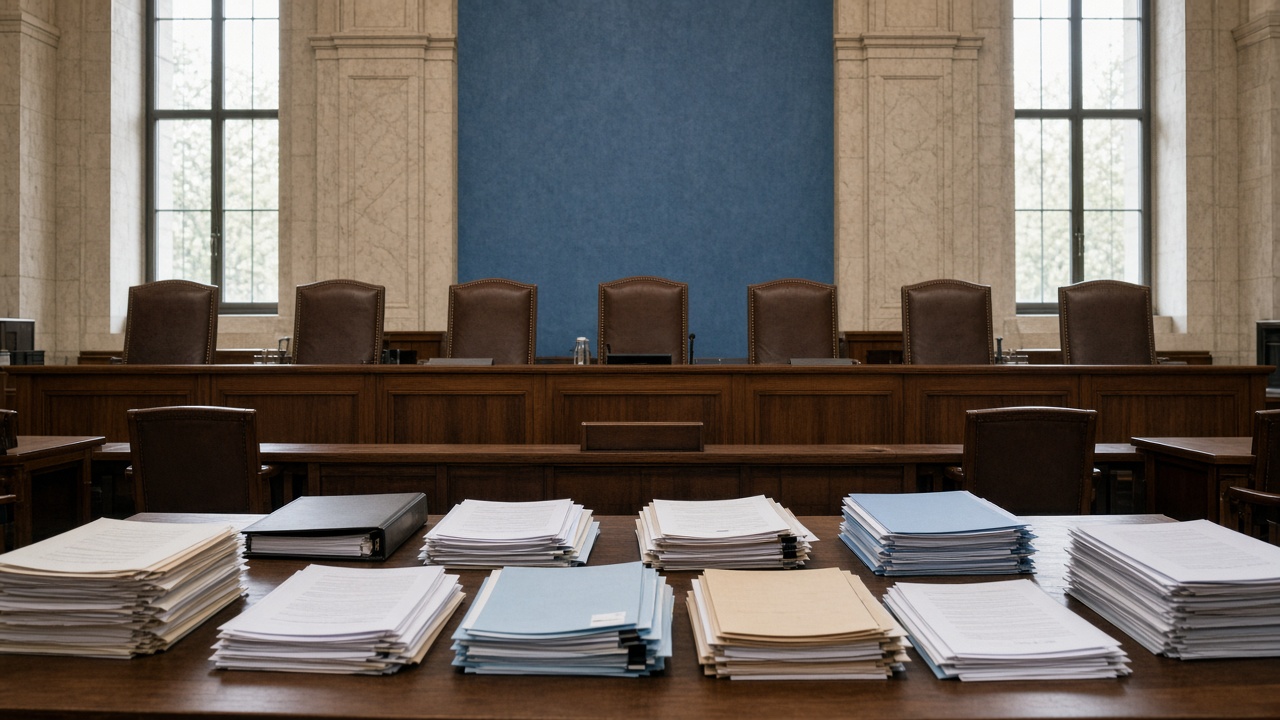
Empty international courtroom with wooden judges' benches, legal document stacks, and soft daylight through tall windows

On November 19, 2026, the International Court of Justice (ICJ), the United Nations’ highest court, delivered a landmark ruling. By nine votes to six, it found that Myanmar had committed genocide against the Rohingya, a Muslim ethnic minority. It was the first time the ICJ had held a country responsible for committing genocide. The judgment was delivered by the court’s Japanese president, Judge Yuji Iwasawa. But another remarkable detail was that the case had been brought not by a neighboring country, but by Gambia, a small nation in West Africa.

2026年11月19日、国連の最高裁判所である国際司法裁判所(ICJ)は画期的な判決を下しました。9対6の票決で、ミャンマーがイスラム系少数民族であるロヒンギャに対してジェノサイドを犯したと認定しました。ICJが国家にジェノサイドの責任があると認めたのは初めてでした。判決は、裁判所の日本人長官である岩澤雄司判事によって言い渡されました。しかしもう一つの注目すべき点は、この事件を起こしたのが近隣国ではなく、西アフリカの小国ガンビアだったことです。

The case concerned a military campaign in Myanmar’s northern Rakhine State in 2017. The Rohingya had long faced discrimination and restrictions on citizenship. After attacks by a Rohingya armed group, Myanmar’s military launched what it called clearance operations. Security forces killed civilians, committed widespread sexual violence, and destroyed hundreds of villages. More than 700,000 Rohingya fled across the border into Bangladesh. Myanmar maintained that its military operations were intended to fight armed insurgents, not to destroy an ethnic group.

この事件は、2017年にミャンマー北部ラカイン州で行われた軍事作戦に関するものでした。ロヒンギャは長年、差別と市民権の制限に直面してきました。ロヒンギャ武装勢力による攻撃のあと、ミャンマー軍はいわゆる掃討作戦を開始しました。治安部隊は民間人を殺害し、広範な性暴力を行い、何百もの村を破壊しました。70万人以上のロヒンギャが国境を越えてバングラデシュへ逃れました。ミャンマーは、軍事作戦の目的は武装した反政府勢力と戦うことであり、民族集団を破壊することではないと主張しました。

Gambia’s justice minister, Abubacarr Tambadou, visited Rohingya refugee camps in Bangladesh. Having previously worked at the International Criminal Tribunal for Rwanda, he was deeply disturbed by the survivors’ accounts, which reminded him of the 1994 genocide in Rwanda. His experience helped drive Gambia’s decision to take legal action, with support from the Organisation of Islamic Cooperation. In 2019, Gambia brought the case before the ICJ. But why could a country thousands of kilometers away take Myanmar to court? The answer lies in the 1948 Genocide Convention. Countries that join the treaty share an obligation to prevent and punish genocide. In 2022, the ICJ confirmed that Gambia could bring the case even though it had not suffered direct harm. Protecting people from genocide is a common responsibility of the treaty’s member states, not merely a matter between neighboring countries.

ガンビアの法務大臣アブバカール・タンバドゥは、バングラデシュのロヒンギャ難民キャンプを訪れました。以前ルワンダ国際刑事裁判所で働いていた彼は、生存者の話に深く衝撃を受け、それが1994年のルワンダのジェノサイドを思い起こさせました。その経験が、イスラム協力機構の支援を受けてガンビアが法的措置をとる決定を後押ししました。2019年、ガンビアはICJに提訴しました。しかし、数千キロ離れた国がなぜミャンマーを裁判に訴えることができたのでしょうか。答えは1948年のジェノサイド条約にあります。条約に加盟した国は、ジェノサイドを防止し処罰する共通の義務を負います。2022年、ICJは、ガンビアが直接の被害を受けていなくても提訴できると確認しました。ジェノサイドから人々を守ることは、単なる近隣国同士の問題ではなく、条約加盟国の共通の責任なのです。

The central legal question was whether Myanmar’s actions amounted to genocide rather than ethnic cleansing. The two expressions are not interchangeable. Ethnic cleansing generally refers to forcing an ethnic or religious population out of a particular area. Genocide, however, has a specific legal definition: certain prohibited acts must be committed with the intent to destroy a national, ethnic, racial, or religious group, in whole or in part. Mass killings and forced displacement may provide evidence of genocide, but they do not automatically establish that special intent. The distinction depends not simply on the number of victims, but on what the perpetrators intended to achieve.

中心となる法的問題は、ミャンマーの行為が民族浄化ではなくジェノサイドに相当するかどうかでした。この二つの表現は互換ではありません。民族浄化は一般に、ある地域から民族または宗教的集団を強制的に追い出すことを指します。一方、ジェノサイドには特定の法的定義があります。禁止された行為が、国民的・民族的・人種的・宗教的集団を全部または一部破壊する意図をもって行われなければならないのです。大量殺戮や強制移住はジェノサイドの証拠になりえますが、その特別な意図を自動的に証明するわけではありません。区別は単に被害者の数ではなく、実行者が何を達成しようと意図したかにかかっています。

Proving intent is especially difficult because governments rarely announce plans to destroy an entire community. The judges therefore examined the pattern of violence, including attacks on fleeing civilians, widespread sexual assaults, and the systematic destruction of Rohingya villages. They also considered evidence of extreme violence against women and children. The court rejected Myanmar’s argument that the operations could be explained as legitimate military action against insurgents. It concluded that an intention to destroy a substantial part of the Rohingya population was the only reasonable explanation for the evidence.

政府が共同体全体を破壊する計画を公表することはまれなため、意図の証明はとくに困難です。そのため裁判官たちは、逃走する民間人への攻撃、広範な性的暴行、ロヒンギャの村々の組織的破壊を含む暴力のパターンを調べました。女性や子どもに対する極度の暴力の証拠も検討しました。裁判所は、作戦が反政府勢力に対する正当な軍事行動として説明できるというミャンマーの主張を退けました。証拠に対する唯一の合理的な説明は、ロヒンギャ住民のかなりの部分を破壊する意図だった、と結論づけました。

The judgment is final and legally binding. The ICJ ordered Myanmar to investigate and punish those responsible, prevent further violations, provide compensation, and enable displaced Rohingya to return home safely and voluntarily. For survivors, the ruling represents official recognition of suffering that Myanmar’s authorities had long denied. Yet recognition and practical justice are not the same. Many Rohingya still live in refugee camps in Bangladesh, and their safe return remains uncertain. The court has established Myanmar’s legal responsibility. Whether that judgment can bring meaningful change to the lives of the victims is a challenge that international law alone cannot resolve.

判決は最終的で法的拘束力があります。ICJはミャンマーに、責任者の捜査と処罰、さらなる違反の防止、補償の提供、そして避難したロヒンギャが安全かつ自発的に帰宅できるようにすることを命じました。生存者にとって、この判決はミャンマー当局が長く否定してきた苦しみの公式な認識を意味します。しかし認識と実際の正義は同じではありません。多くのロヒンギャはなおバングラデシュの難民キャンプに暮らし、安全な帰還は不確かです。裁判所はミャンマーの法的責任を確立しました。その判決が被害者の生活に意味のある変化をもたらせるかどうかは、国際法だけでは解決できない課題です。
Vocabulary

  1. landmark ruling — An important court decision that establishes a significant legal principle or marks a major development in the law. Example: The international court delivered a landmark ruling that could influence future cases involving human rights violations.
  2. genocide — Acts committed with the intention of destroying, in whole or in part, a national, ethnic, racial, or religious group. Example: The court examined whether the military’s actions constituted genocide under international law.
  3. clearance operations — Military or security operations intended to remove armed groups, suspected opponents, or other people from a particular area. Example: The government described the campaign as clearance operations against armed groups, but investigators reported widespread attacks on civilians.
  4. insurgents — People who use armed force to fight against a government or established authority. Example: The government claimed that its military campaign was directed against insurgents rather than civilians.
  5. amount to — To be considered or have the same meaning, effect, or legal significance as something else. Example: The judges had to determine whether the military’s actions amounted to genocide under international law.
  6. ethnic cleansing — The forced removal of an ethnic or religious group from a particular area, often through violence, intimidation, or persecution. Example: Thousands of families fled their homes during a campaign that international observers described as ethnic cleansing.
  7. intent — The purpose or intention behind an action, especially when determining whether someone has committed a crime or violated the law. Example: Prosecutors must sometimes establish criminal intent by examining a person’s actions and surrounding circumstances.
  8. perpetrator — A person who commits a crime or carries out a harmful or unlawful act. Example: Investigators collected witness statements to identify the perpetrators of the attacks on civilians.

Comprehension Questions

  1. What made the ICJ’s November 19, 2026 ruling historically significant?
    1. It was the first international judgment concerning Myanmar.
    2. It was the first time the ICJ found a country responsible for committing genocide.
    3. It established the International Criminal Court.
    4. It required every country to accept Rohingya refugees.

    ICJの2026年11月19日の判決を歴史的に重要にしたのは何ですか?

  2. Why was Gambia able to bring the case against Myanmar?
    1. Gambia had been directly attacked by Myanmar’s military.
    2. Gambia shared a border with Myanmar.
    3. The Genocide Convention allows member states to raise violations of obligations shared under the treaty.
    4. The United Nations had appointed Gambia to represent all Rohingya refugees.

    ガンビアがミャンマーに対して提訴できたのはなぜですか?

  3. What is a key legal requirement for establishing genocide?
    1. Evidence that more than 10,000 people were killed.
    2. Proof that victims were forced to cross an international border.
    3. Evidence that a military operation was conducted without government approval.
    4. Intent to destroy a protected national, ethnic, racial, or religious group, in whole or in part.

    ジェノサイドを確立するための主要な法的要件は何ですか?

  4. How did the ICJ reach its conclusion about Myanmar’s intent?
    1. By considering the overall pattern of violence and concluding that the intent to destroy a substantial part of the Rohingya population was the only reasonable explanation.
    2. By relying exclusively on a written order from Myanmar’s military leaders.
    3. By accepting Myanmar’s claim that the operations were directed solely against insurgents.
    4. By determining that any large-scale military operation automatically constitutes genocide.

    ICJはミャンマーの意図についての結論にどう到達しましたか?

  5. What challenge does the article identify following the judgment?
    1. The ICJ must obtain approval from Myanmar before publishing its decision.
    2. The judgment will become legally binding only after a second trial.
    3. Gambia must establish that it suffered direct financial losses.
    4. Implementing the judgment and ensuring meaningful improvements in the lives of Rohingya victims remain difficult.

    判決のあと、記事が指摘している課題は何ですか?

Discussion Questions

  1. Gambia brought a genocide case against Myanmar despite having no direct geographical connection to the events. Why might international law allow countries that are not directly affected to bring such cases? What advantages and difficulties could this approach create?

    ガンビアは、出来事と直接の地理的つながりがないにもかかわらず、ミャンマーに対してジェノサイド訴訟を起こしました。国際法が、直接影響を受けていない国による提訴を認めるのはなぜでしょうか。この取り組みはどのような利点と困難を生みうるでしょうか?

  2. The article explains that ethnic cleansing and genocide are not legally interchangeable. Why is the distinction between forcibly removing a population and intending to destroy a group important? What difficulties might arise when applying these definitions to real events?

    記事は、民族浄化とジェノサイドは法的に互換ではないと説明しています。住民を強制的に排除することと、集団を破壊する意図をもつことの区別が重要なのはなぜでしょうか。これらの定義を実際の出来事に当てはめるとき、どのような困難が生じうるでしょうか?

  3. Genocidal intent is often established through evidence of conduct rather than explicit orders. How can courts distinguish between different possible explanations for widespread violence? Why is it important to examine the overall pattern of events?

    ジェノサイドの意図は、しばしば明示的な命令ではなく行為の証拠を通じて立証されます。裁判所は、広範な暴力に対する異なるありうる説明をどう区別できますか。出来事の全体的なパターンを調べることが重要なのはなぜですか?

  4. Myanmar maintained that its military operations were aimed at armed insurgents. How should international law distinguish legitimate security operations from unlawful attacks on civilians? What safeguards should governments be expected to follow?

    ミャンマーは、軍事作戦は武装した反政府勢力を狙ったものだと主張しました。国際法は、正当な治安作戦と民間人への違法な攻撃をどう区別すべきでしょうか。政府にはどのような保護措置が期待されるべきでしょうか?

  5. The ICJ’s ruling is legally binding, but it does not automatically guarantee that Rohingya refugees can return home safely. What measures would be needed to turn the judgment into practical improvements for survivors? Which obstacles might be the most difficult to overcome?

    ICJの判決は法的拘束力がありますが、ロヒンギャ難民が安全に帰宅できることを自動的に保証しません。判決を生存者のための実際の改善に変えるには、どのような措置が必要でしょうか。どの障害が最も克服しにくいかもしれませんか?

Speaking Practice

One-Minute News Briefing

Imagine that a colleague has heard about the ICJ’s judgment against Myanmar but does not understand why the decision is important. Give a short explanation of approximately one minute, covering the following points: What happened in Myanmar in 2017. Why Gambia was able to bring the case before the ICJ. The legal difference between ethnic cleansing and genocide. How the judges established genocidal intent. Why implementing the judgment remains a challenge. Try to use at least three expressions from today’s Vocabulary.

1分ニュース・ブリーフィング。同僚がICJのミャンマーに対する判決について聞いたが、なぜ重要かわからない、という想定で話してください。およそ1分で、次の点をカバーしてください。2017年にミャンマーで何が起きたか。ガンビアがICJに提訴できた理由。民族浄化とジェノサイドの法的な違い。裁判官がジェノサイドの意図をどう立証したか。判決の実施がなお課題である理由。今日のVocabularyから少なくとも三つの表現を使ってください。

Useful Expressions

  • The court delivered a landmark ruling that…
  • The military claimed that its operations were aimed at…
  • The central legal question was whether…
  • To establish genocide, it is necessary to prove…
  • The judges concluded that…
  • Although the judgment is legally binding…

便利な表現:裁判所は…という画期的な判決を下した。軍は作戦が…を狙ったものだと主張した。中心となる法的問題は…かどうかだった。ジェノサイドを確立するには…を証明する必要がある。裁判官たちは…と結論づけた。判決は法的拘束力があるが…。