
← News Topics

When the Ground Gives Way

Day 2: Why Can’t Farmers Simply Use Less Water?

地面が崩れるとき ― 第2日:農民はなぜ単に水を減らせないのか

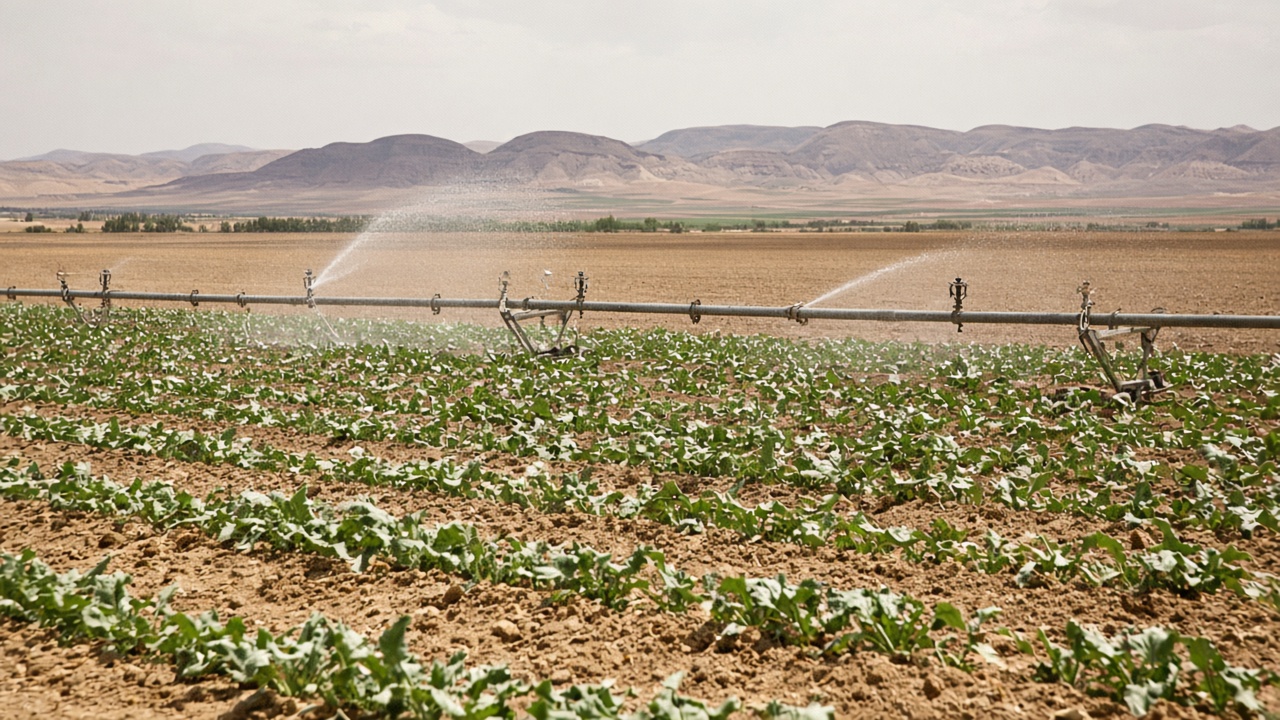
Irrigation on dry Turkish farmland suggesting water-intensive crops

After learning that falling groundwater levels are causing sinkholes, the solution may seem obvious: farmers should simply use less water. However, they reject the idea that farmers are wasting it for personal benefit. They argue that they use it to produce food for the country. The deeper question is why farmers continue growing water-intensive crops when the region is becoming drier.

地下水位の低下がシンクホールを引き起こしていると知ると、解決策は明らかに見えるかもしれません。農民は単に水を減らすべきだ、と。しかし彼らは、農民が個人的な利益のために水を無駄にしているという考えを拒否します。国の食料を生産するために使っていると主張します。より深い問いは、地域がより乾燥しつつあるのに、なぜ農民が水を多く必要とする作物を育て続けるのかです。

One reason is money. Sugar beet and corn are generally more profitable than crops requiring less water. There is also reliable demand for them. Turkey’s 2001 Sugar Law introduced a national quota system for sugar production. Its aim was to support domestic self-sufficiency, ensuring that the country could produce enough sugar for its population. This gave farmers a strong reason to continue planting sugar beet.

一つの理由はお金です。テンサイとトウモロコシは、一般に水をあまり必要としない作物より儲かります。それらには安定した需要もあります。トルコの2001年砂糖法は、砂糖生産のための全国枠制度を導入しました。その目的は国内の自給を支え、国が人口に十分な砂糖を生産できるようにすることでした。これは農民にテンサイの植え付けを続ける強い理由を与えました。

Wheat and barley are traditionally better suited to Konya’s dry conditions, but farmers say that these crops no longer provide enough income. In 2026, the state increased the purchase price of wheat by about 22 percent and barley by about 16 percent. However, the costs of fertilizer, electricity, fuel, and machinery have also risen sharply. For many farmers, income from traditional crops does not keep pace with their expenses.

小麦と大麦は伝統的にコンヤの乾燥した条件により適していますが、農民はこれらの作物はもはや十分な収入をもたらさないと言います。2026年、国は小麦の買い取り価格を約22パーセント、大麦を約16パーセント引き上げました。しかし、肥料、電気、燃料、機械の費用も急激に上がっています。多くの農民にとって、伝統的な作物からの収入は支出に追いつきません。

Access to water creates another problem. When water from dams and rivers is insufficient, farmers depend on wells. Official permission to drill new wells has become difficult to obtain because groundwater is already declining. Some farmers therefore resort to using unlicensed wells. Punishing them may reduce illegal extraction, but it does not remove their need to produce enough crops to support their families.

水へのアクセスは別の問題を生みます。ダムと川からの水が不十分なとき、農民は井戸に頼ります。地下水がすでに減っているため、新しい井戸を掘る公式の許可は得にくくなっています。したがって一部の農民は、無許可の井戸を使うことに頼ります。彼らを罰することは違法な取水を減らすかもしれませんが、家族を支えるのに十分な作物を生産する必要を取り除くことはできません。

Water can also be used more efficiently. Closed pipes lose less water than open channels, where evaporation and leaks are common. Modern irrigation systems, such as sprinklers, can use much less water than simply flooding a field. The government has offered grants and other incentives to encourage farmers to install this equipment. However, the equipment is expensive, and high borrowing costs make investment difficult.

水はまた、より効率的に使うこともできます。密閉パイプは、蒸発と漏れが一般的な開水路より水を失いません。スプリンクラーなどの現代的な灌漑システムは、単に畑を水浸しにするよりはるかに少ない水で済みます。政府は、この設備を設置するよう農民を促すために補助金やその他のインセンティブを提供してきました。しかし設備は高価で、高い借入コストが投資を難しくします。

Changing the crops themselves may produce greater savings. Authorities can encourage farmers to plant crops that require less water and place tighter controls on sugar beet production and illegal wells. Yet farmers are unlikely to change unless the alternative crops provide a dependable income. Regulations, purchasing policies, and financial assistance must all point in the same direction.

作物そのものを変えることは、より大きな節約を生むかもしれません。当局は、水をあまり必要としない作物を植えるよう農民を促し、テンサイ生産と違法井戸により厳しい管理をかけることができます。しかし代替作物が安定した収入を提供しない限り、農民が変える可能性は低いでしょう。規制、買い取り政策、財政支援はすべて同じ方向を指さなければなりません。

The sinkhole crisis is therefore not simply the result of irresponsible farmers. It has grown from drought, consumer demand, agricultural policy, and economic pressure. Farmers must change some of their practices, but the entire burden cannot be placed on them. Saving Konya’s groundwater will require a system in which producing food and protecting water are no longer opposing choices.

したがってシンクホール危機は、単に無責任な農民の結果ではありません。それは干ばつ、消費者需要、農業政策、経済的圧力から成長してきました。農民は一部の慣行を変えなければなりませんが、全体の負担を彼らだけに置くことはできません。コンヤの地下水を救うには、食料生産と水の保護がもはや対立する選択ではない制度が必要です。

Vocabulary

  1. water-intensive — requiring a large amount of water to produce or operate. Example: Rice is a water-intensive crop in many parts of the world.
  2. profitable — producing more money than it costs to operate or produce. Example: The farmer replaced the crop with one that was more profitable.
  3. quota — an official limit or required amount of something that may be produced, sold, or supplied. Example: The government introduced a quota for domestic sugar production.
  4. self-sufficiency — the ability to provide what is needed without depending on outside sources. Example: The country is trying to achieve greater self-sufficiency in food production.
  5. keep pace with — to increase or develop at the same speed as something else. Example: Income from traditional crops does not keep pace with their expenses.
  6. resort to — to do something because other choices are unavailable or have failed. Example: Some families had to resort to borrowing money when food prices rose.
  7. irrigation — the artificial supply of water to land or crops. Example: The farm introduced a modern irrigation system to reduce water use.
  8. incentive — something that encourages a person or organization to take a particular action. Example: The government offered a financial incentive to farmers who changed crops.
  9. burden — a difficult responsibility, duty, or cost that someone must carry. Example: Small businesses cannot carry the entire financial burden of the new system.

Comprehension Questions

  1. Why do farmers continue growing sugar beet and corn?
    1. They require no irrigation.
    2. They are profitable and have reliable demand.
    3. They can only be grown with rainwater.
    4. The government has prohibited other crops.

    農民はなぜテンサイとトウモロコシの栽培を続けるのですか?

  2. What was one aim of Turkey’s 2001 Sugar Law?
    1. To end domestic sugar production
    2. To replace sugar beet with wheat
    3. To support domestic self-sufficiency in sugar
    4. To prohibit agricultural quotas

    トルコの2001年砂糖法の目的の一つは何でしたか?

  3. Why are wheat and barley less attractive to some farmers?
    1. They cannot grow in Konya’s climate.
    2. Their income may not keep pace with production costs.
    3. Turkish consumers do not eat them.
    4. They require more water than sugar beet.

    小麦と大麦が一部の農民にとって魅力が低いのはなぜですか?

  4. Why might some farmers use unlicensed wells?
    1. Official water supplies are insufficient, and new licenses are difficult to obtain.
    2. Unlicensed wells always provide cleaner water.
    3. The government requires every farmer to use one.
    4. They are used only for drinking water.

    一部の農民が無許可の井戸を使う可能性があるのはなぜですか?

  5. What does the article say is necessary to reduce water use?
    1. Punishing farmers without changing other policies
    2. Ending all farming in Konya immediately
    3. Combining regulation, financial support, and better agricultural policies
    4. Importing all food from other countries

    記事は、水使用量を減らすために何が必要だと言っていますか?

Discussion Questions

  1. Is it fair to ask farmers to stop growing their most profitable crops?

    農民に最も儲かる作物の栽培をやめるよう求めるのは公正ですか?

  2. Should food self-sufficiency remain a priority when domestic production damages water resources?

    国内生産が水資源を損なうとき、食料の自給は優先事項のままでいるべきですか?

  3. Is punishing people who use illegal wells likely to solve the problem?

    違法井戸を使う人を罰することが問題を解決する可能性は高いですか?

  4. Who should pay for new irrigation equipment: farmers, consumers, or the government?

    新しい灌漑設備の費用は誰が払うべきですか。農民、消費者、それとも政府ですか?

  5. How can governments encourage environmental change without destroying people’s livelihoods?

    政府は、人々の生計を破壊せずに環境変化をどう促せますか?

Speaking Practice

Speak for about one minute about why reducing agricultural water use in Konya is difficult.

コンヤで農業用水を減らすことが難しい理由について、約1分間話してください。

Include:

  • why farmers grow sugar beet and corn

    農民がテンサイとトウモロコシを育てる理由

  • why wheat and barley may not provide enough income

    小麦と大麦が十分な収入をもたらさない可能性がある理由

  • why some farmers use unlicensed wells

    一部の農民が無許可の井戸を使う理由

  • what support farmers need in order to change

    農民が変えるために必要な支援