
← News Topics

Culture Under Pressure in Hong Kong

Day 3: Can Hong Kong Culture Survive Beyond Hong Kong?

圧力の下にある香港の文化 ― 第3日:香港の文化は香港を超えて生き残れるか

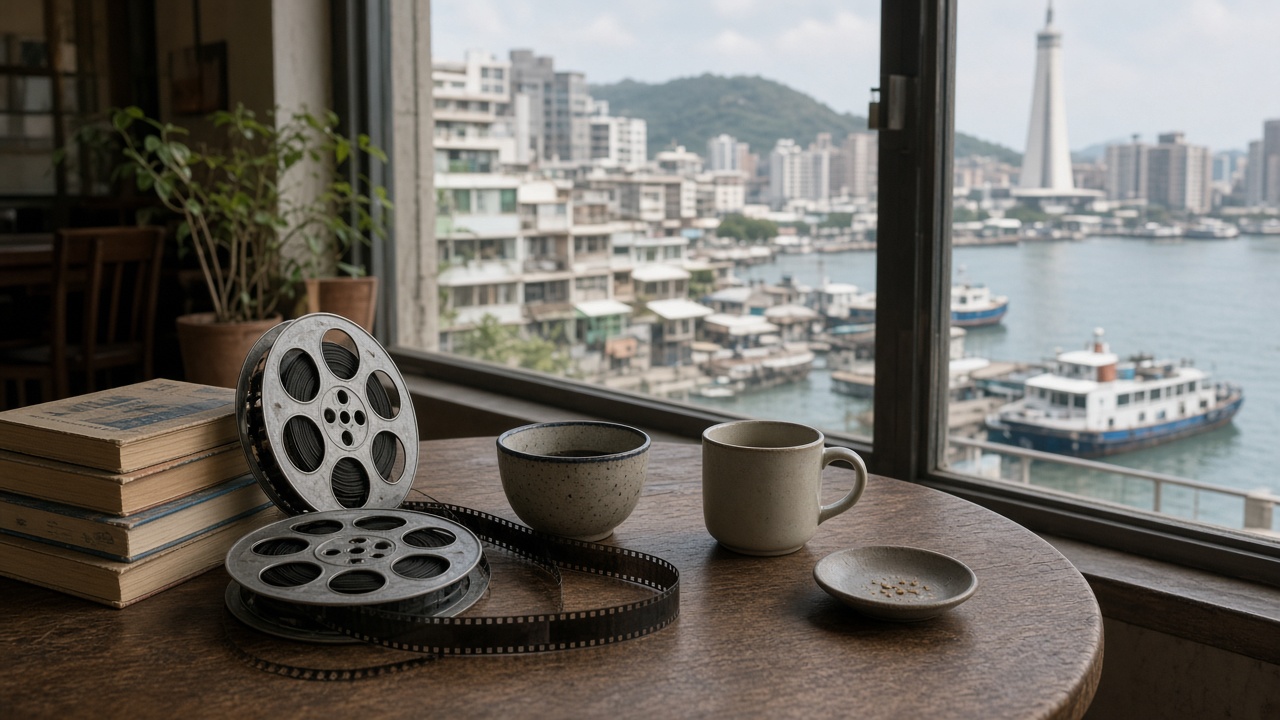
Hong Kong books and film materials abroad suggesting culture surviving beyond the city

When Hong Kong police raided two independent bookstores in July 2026, the story did not remain inside the city. In Taiwan, the words “I am a bookstore employee” spread across social media as a message of solidarity with the arrested booksellers. A police operation intended to restrict certain books had instead attracted new attention to them.

2026年7月に香港警察が二つの独立書店を手入れしたとき、その話は市内にとどまりませんでした。台湾では、「私は書店の従業員です」という言葉が、逮捕された書店員への連帯のメッセージとしてソーシャルメディアに広がりました。特定の本を制限することを意図した警察の作戦は、代わりにそれらへの新しい注目を集めました。

One title connected to the raids was Emily Feng’s Let Only Red Flowers Bloom, a book about ideological control in China. It had previously received little attention in Taiwan, but demand suddenly surged after the arrests. Bookstores sold out, and its Taiwanese publisher ordered a reprint of 10,000 copies. The attempt to discourage people from reading the book appeared to backfire: the controversy made more people curious.

手入れに関係した一冊は、中国におけるイデオロギー的統制についての本、エミリー・フェンの『Let Only Red Flowers Bloom』でした。それは以前台湾ではほとんど注目を集めていませんでしたが、逮捕のあと需要が突然急増しました。書店は売り切れ、台湾の出版社は1万部の増刷を注文しました。人々がその本を読むのを思いとどまらせようとする試みは裏目に出たように見えました。論争がより多くの人の好奇心をかき立てたのです。

Taiwan has become an important base for Chinese-language books that may be difficult to publish or sell in Hong Kong. Former Hong Kong booksellers have reopened businesses there, while writers and publishers can discuss subjects that face tighter restrictions elsewhere. Books can also reach readers through overseas stores and digital platforms. Culture does not always disappear when one door closes; sometimes it finds another route.

台湾は、香港では出版または販売が難しいかもしれない中国語の本にとって、重要な拠点になっています。元香港の書店主がそこで事業を再開し、作家と出版社は、他の場所ではより厳しい制限に直面する題材を議論できます。本はまた、海外の店とデジタルプラットフォームを通じて読者に届くこともあります。一つの扉が閉じても、文化がいつも消えるわけではありません。時には別の道を見つけるのです。

A similar change is taking place in cinema. Some Hong Kong filmmakers now make or screen their work in Taiwan and other countries, where they can address political or social issues more freely. International festivals allow these films to reach an audience even when they cannot be shown in Hong Kong. By continuing to work in Cantonese and telling Hong Kong stories, these filmmakers help preserve part of the city’s identity outside its borders.

似た変化が映画でも起きています。一部の香港の映画制作者は今、台湾や他の国で作品を製作または上映し、そこで政治的または社会的問題により自由に取り組むことができます。国際映画祭は、香港で上映できないときでも、これらの映画が観客に届くことを可能にします。広東語で仕事を続け、香港の物語を語ることで、これらの映画制作者は国境の外で市のアイデンティティの一部を保つ助けをしています。

However, moving cultural work overseas cannot fully protect Hong Kong’s cultural life. Artists abroad may be freer to discuss sensitive subjects, but their work may have difficulty reaching audiences inside Hong Kong. Creators who remain in the city can stay close to local audiences, but they may have to limit what they say. The cultural community can therefore become fragmented: greater freedom exists outside Hong Kong, while direct access to local audiences remains inside it.

しかし、文化的な仕事を海外へ移すことは、香港の文化生活を完全に守ることはできません。海外の芸術家は繊細な題材をより自由に議論できるかもしれませんが、その作品が香港内の観客に届くのは難しいかもしれません。市内に残る創作者は地元の観客に近くいられますが、言うことを制限しなければならないかもしれません。したがって文化共同体は断片化しえます。より大きな自由は香港の外にあり、地元の観客への直接のアクセスは市内に残るのです。

Still, survival abroad is not a complete solution. Artists who relocate may lose contact with their original audience, while creators who remain in Hong Kong may avoid sensitive subjects. Publishing and filmmaking can become fragmented, with some work produced inside the city and other work created for audiences overseas. A culture may continue to exist while the community that created it becomes divided.

それでも、海外での生存は完全な解決策ではありません。移住する芸術家は元の観客との接触を失うかもしれず、香港に残る創作者は繊細な題材を避けるかもしれません。出版と映画製作は断片化しえ、一部の仕事は市内で作られ、他の仕事は海外の観客向けに作られます。それを生み出した共同体が分断されながらも、文化は存在し続けることがあります。

Governments can close bookstores, restrict screenings, or make artists uncertain about what is permitted. They cannot always control where stories travel or how audiences respond. Hong Kong’s cultural future may not resemble its celebrated past, but it has not been erased. It is being reshaped in Hong Kong, Taiwan, and wherever people continue to read its books, watch its films, and tell its stories.

政府は書店を閉じたり、上映を制限したり、何が許されるかについて芸術家を不確かにするかもしれません。彼らは、物語がどこへ旅するか、観客がどう反応するかをいつも管理できるわけではありません。香港の文化の未来は、祝われた過去に似ていないかもしれませんが、消し去られてはいません。それは香港、台湾、そして人々が香港の本を読み、映画を見、物語を語り続けるあらゆる場所で、形を変えつつあります。

Vocabulary

  1. solidarity — support between people who share a common interest, experience, or goal. Example: Writers expressed solidarity with the journalist after her arrest.
  2. surge — to increase suddenly and strongly. Example: Demand for the book may surge after it is discussed on television.
  3. reprint — a new printing of a book that has already been published. Example: The publisher ordered a reprint after every copy was sold.
  4. backfire — to have the opposite result from the one that was intended. Example: The attempt to hide the report may backfire and attract greater public attention.
  5. reach an audience — to successfully communicate with or become available to a group of people. Example: Online platforms allow independent filmmakers to reach an audience overseas.
  6. preserve — to protect something and keep it from being lost or destroyed. Example: The community created an archive to preserve its local history.
  7. relocate — to move to a different place in order to live or work there. Example: The artist may relocate to another country and continue her work there.
  8. fragmented — separated into smaller parts that are no longer fully connected. Example: The organization became fragmented after many members moved overseas.
  9. erase — to remove something completely or cause it to be forgotten. Example: Political pressure cannot easily erase people’s memories of the past.

Comprehension Questions

  1. What happened in Taiwan after the Hong Kong bookstore raids?
    1. All independent bookstores were closed.
    2. People stopped buying books about China.
    3. A message supporting the booksellers spread online.
    4. The Taiwanese government prohibited the books.

    香港の書店手入れのあと、台湾で何が起きましたか?

  2. How did the raids affect sales of Emily Feng’s book?
    1. Demand increased sharply.
    2. The publisher canceled the book.
    3. Its price fell immediately.
    4. It disappeared from Taiwanese stores permanently.

    手入れはエミリー・フェンの本の売上にどう影響しましたか?

  3. How can overseas film festivals help Hong Kong filmmakers?
    1. They guarantee that every film will make a profit.
    2. They allow films to reach audiences outside Hong Kong.
    3. They remove Cantonese dialogue from films.
    4. They prevent filmmakers from discussing social issues.

    海外の映画祭は香港の映画制作者をどう助けられますか?

  4. What do the recent local box-office successes suggest?
    1. Hong Kong audiences are interested only in foreign films.
    2. Film censorship has completely ended.
    3. Local audiences still value Cantonese stories and familiar settings.
    4. Every Hong Kong film earns more than HK$100 million.

    最近の地元の興行収入の成功は何を示唆していますか?

  5. What is the article’s main conclusion?
    1. Hong Kong culture has already disappeared.
    2. Culture can survive pressure, although it may change location and form.
    3. All Hong Kong artists should relocate to Taiwan.
    4. Government restrictions always reduce public interest.

    記事の主な結論は何ですか?

Discussion Questions

  1. Why can an attempt to ban or restrict a book increase people’s interest in it?

    本を禁止または制限しようとする試みが、人々の関心を高めることがあるのはなぜですか?

  2. Can a culture remain closely connected to a city when many of its creators live overseas?

    多くの創作者が海外に住んでいても、文化は都市と密接につながったままでいられますか?

  3. Is preserving a language enough to preserve a culture?

    言語を保つことは、文化を保つのに十分ですか?

  4. What might artists gain and lose when they relocate?

    芸術家は移住するとき、何を得て何を失うことがありますか?

  5. Do governments have less control over culture in the age of digital media?

    デジタルメディアの時代に、政府は文化への支配力がより弱いですか?

Speaking Practice

Speak for about one minute about how Hong Kong culture is changing under political pressure.

政治的圧力の下で香港文化がどう変わっているかについて、約1分間話してください。

Include:

  • what happened in Taiwan after the bookstore raids

    書店手入れのあと台湾で何が起きたか

  • how filmmakers can reach audiences overseas

    映画制作者が海外の観客にどう届けるか

  • one sign that local Hong Kong culture remains popular

    地元の香港文化が人気を保っている兆候一つ

  • why cultural survival does not necessarily mean complete freedom

    文化の存続が必ずしも完全な自由を意味しない理由