
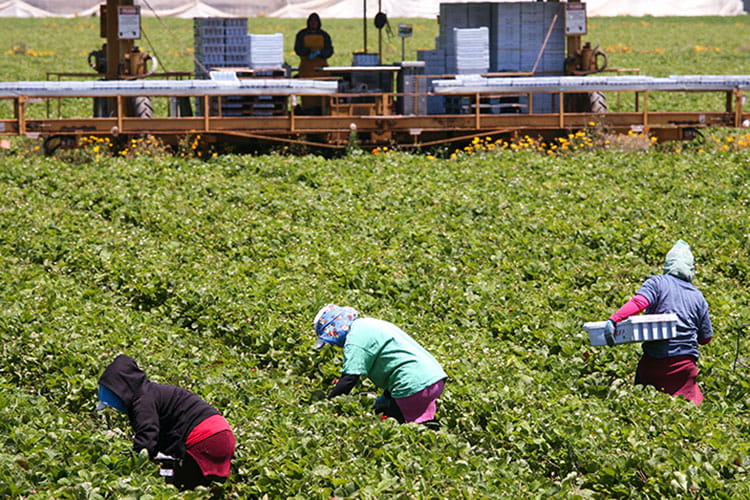
In southern Italy, the region of Calabria is famous for its oranges and other citrus fruit. Every harvest season, farms need many workers to pick, pack and move the fruit that later appears in supermarkets. Many of these workers are migrants from Africa, Asia and other parts of Europe. Without them, much of the local agricultural economy would struggle to function.
イタリア南部のカラブリア州は、オレンジをはじめとする柑橘類の産地として知られています。収穫の季節になると、農園はスーパーマーケットに並ぶ果物を摘み取り、梱包し、運搬するために多くの労働者を必要とします。こうした労働者の多くは、アフリカ、アジア、その他のヨーロッパ地域から来た移民です。彼らがいなければ、地元の農業経済の多くは機能しなくなってしまうでしょう。
Yet the people who pick the fruit often live in extremely difficult conditions. Some stay in informal camps near farming towns, with limited access to clean water, safe toilets or proper housing. Many are legally allowed to work in Italy, but their lives remain unstable. When a worker's residence permit or seasonal contract depends on paperwork, housing and employers, even a legal status can feel fragile.
しかし、果物を摘み取る人々は、しばしば非常に厳しい環境で暮らしています。中には、農業の町の近くにある非公式なキャンプに滞在し、清潔な水や安全なトイレ、まともな住居を十分に利用できない人もいます。多くはイタリアで合法的に働くことを認められていますが、その生活は不安定なままです。労働者の在留許可や季節労働契約が、書類手続き、住居、雇用主に左右される場合、たとえ合法的な地位であっても、それは脆いものに感じられることがあります。
The problem is not only about one farm or one employer. It is also about the price of food. Supermarkets and consumers often expect fruit to be cheap. Farmers may receive low prices for their produce, and that price pressure can move down the supply chain. When prices are squeezed, workers' wages and living conditions can suffer.
この問題は、一つの農園や一人の雇用主だけの問題ではありません。食品の価格そのものにも関わる問題です。スーパーマーケットや消費者は、果物が安いことを当然のように期待しがちです。農家は自分たちの生産物に対して低い価格しか得られないことがあり、その価格への圧力はサプライチェーンを通じて下流へと及んでいきます。価格が圧迫されると、労働者の賃金や生活環境が犠牲になることがあります。
Some people in Calabria are trying to create alternatives. Cooperatives and local projects are attempting to sell fruit more directly, pay fairer prices and provide better housing. Local authorities have also discussed social housing and community services for seasonal workers. These efforts show that the problem is not impossible to address, but it is much deeper than simply building a few new rooms.
カラブリアの一部の人々は、代わりとなる仕組みを作ろうと試みています。協同組合や地域のプロジェクトは、果物をより直接的に販売し、より公正な価格を支払い、より良い住居を提供しようとしています。地方自治体も、季節労働者のための公営住宅や地域サービスについて議論してきました。こうした取り組みは、この問題が解決不可能ではないことを示していますが、同時に、単に部屋をいくつか新しく建てるだけでは済まないほど根深い問題であることも示しています。
The story of Calabria's fruit pickers asks an uncomfortable question. If consumers enjoy cheap fruit, supermarkets want low prices, farmers struggle to survive, and migrants do the hardest work, who is responsible for the hidden cost? The answer is not simple. But the next time we buy a bag of oranges, we may want to think about the hands that picked them.
カラブリアの果物摘み労働者の物語は、私たちに不都合な問いを突きつけます。消費者が安い果物を楽しみ、スーパーマーケットが低価格を求め、農家が生き残るのに苦労し、移民が最もきつい仕事をこなしているとすれば、その隠れたコストの責任を負うのは誰なのでしょうか。答えは単純ではありません。しかし、次にオレンジの袋を買うとき、私たちはそれを摘み取った手のことを少し考えてみてもよいかもしれません。