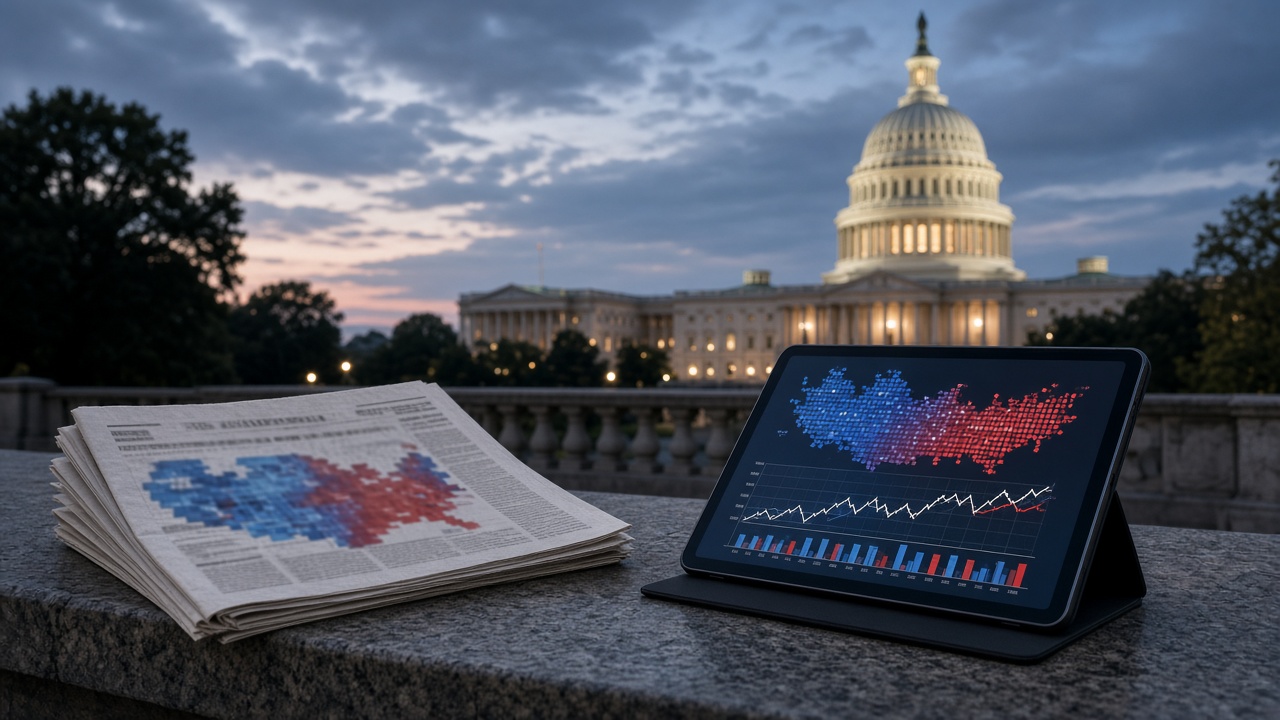
On November 4, one day after his Republican Party lost control of both the Senate and the House of Representatives, President Donald Trump was asked whether the war with Iran had cost his party the election. He acknowledged that higher gasoline prices had played a part. Yet he said he would make the same decision again, arguing that Iran must not be allowed to obtain a nuclear weapon. It was a striking response to an electoral rebuke: Trump recognized the damage to his party but refused to back down on the policy that many voters had opposed.
11月4日、共和党が上院と下院の両方の支配を失った翌日、ドナルド・トランプ大統領は、イランとの戦争が党の選挙敗北の原因になったかどうかを尋ねられました。彼は、ガソリン価格の上昇が一因だったことを認めました。それでも、同じ決断を再びすると述べ、イランに核兵器を持たせてはならないと主張しました。それは選挙による痛烈な非難への、印象的な反応でした。トランプは党への打撃を認めながらも、多くの有権者が反対した政策から引き下がることを拒んだのです。
In the November 3 midterm elections, Democrats won both the House of Representatives and the Senate. They flipped Senate seats even in traditionally Republican states. Kansas elected its first Democratic senator since 1932, while Texas elected one for the first time since 1988. Midterms take place halfway through a president’s four-year term and determine who controls Congress, which makes laws and approves federal spending. Voters were not choosing a new president, but they could limit his ability to carry out his agenda. The results reflected widespread frustration over the economy, the Iran war, and the direction of the country.
11月3日の中間選挙で、民主党は下院と上院の両方で勝利しました。彼らは、伝統的に共和党が強い州でも上院議席をひっくり返し(フリップ)ました。カンザスは1932年以来初めて民主党の上院議員を選び、テキサスは1988年以来初めて選びました。中間選挙は大統領の4年任期の中間に行われ、法律を作り連邦予算を承認する議会を誰が支配するかを決めます。有権者は新しい大統領を選んでいたわけではありませんが、大統領が政策を進める力を制限することはできました。結果は、経済、イラン戦争、そして国の方向性への広範な不満を反映していました。
The war had made everyday life more expensive. Higher oil prices pushed up the cost of gasoline and diesel. Because fuel is needed to transport food, run farms, and deliver goods, rising energy costs can ripple through the wider economy. Families pay more at the pump and again at the grocery store. Small businesses face a similar problem: their operating costs rise just as customers cut spending. The war was not the only source of frustration; tariffs and persistent inflation also mattered. But it added to pressures already felt across political divisions.
戦争は日常生活をより高くしていました。原油価格の上昇は、ガソリンとディーゼルのコストを押し上げました。燃料は食料の輸送、農場の運営、商品の配送に必要なので、エネルギーコストの上昇は広い経済に波及しえます。家庭はガソリンスタンドでより多く払い、食料品店でもまた払います。中小企業も似た問題に直面します。顧客が支出を切り詰めるまさにそのときに、運営コストが上がるのです。戦争が不満の唯一の原因ではありませんでした。関税と根強いインフレも重要でした。しかしそれは、すでに政治的立場を超えて感じられていた圧力に加わったのです。
Yet some national economic indicators still looked healthy. Stock prices were strong, and overall consumer spending had held up. Why, then, were so many Americans unhappy? The University of Michigan’s October survey showed that consumer confidence remained very low, with purchasing power a major concern. Wealthier households with large investments could continue spending, while many others struggled to make ends meet. As one economist explained to the BBC, a wealthy household may spend far more money than an ordinary household, making a much larger contribution to consumer spending figures. But in an election, each voter has only one vote, regardless of income. This helps explain why strong economic figures can coexist with widespread dissatisfaction among voters.
それでも、一部の全国的な経済指標はなお健全に見えました。株価は強く、全体の消費支出は持ちこたえていました。では、なぜこれほど多くのアメリカ人が不満だったのでしょうか。ミシガン大学の10月調査は、購買力が大きな懸念として、消費者信頼感が非常に低いままだったことを示しました。大きな投資を持つ富裕層の世帯は支出を続けられる一方、ほかの多くの人は生計を立てるのに苦労していました。ある経済学者がBBCに説明したように、富裕層の世帯は普通の世帯よりはるかに多く支出し、消費支出の数字により大きく寄与することがあります。しかし選挙では、収入に関係なく、各有権者の票は一票だけです。これは、強い経済指標と有権者の広範な不満が共存しうる理由を説明する助けになります。
The election also exposed differences within Trump’s administration. Vice President JD Vance directly blamed the Iran war for the Republican defeat, saying that an earlier recommendation to end the conflict had been sound advice. Trump, however, stood by his decision. He argued that preventing Iran from obtaining nuclear weapons was worth the political cost. His position was at odds with the demands of voters who wanted relief from the war’s economic consequences. The disagreement reflected a difficult question for the administration: how long could it continue a military campaign that was weakening support for the president at home?
選挙はまた、トランプ政権内部の違いも明らかにしました。JD・ヴァンス副大統領は、共和党の敗北をイラン戦争のせいにし、紛争を終わらせるという以前の提言は妥当な助言だったと述べました。しかしトランプは、自分の決断を守り続けました。イランが核兵器を手に入れるのを防ぐことは、政治的コストに見合うと主張したのです。彼の立場は、戦争の経済的結果からの救済を望む有権者の要求と対立していました。この意見の違いは、政権にとって難しい問いを反映していました。国内での大統領支持を弱めている軍事作戦を、いつまで続けられるのかということです。
Financial markets responded immediately. On November 4, oil prices fell by more than 8% as traders began pricing in the possibility that the election would push Washington toward negotiations rather than further military attacks. But falling oil prices did not mean that peace was near. Diplomatic progress remained uncertain, and the conflict could still intensify. Democrats are set to take control of Congress in January, giving them greater power to challenge the president’s policies. Trump, meanwhile, remains in the White House. The election has raised the political cost of the war, but it has not settled what happens next.
金融市場はすぐに反応しました。11月4日、原油価格は8%超下落しました。トレーダーが、選挙がワシントンをさらなる軍事攻撃ではなく交渉へ押しやる可能性を価格に織り込み始めたからです。しかし原油価格の下落は、平和が近いことを意味しませんでした。外交の進展はなお不確かで、紛争はなお激化しえました。民主党は1月に議会の支配を握る見通しで、大統領の政策に異議を唱えるより大きな力を得ます。そのあいだ、トランプはホワイトハウスに残ります。選挙は戦争の政治的コストを高めましたが、次に何が起きるかを決めたわけではありません。