
← News Topics

America After the Midterms

Day 2 — Democrats Won Congress. How Much Power Does Trump Still Have?

中間選挙後のアメリカ ― 第2日:民主党は議会を制した。トランプになおどれだけの権力があるのか

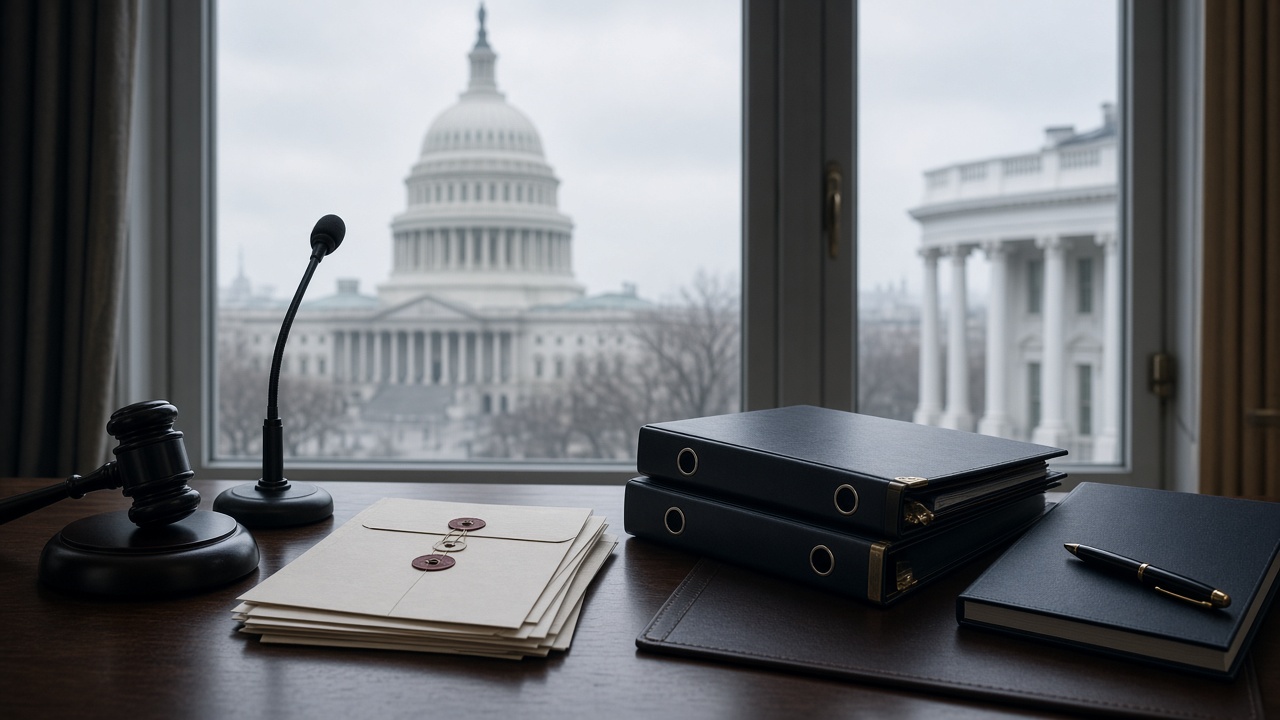
A desk scene suggesting divided government, with congressional hearing materials on one side and presidential briefing binders on the other near a window view of the Capitol

Democrats celebrated a remarkable victory in the November 3 midterm elections, winning control of both the Senate and the House of Representatives. For voters hoping to see President Donald Trump change course on the Iran war or the economy, it seemed like a turning point. But there was a catch. The newly elected Congress will not take office until January 3, 2027. And even then, Trump will remain president for another two years. The United States is entering a period of divided government, in which the president and Congress are controlled by opposing parties. So what can the Democrats actually change?

民主党は11月3日の中間選挙で目覚ましい勝利を祝い、上院と下院の両方の支配を手にしました。ドナルド・トランプ大統領にイラン戦争や経済で方針転換を望む有権者にとって、それは転換点のように見えました。しかし、落とし穴がありました。新しく選ばれた議会は2027年1月3日まで就任しません。そしてその後も、トランプはあと2年大統領のままです。アメリカは、大統領と議会が対立する党に支配される、分割政府の時期に入りつつあります。では、民主党は実際に何を変えられるのでしょうか。

One immediate change will be Congress’s ability to investigate the administration. Democratic lawmakers can lead committees, hold public hearings, and subpoena officials or documents to examine government decisions, although such demands can face legal challenges. They are expected to question how the Iran war began, how much it has cost, and whether the administration properly assessed its risks. This is part of Congress’s responsibility to hold the executive branch to account. Even without changing a law, public investigations can reveal information, increase political pressure, and force officials to explain their decisions.

すぐに変わることの一つは、政権を調査する議会の能力です。民主党の議員は委員会を率い、公開の公聴会を開き、政府の決定を調べるために当局者や文書に召喚状を出せます。ただし、そうした要求は法的な異議に直面することもあります。彼らは、イラン戦争がどのように始まり、いくらかかり、政権がリスクを適切に評価したかを問うと見られています。これは、行政部門に説明責任を負わせる議会の責任の一部です。法律を変えなくても、公開の調査は情報を明らかにし、政治的圧力を高め、当局者に決定の説明を迫ることができます。

Congress also controls federal spending, a constitutional authority known as the power of the purse. Suppose Trump asks for additional money to continue military operations against Iran. Democratic lawmakers could refuse to approve the request or try to attach conditions to the funding. They could also seek to withhold money from particular military activities through legislation. However, spending restrictions are not the same as ordering troops to return home. The administration may already have funds available, and disagreements over new spending could delay other government services as well.

議会はまた、財布の力として知られる憲法上の権限で、連邦支出を管理します。トランプがイランに対する軍事作戦を続けるための追加資金を求めたとしましょう。民主党の議員はその要求の承認を拒むか、資金に条件を付けようとすることができます。彼らはまた、立法を通じて特定の軍事活動から資金を差し控えようとすることもできます。しかし、支出の制限は、部隊に帰国を命じることと同じではありません。政権はすでに使える資金を持っている可能性があり、新しい支出をめぐる対立は、ほかの政府サービスも遅らせかねません。

The Constitution divides military authority between the president and Congress. Congress has the power to declare war and authorize military action, while the president serves as commander in chief of the armed forces. Trump launched the Iran war in February without first obtaining congressional approval, a decision that raised serious questions about presidential war powers. Democrats have repeatedly sought to restrict the conflict, but their efforts have not ended it. Even with majorities in both chambers, they cannot simply take command of the military or direct every battlefield decision. The limits of presidential and congressional authority remain a source of dispute.

憲法は軍事権限を大統領と議会のあいだで分けています。議会は戦争を宣言し軍事行動を承認する権限を持ち、大統領は軍の最高司令官を務めます。トランプは2月、まず議会の承認を得ずにイラン戦争を始め、大統領の戦争権限について深刻な疑問を投げかける決定でした。民主党は繰り返し紛争を制限しようとしてきましたが、その努力は戦争を終わらせていません。両院で多数を持っていても、彼らは単に軍の指揮を取ることも、すべての戦場の決定を指示することもできません。大統領と議会の権限の限界は、なお争いの源です。

There is another obstacle: the presidential veto. A bill normally needs approval from both houses of Congress and the president to become law. If Trump rejects a Democratic bill, lawmakers can override his veto only with a two-thirds majority in both chambers—a much higher requirement than a simple majority. In the Senate, many bills also need 60 votes to overcome procedural opposition before reaching a final vote. This means Democrats will often need Republican support to achieve their goals. Trump, meanwhile, can continue using executive powers in areas where existing law permits him to act without new legislation.

もう一つの障害があります。大統領の拒否権です。法案は通常、議会両院と大統領の承認を得て法律になります。トランプが民主党の法案を拒めば、議員は両院で三分の二の多数によってのみ拒否権を覆せます。それは単純多数よりもはるかに高い要件です。上院では、多くの法案は最終投票に至る前に、手続上の反対を乗り越えるために60票も必要です。これは、民主党が目標を達成するためにしばしば共和党の支持を必要とすることを意味します。そのあいだ、トランプは、既存の法律が新しい立法なしに行動することを認める分野で、行政権限を使い続けることができます。

Interestingly, some investors welcomed the Democratic victory. Financial markets sometimes favor political gridlock because competing parties may prevent sudden changes in taxes, spending, or business regulations. US stocks rose after the election, partly reflecting expectations of fewer unexpected policy shifts. But what reassures investors does not necessarily help voters struggling with gasoline, food, and housing costs. Both parties may have to negotiate to deliver meaningful changes, even as they prepare to compete again in the 2028 presidential election. The midterms gave Democrats more power to challenge Trump, but winning the authority to block a president is not the same as gaining the power to solve the problems that brought voters to the polls.

興味深いことに、一部の投資家は民主党の勝利を歓迎しました。金融市場はときに政治的膠着を好みます。対立する党が、税金、支出、またはビジネス規制の突然の変化を防ぎうるからです。米株は選挙後に上昇し、予期せぬ政策転換が減るという期待を部分的に反映しました。しかし、投資家を安心させるものが、ガソリン、食料、住宅コストに苦しむ有権者を必ずしも助けるわけではありません。両党は、2028年の大統領選挙で再び競う準備をしつつ、意味のある変化を届けるために交渉しなければならないかもしれません。中間選挙は民主党にトランプに異議を唱えるより大きな力を与えましたが、大統領を妨げる権限を得ることと、有権者を投票所に向かわせた問題を解決する力を得ることとは同じではありません。

Vocabulary

  1. catch — A hidden difficulty or disadvantage in a situation that otherwise seems attractive or favorable. Example: The job offered a high salary, but there was a catch: employees had to work every weekend.
  2. divided government — A political situation in which the president’s party does not control one or both houses of Congress. Example: Divided government can make it difficult for a president to pass major legislation.
  3. subpoena — To officially order someone to appear before a court or an investigating authority, or to provide evidence or documents. Example: The congressional committee subpoenaed several officials to testify about government spending.
  4. hold someone to account — To require someone to explain or take responsibility for their actions or decisions. Example: Opposition lawmakers promised to hold the government to account for its handling of the crisis.
  5. power of the purse — The authority to control how public money is collected or spent, especially the legislature’s control over government funding. Example: Congress can use its power of the purse to influence the administration’s military policies.
  6. withhold — To refuse to give or provide something that is expected or requested. Example: Lawmakers threatened to withhold funding until the agency explained how the money would be used.
  7. commander in chief — The person who has supreme authority over a country’s armed forces. Example: The president, as commander in chief, ordered the military to respond to the attack.
  8. veto — The official power to reject a proposed law or decision, or an act of using that power. Example: The president used his veto to block the spending bill passed by Congress.
  9. override — To use legal authority to cancel or overturn a decision, especially a presidential veto. Example: Congress can override a presidential veto if enough lawmakers support the bill.
  10. gridlock — A situation in which political disagreement prevents decisions from being made or action from being taken. Example: Political gridlock delayed the passage of the national budget for several months.

Comprehension Questions

  1. Why will the Democratic victory in the midterm elections not immediately change the balance of power in Washington?
    1. The Senate and House of Representatives will not meet again until 2028.
    2. The newly elected Congress will not take office until January 3, 2027, and Trump will remain president.
    3. The president can cancel the election results if his party loses control of Congress.
    4. Democrats must win a presidential election before they can control either house of Congress.

    中間選挙での民主党の勝利が、ワシントンの権力バランスをすぐに変えないのはなぜですか?

  2. What can congressional committees do when investigating the administration?
    1. Directly remove government officials without any legal procedures.
    2. Issue executive orders that automatically change government policy.
    3. Replace the president’s military commanders.
    4. Hold hearings and require officials or documents to be produced through subpoenas.

    政権を調査するとき、議会委員会は何ができますか?

  3. How could Democrats use Congress’s power of the purse to influence the Iran war?
    1. They could refuse additional funding or seek to attach conditions to military spending.
    2. They could automatically order all American troops to return home.
    3. They could take direct command of military operations.
    4. They could cancel all previously approved government spending without legislation.

    民主党は、議会の財布の力を使ってイラン戦争にどう影響を与えうるでしょうか?

  4. How does the US Constitution divide military authority between Congress and the president?
    1. Congress controls all military operations, while the president has no military authority.
    2. The president alone has the constitutional power to declare war.
    3. Congress has the power to declare war, while the president serves as commander in chief.
    4. The Supreme Court must approve every military operation before it begins.

    合衆国憲法は、議会と大統領のあいだで軍事権限をどのように分けていますか?

  5. Why might Democrats still struggle to pass legislation despite controlling both houses of Congress?
    1. The Constitution prohibits divided government from passing new laws.
    2. Every bill requires unanimous approval from both houses.
    3. The president can permanently reject any bill without the possibility of congressional action.
    4. Trump can veto legislation, and overriding his veto requires a two-thirds majority in both chambers.

    両院を支配していても、民主党がなお立法の可決に苦労しうるのはなぜですか?

Discussion Questions

  1. Congressional investigations can reveal information and hold government officials accountable, but they can also become political battles. What makes an investigation effective and credible, and how can lawmakers prevent it from becoming merely a tool for attacking their opponents?

    議会調査は情報を明らかにし、政府当局者に説明責任を負わせられますが、政治的な戦いにもなりえます。調査を効果的で信頼できるものにするのは何でしょうか。また、議員はそれを反対勢力を攻撃するだけの道具にならないよう、どう防げるでしょうか?

  2. Congress can use its power of the purse to influence military operations, even though the president is commander in chief. What are the advantages and possible risks of allowing legislators to restrict military funding during an ongoing conflict?

    大統領が最高司令官であるにもかかわらず、議会は財布の力を使って軍事作戦に影響を与えられます。進行中の紛争のあいだ、立法府が軍事資金を制限できることの利点と、ありうるリスクは何でしょうか?

  3. The president can direct military operations, while Congress has the power to declare war. Why might the US Constitution divide military authority between these two branches? What problems can arise when they disagree about an ongoing conflict?

    大統領は軍事作戦を指揮でき、一方で議会は戦争を宣言する権限を持ちます。合衆国憲法が軍事権限をこの二つの部門のあいだで分けるのはなぜでしょうか。進行中の紛争について両者が意見を異にするとき、どのような問題が生じうるでしょうか?

  4. Under divided government, presidents may face opposition from Congress, while lawmakers may find it difficult to pass legislation because of the presidential veto. How can this system prevent abuses of power, and under what circumstances might it make government less effective?

    分割政府のもとでは、大統領は議会からの反対に直面しうる一方、議員は大統領の拒否権のために立法を通すのが難しくなりえます。この制度は権力の乱用をどう防ぎうるでしょうか。また、どのような状況では政府をより効果的でなくしうるでしょうか?

  5. Some investors welcome political gridlock because it may reduce the likelihood of major policy changes. Why might stability be attractive to financial markets while frustrating voters who want action on living costs? How could political leaders balance these different expectations?

    一部の投資家は、大きな政策変更の可能性を減らしうるために政治的膠着を歓迎します。安定が金融市場にとって魅力的でありながら、生活費への対応を求める有権者をいらだたせうるのはなぜでしょうか。政治指導者はこれらの異なる期待をどうバランスさせうるでしょうか?

Speaking Practice

One-Minute News Briefing

Imagine that a colleague asks you why President Trump will still have considerable power even after Democrats take control of Congress. Give a short explanation of approximately one minute, covering the following points: What divided government means and when the new Congress will take office. How Democrats could investigate the administration or influence military spending. Why Congress cannot simply order the president to end the Iran war. How the presidential veto could limit Democratic legislation. Try to use at least three expressions from today’s Vocabulary.

1分ニュース・ブリーフィング。同僚が、民主党が議会を制した後でもトランプ大統領になおかなりの権力があるのはなぜかと尋ねてきたつもりで話してください。およそ1分で、次の点をカバーしてください。分割政府が何を意味し、新しい議会がいつ就任するか。民主党が政権を調査したり軍事支出に影響を与えたりしうる方法。議会が大統領にイラン戦争を終わらせるよう単に命じられないのはなぜか。大統領の拒否権が民主党の立法をどう制限しうるか。今日のVocabularyから少なくとも三つの表現を使ってください。