
← News Topics

When Mountains Become Dangerous

Day 2: Did Climate Change Cause the Glacier Collapse?

山が危険になるとき ― 第2日:気候変動が氷河の崩壊を引き起こしたのか

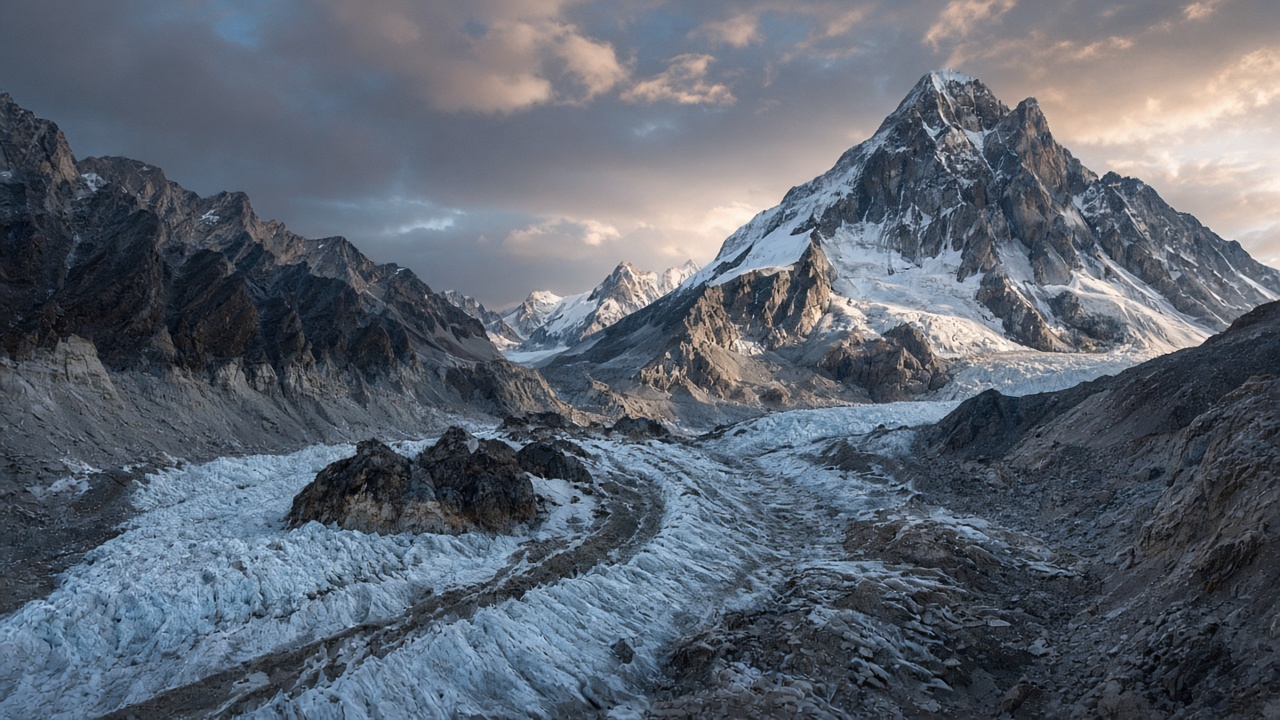
Thinning Himalayan glacier and exposed rock suggesting mountain warming

After the Nepal–Tibet disaster, one question quickly appeared: did climate change cause the glacier collapse? A simpler answer would be compelling, but scientists are more careful. It would be misleading to attribute the collapse to climate change alone. Climate change did not push one visible button and make the mountain fall. However, rising temperatures may have slowly weakened the mountain until a major failure became much more likely.

ネパールとチベットの災害のあと、一つの問いがすぐに現れました。気候変動が氷河の崩壊を引き起こしたのか?より単純な答えは説得力があるでしょうが、科学者はより慎重です。崩壊を気候変動だけに帰するのは誤解を招くでしょう。気候変動は目に見える一つのボタンを押して山を崩したのではありません。しかし気温の上昇は、大きな失敗がはるかに起きやすくなるまで、山をゆっくり弱めたのかもしれません。

Scientists distinguish between a trigger and an underlying condition. A trigger is the final event that starts a disaster. It might be intense rain, rapid melting, or the sudden failure of part of a slope. An underlying condition develops over a much longer period. In this case, decades of warming had been changing the ice, rock, and temperature inside the Himalayan mountain.

科学者は、きっかけと根底にある条件を区別します。きっかけは災害を始める最後の出来事です。激しい雨、急速な融解、または斜面の一部の突然の失敗かもしれません。根底にある条件は、はるかに長い期間にわたって発達します。この場合、何十年もの温暖化が、ヒマラヤの山の内部の氷、岩、温度を変えてきていました。

One important change involves permafrost, or ground that normally remains frozen for at least two years. In high mountains, frozen water inside cracks can help hold rocks together. As the climate warms, this ice begins to thaw. Water can then enter the cracks and freeze again, gradually making them larger. Repeated freezing and thawing can destabilize an entire mountainside.

重要な変化の一つは永久凍土、つまり通常少なくとも二年間凍ったままの地面に関わります。高い山では、割れ目の中の凍った水が岩をまとめておく助けとなりえます。気候が温暖になると、この氷は解け始めます。すると水が割れ目に入り再び凍り、徐々にそれらを大きくします。繰り返される凍結と融解は、山腹全体を不安定にしえます。

The glaciers themselves are also changing. Many Himalayan glaciers are becoming thinner and continuing to retreat up their valleys. The area around Langtang Lirung has warmed by about 2°C since pre-industrial times. Researchers also estimate that the height above which temperatures normally remain below freezing in the Himalayas is rising by roughly 100 metres per decade. Rock that was once permanently frozen is therefore becoming exposed and less stable.

氷河そのものも変わっています。多くのヒマラヤの氷河はより薄くなり、谷を上へ後退し続けています。ランタン・リルン周辺の地域は、産業革命前にくらべて約2°C温暖になりました。研究者はまた、ヒマラヤで気温が通常氷点下にとどまる高さは、およそ10年ごとに100メートル上がっていると推計しています。したがってかつては永久に凍っていた岩が露出し、より不安定になっています。

Climate change was not the only possible factor. The powerful Nepal earthquake of 2015 may have damaged rock deep inside the mountain. Heavy snowfall in late 2025, followed by unusually warm conditions and rapid melting in 2026, may also have increased the pressure on the slope. Each factor could have preconditioned the mountain for failure without causing the disaster by itself.

気候変動が唯一の可能な要因ではありませんでした。2015年の強力なネパール地震が、山の奥深くの岩を損なったのかもしれません。2025年末の大雪に続き、2026年の異常に暖かい条件と急速な融解も、斜面への圧力を高めたのかもしれません。それぞれの要因は、それ自体で災害を引き起こすことなく、失敗に向けて山を事前に条件づけることができたのです。

Scientists therefore describe the collapse as a compound event. Global warming, glacier loss, thawing ground, earlier earthquake damage, and short-term weather may all have interacted. It is extremely difficult to calculate the exact probability of such a rare geological event. Researchers can say that warming made the conditions more dangerous, but they cannot identify one moment when climate change “caused” the mountain to fall.

したがって科学者は、この崩壊を複合事象と述べます。地球温暖化、氷河の喪失、解ける地面、以前の地震被害、短期の天候がすべて相互作用したのかもしれません。そのようなまれな地質事象の正確な確率を計算するのは極めて難しいです。研究者は、温暖化が条件をより危険にしたと言えるかもしれませんが、気候変動が山を「崩した」一つの瞬間を特定することはできません。

This distinction matters far beyond Nepal. Governments need to prepare for hazards that are being changed by warming, but they cannot monitor every glacier and mountain slope. Reducing future warming may lower the long-term danger, while warning systems, safer construction, and evacuation planning can reduce present risks. Climate change does not explain every detail of the disaster, but ignoring its influence would leave an important part of the story untold.

この区別はネパールをはるかに超えて重要です。政府は温暖化によって変わりつつある危険に備える必要がありますが、すべての氷河と山の斜面を監視することはできません。将来の温暖化を減らすことは長期的な危険を下げるかもしれず、一方で警報システム、より安全な建設、避難計画は現在のリスクを減らせます。気候変動は災害のすべての詳細を説明しませんが、その影響を無視することは、物語の重要な一部を語られないままにするでしょう。

Vocabulary

  1. compelling — very interesting or convincing, making people pay attention or believe something. Example: The satellite images provided compelling evidence that part of the mountain had moved.
  2. attribute A to B — to consider B to be the cause or origin of A. Example: Scientists are careful when they attribute A to B in a complex disaster.
  3. trigger — an event or action that causes something else to begin. Example: Several hours of intense rain may trigger a landslide near the village.
  4. underlying condition — a situation that already exists and helps produce a later problem. Example: Weak soil was an underlying condition that increased the danger.
  5. permafrost — ground that remains frozen for at least two consecutive years. Example: Rising temperatures are causing mountain permafrost to thaw.
  6. destabilize — to make something less stable and more likely to fail or change suddenly. Example: Continued erosion may destabilize the slope above the road.
  7. retreat — to move backward or become smaller in area, especially when describing a glacier. Example: The glacier may retreat several hundred metres in coming decades.
  8. precondition — to create conditions that make a later event more likely. Example: Years of water damage may precondition the wall to collapse.
  9. compound event — a serious event produced by two or more hazards or conditions acting together. Example: The storm became a compound event when heavy rain, high tides, and strong winds occurred together.

Comprehension Questions

  1. Why are scientists careful about attributing the collapse entirely to climate change?
    1. Climate change has no effect on mountain regions.
    2. The glacier had already disappeared before the disaster.
    3. Several long-term and short-term factors may have interacted.
    4. No temperature records exist for the Himalayas.

    科学者が崩壊をすべて気候変動に帰することに慎重なのはなぜですか?

  2. What is the difference between a trigger and an underlying condition?
    1. A trigger starts an event, while an underlying condition develops over time.
    2. A trigger is always natural, while an underlying condition is always human-made.
    3. A trigger can be measured, but an underlying condition cannot.
    4. A trigger occurs after a disaster, while an underlying condition occurs during it.

    きっかけと根底にある条件の違いは何ですか?

  3. How can thawing permafrost weaken a mountainside?
    1. It makes the mountain permanently colder.
    2. It prevents water from entering cracks.
    3. It causes glaciers to move toward lower valleys.
    4. It removes ice that helps hold rocks together.

    解ける永久凍土はどのように山腹を弱めえますか?

  4. What additional factor may have weakened the mountain before 2026?
    1. The construction of an international airport
    2. The Nepal earthquake of 2015
    3. A volcanic eruption in Tibet
    4. A long period without snow

    2026年より前に山を弱めたかもしれない追加の要因は何ですか?

  5. What conclusion do scientists consider most reasonable?
    1. Climate change was the only cause of the collapse.
    2. The disaster had no connection to rising temperatures.
    3. Warming probably made the conditions more dangerous but does not explain every detail.
    4. Scientists can calculate the exact date of the next collapse.

    科学者が最も妥当だと考える結論は何ですか?

Discussion Questions

  1. Why is it important to distinguish between a trigger and an underlying condition?

    きっかけと根底にある条件を区別することが重要なのはなぜですか?

  2. Do you think news reports sometimes describe climate change as a cause too quickly?

    ニュース報道はときに気候変動を原因としてあまりに早く述べるとあなたは思いますか?

  3. How should scientists communicate conclusions when some details remain uncertain?

    一部の詳細が不確かなままのとき、科学者は結論をどう伝えるべきですか?

  4. Should governments spend more money monitoring glaciers and unstable mountain slopes?

    政府は氷河と不安定な山の斜面を監視するためにより多くの金を使うべきですか?

  5. Who should help poorer countries pay for disasters made more likely by global warming?

    地球温暖化によってより起きやすくなった災害の費用を、誰が貧しい国が払うのを助けるべきですか?

Speaking Practice

Speak for about one minute about the connection between climate change and the Nepal glacier collapse.

気候変動とネパールの氷河崩壊のつながりについて、約1分間話してください。

Include:

  • the difference between a trigger and an underlying condition

    きっかけと根底にある条件の違い

  • how warming can affect permafrost and glaciers

    温暖化が永久凍土と氷河にどう影響しうるか

  • one factor other than climate change

    気候変動以外の要因一つ

  • why scientists avoid saying that climate change was the only cause

    科学者が気候変動が唯一の原因だと言うのを避ける理由

Use at least three vocabulary expressions from the article.

記事の語彙表現を少なくとも三つ使ってください。