
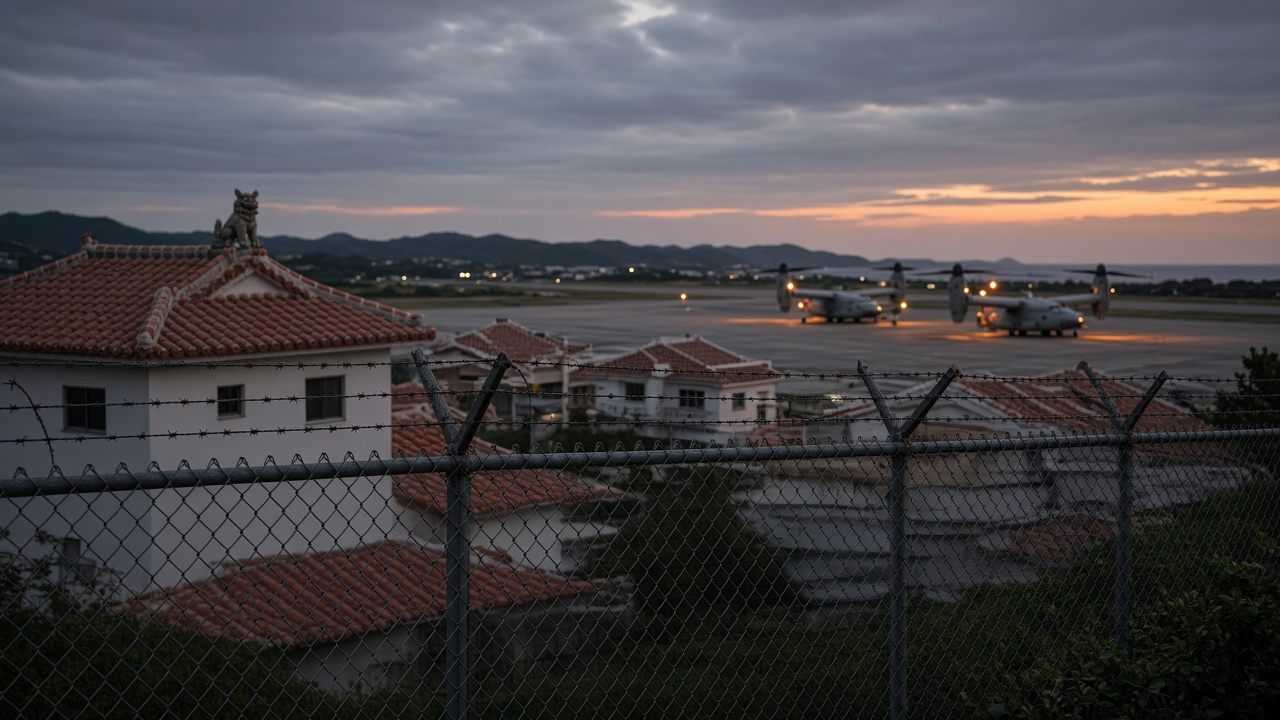
On October 4, Japanese police arrested a 20-year-old U.S. Marine stationed at Futenma Air Station in Okinawa. He is suspected of robbing and killing Anna Yagi, a 39-year-old woman, at a hotel in Naha. The Marine has denied the allegations, and the investigation is continuing. Therefore, he must be treated as a suspect unless and until he is convicted.
10月4日、日本の警察は、沖縄の普天間飛行場に駐留する20歳の米海兵隊員を逮捕しました。この隊員は、那覇市のホテルで39歳の女性、八木アンナさんから金品を奪い、殺害した疑いが持たれています。海兵隊員は容疑を否認しており、捜査は続いています。したがって、有罪が確定しない限り、彼は容疑者として扱われなければなりません。
The arrest caused widespread outrage. The Japanese government formally protested to the United States and demanded full cooperation with the investigation and effective preventive measures. The U.S. military initially ordered a 48-hour pause in operations, restricted off-base activities and banned alcohol. It then introduced a 30-day midnight-to-5 a.m. curfew and mandatory training on discipline. Protests were also held in Okinawa and Tokyo.
この逮捕は、広く激しい怒りを呼びました。日本政府はアメリカに正式に抗議し、捜査への全面的な協力と実効性のある再発防止策を求めました。米軍はまず、48時間の活動停止を命じ、基地外での活動を制限し、飲酒を禁止しました。その後、午前0時から午前5時までの30日間の外出禁止令と、規律に関する研修の義務化を導入しました。沖縄と東京では抗議活動も行われました。
Past cases involving U.S. personnel have drawn criticism of the Japan–U.S. Status of Forces Agreement, or SOFA. This agreement sets rules for U.S. forces stationed in Japan, including how criminal cases involving service members are handled. One controversial rule concerns suspects already in U.S. military custody. Even when Japan has the right to prosecute the case, the United States normally keeps custody until Japanese prosecutors formally bring charges—a step called indictment. Japanese authorities may therefore investigate a case without having custody of the suspect.
米軍関係者が関わった過去の事件は、日米地位協定(SOFA)への批判を招いてきました。この協定は、日本に駐留する米軍についてのルールを定めており、その中には軍人が関わる刑事事件の扱い方も含まれます。議論を呼んでいるルールの一つは、すでに米軍の管理下にある容疑者に関するものです。日本に事件を起訴する権利がある場合でも、日本の検察が正式に罪を問う、つまり起訴するまでは、通常アメリカが身柄を確保し続けます。そのため日本の当局は、容疑者の身柄を確保しないまま事件を捜査することがあります。
That particular problem did not arise here. Japanese police arrested the Marine themselves and have held him since the arrest. They did not need the U.S. military to hand him over. The SOFA rule that has complicated the transfer of suspects in some earlier cases therefore did not prevent Japan from taking custody in this case.
今回は、その問題は生じませんでした。日本の警察が自ら海兵隊員を逮捕し、逮捕以来、身柄を拘束しています。米軍に身柄を引き渡してもらう必要はありませんでした。そのため、以前のいくつかの事件で容疑者の引き渡しを難しくしてきた地位協定のルールは、今回、日本が身柄を確保することを妨げませんでした。
Why, then, has the case reignited debate about the agreement? The answer lies partly in Okinawa’s collective memory. Serious crimes involving U.S. personnel, including the 1995 rape of a 12-year-old girl, produced deep anger over the military presence and the handling of suspects. As a result, many residents do not see a new incident as an isolated event. Even when the same legal problem does not occur, an arrest can reopen an older wound and weaken trust once again.
では、なぜこの事件は協定をめぐる議論を再燃させたのでしょうか。その答えの一部は、沖縄の集合的記憶にあります。1995年に起きた12歳の少女への性的暴行事件をはじめ、米軍関係者が関わった重大な犯罪は、軍の駐留と容疑者の扱いに対する深い怒りを生みました。その結果、多くの住民は新たな事件を単独の出来事とは見なしません。同じ法的問題が起きない場合でも、一つの逮捕が古い傷を再び開き、信頼をまた損なうことがあるのです。