
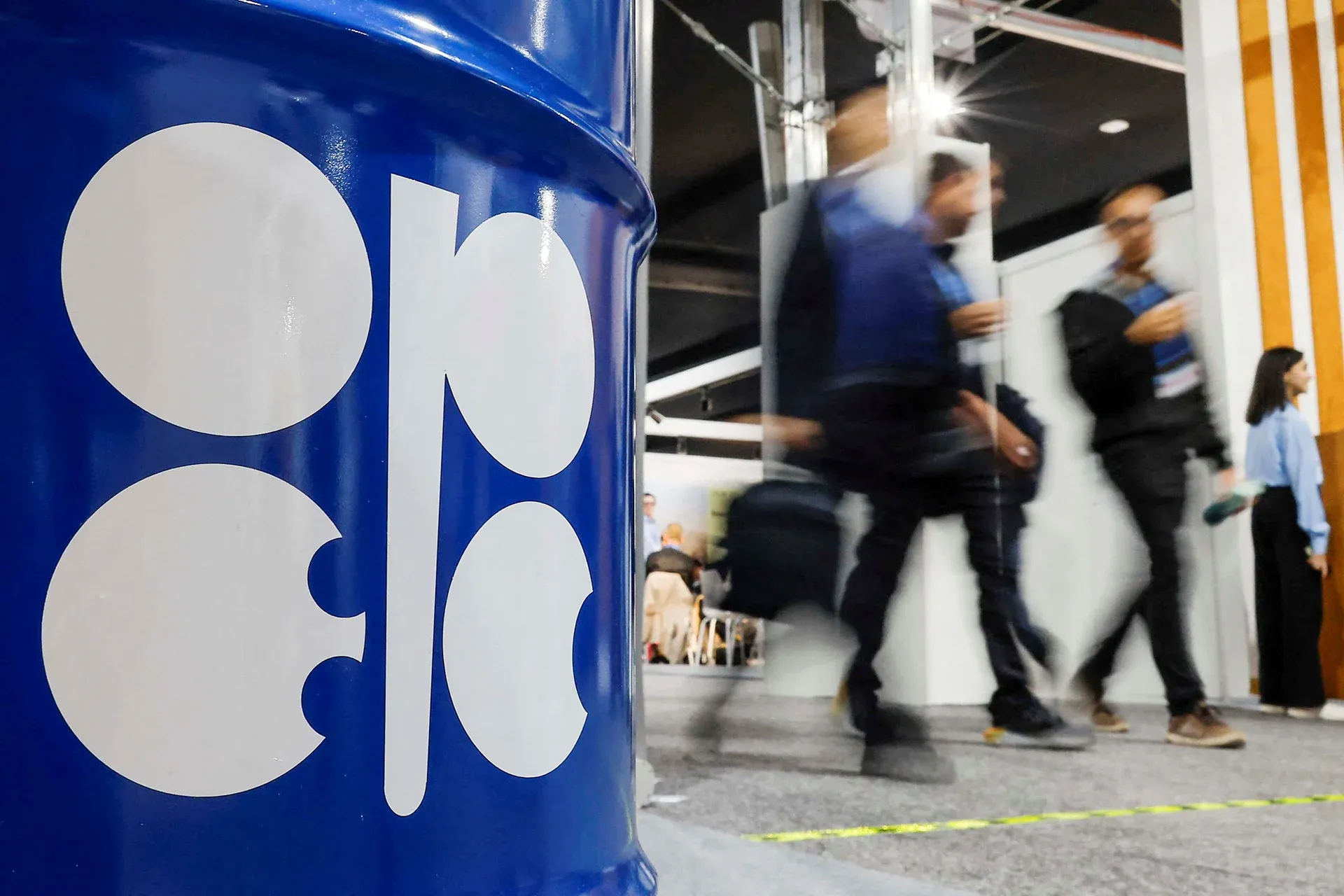
The United Arab Emirates' decision to leave OPEC marks a significant moment for the global oil market. For nearly 60 years, the UAE was part of the Organization of the Petroleum Exporting Countries, a group that coordinates oil production among major exporters. By managing supply, OPEC has long tried to stabilize prices, protect producers' revenues and influence the balance between energy supply and demand.
アラブ首長国連邦(UAE)がOPECを脱退するという決定は、世界の石油市場にとって重要な出来事です。UAEは60年近くにわたり、主要な産油国が石油生産を調整する組織である石油輸出国機構(OPEC)の一員でした。OPECは供給量を管理することで、長年にわたり価格の安定、産油国の収入の保護、そしてエネルギーの需給バランスへの影響力の行使を図ってきました。
The UAE's departure reflects a growing tension inside the oil-producing world. OPEC members are often expected to accept production limits in order to prevent too much oil from entering the market. Those limits can support prices, but they can also frustrate countries that have invested heavily in new production capacity. The UAE has spent billions of dollars expanding its ability to produce oil, and it wants greater autonomy over how much it can sell.
UAEの離脱は、産油国の間で高まる緊張を反映しています。OPEC加盟国は、市場に石油が過剰に供給されるのを防ぐため、生産量の制限を受け入れるよう求められることが多くあります。こうした制限は価格を支える一方で、生産能力の拡大に多額の投資をしてきた国々にとっては不満の種にもなります。UAEは石油生産能力の拡大に数十億ドルを投じており、どれだけ販売するかについてより大きな裁量を望んでいます。
The timing makes the decision especially important. Global energy markets are already under pressure from conflict in the Middle East and disruption around the Strait of Hormuz, one of the world's most important oil shipping routes. When supply is uncertain, even political decisions by individual producers can have wider effects on prices, investor expectations and energy security.
このタイミングが、今回の決定を特に重要なものにしています。世界のエネルギー市場は、中東での紛争や、世界で最も重要な石油輸送路の一つであるホルムズ海峡周辺の混乱によって、すでに圧力を受けています。供給が不安定な状況では、一国の政治的判断であっても、価格や投資家の期待、エネルギー安全保障に広範な影響を及ぼす可能性があります。
For OPEC, the UAE's exit could weaken the organization's ability to act as a unified producer group. OPEC's influence depends not only on how much oil its members produce, but also on whether they are willing to cooperate. If a major producer decides that national strategy is more important than collective restraint, other members may begin to question the value of staying within the system.
OPECにとって、UAEの離脱は統一された産油国グループとして行動する組織の能力を弱める可能性があります。OPECの影響力は、加盟国がどれだけの石油を生産するかだけでなく、協調する意思があるかどうかにも左右されます。ある主要な産油国が、集団的な自制よりも自国の戦略を優先すると判断すれば、他の加盟国もこの体制にとどまる意義を疑い始めるかもしれません。
The move also reflects a longer-term strategic calculation. Oil producers know that the world is gradually shifting toward cleaner energy, even if oil remains essential today. For a country with large reserves and rising production capacity, waiting too long could mean leaving future revenue underground. The UAE may therefore see greater production freedom as a way to maximize value while global demand remains strong.
この動きは、より長期的な戦略的判断も反映しています。産油国は、石油が今日なお不可欠である一方で、世界が徐々にクリーンエネルギーへと移行しつつあることを認識しています。豊富な埋蔵量と拡大する生産能力を持つ国にとって、あまり長く待ちすぎれば、将来得られるはずの収益を地中に残したままにしてしまうことになりかねません。そのためUAEは、世界的な需要が依然として強いうちに価値を最大化する手段として、より自由な生産体制を求めているのかもしれません。
Still, the impact is uncertain. Oil prices are shaped by many forces: conflict, shipping risks, global demand, non-OPEC production, renewable energy investment and decisions by remaining OPEC+ members. The UAE's departure is unlikely to end OPEC's influence overnight. But it does show that the politics of oil are changing, as producers balance cooperation, national interest and the uncertain future of fossil fuels.
とはいえ、その影響がどうなるかはまだ不透明です。石油価格は、紛争、輸送リスク、世界的な需要、OPEC非加盟国の生産、再生可能エネルギーへの投資、そして残るOPECプラス加盟国の判断など、多くの要因によって左右されます。UAEの離脱によってOPECの影響力が一夜にして失われることはないでしょう。しかしこの決定は、産油国が協調、国益、そして化石燃料の不透明な未来との間でバランスを取ろうとする中で、石油をめぐる政治が変化しつつあることを示しています。