
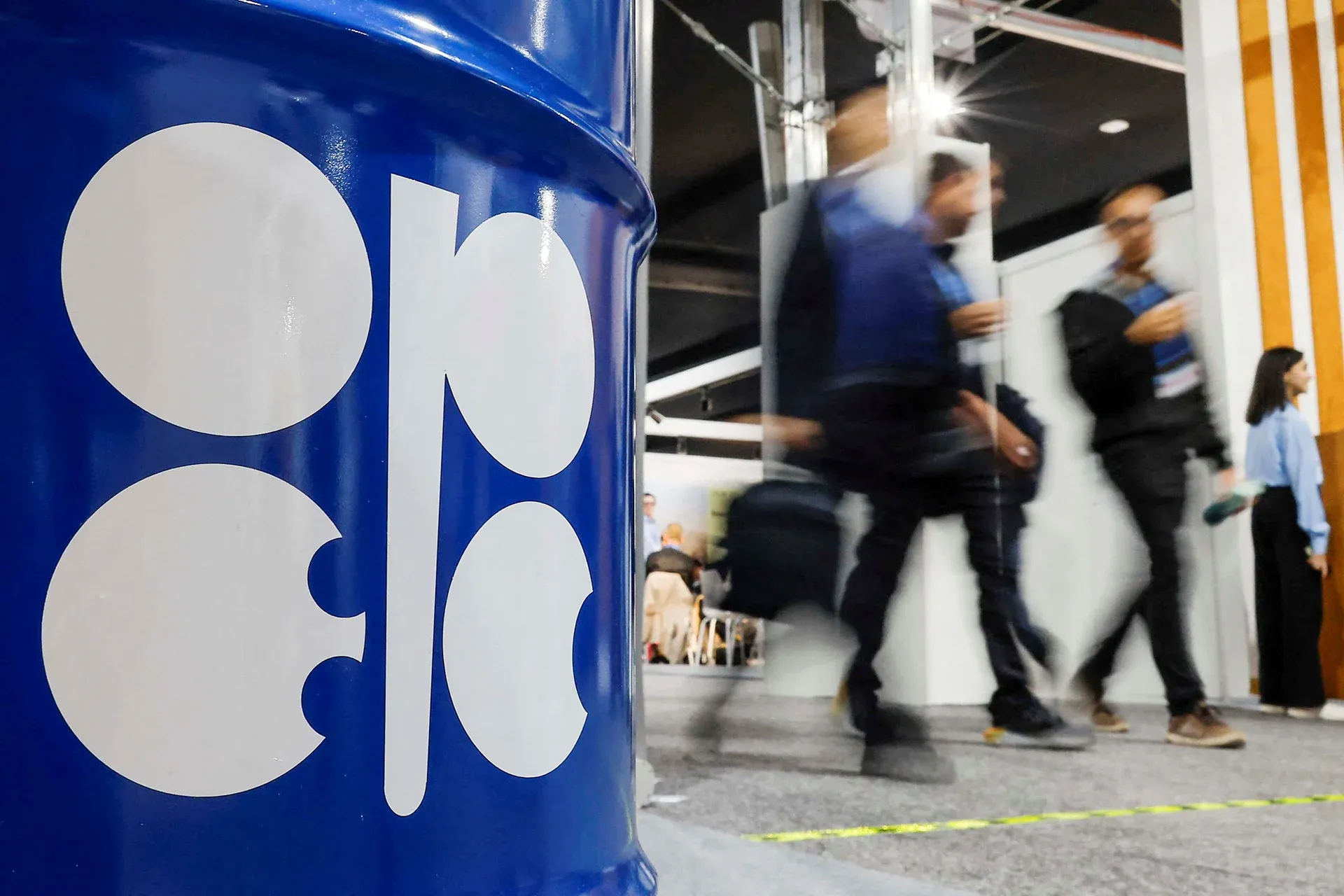
The United Arab Emirates, or the UAE, has decided to leave OPEC after nearly 60 years as a member. OPEC is the Organization of the Petroleum Exporting Countries. It is a group of oil-producing countries that work together to coordinate how much oil they produce and sell to the world.
アラブ首長国連邦、通称UAEは、約60年間にわたる加盟の後、OPECからの離脱を決定しました。OPECとは石油輸出国機構のことです。これは、産油国が協力し合い、世界にどれだけの石油を生産し販売するかを調整するために作られたグループです。
OPEC is important because oil is still used in many parts of daily life. Cars, planes, ships, factories, electricity production and plastics all depend on oil in some way. When oil-producing countries reduce supply, oil prices often rise. When they increase supply, prices often fall. This gives OPEC influence over the global economy.
OPECが重要なのは、石油が今なお日常生活の多くの場面で使われているからです。自動車、飛行機、船舶、工場、発電、プラスチックなど、あらゆるものが何らかの形で石油に依存しています。産油国が供給を減らせば、石油価格はしばしば上昇します。供給を増やせば、価格はしばしば下落します。このため、OPECは世界経済に対して大きな影響力を持っています。
The UAE has been investing heavily in its ability to produce more oil. However, OPEC members usually agree to production limits in order to support oil prices. The UAE wants more freedom to decide how much oil it produces and sells. By leaving OPEC, it may be able to increase production more easily when market conditions allow.
UAEは、より多くの石油を生産できる能力に多額の投資を続けてきました。しかし、OPEC加盟国は通常、石油価格を維持するために生産量の上限に合意します。UAEは、自国がどれだけの石油を生産し販売するかについて、より大きな自由を望んでいます。OPECを離脱することで、市場の状況が許す際に、より容易に生産量を増やせるようになるかもしれません。
The decision comes at a difficult time for global energy markets. Tensions in the Middle East and around the Strait of Hormuz have affected oil shipping and raised concerns about supply. Because the UAE is an important oil producer, its decision to leave OPEC could make the market more unpredictable.
今回の決定は、世界のエネルギー市場にとって難しい時期に下されました。中東やホルムズ海峡周辺での緊張は、石油輸送に影響を与え、供給に対する懸念を高めています。UAEは主要な産油国であるため、OPECを離脱するという決定は、市場をより予測しにくいものにする可能性があります。
The move does not mean that oil prices will immediately fall. Many other factors affect prices, including wars, shipping routes, demand from major economies and decisions by other oil producers. Still, the UAE's exit is a major sign that some oil-producing countries may want more independence as the future of energy changes.
この動きは、石油価格がすぐに下落することを意味するわけではありません。戦争、輸送ルート、主要経済国からの需要、他の産油国の決定など、価格に影響を与える要因は他にも数多くあります。それでも、UAEの離脱は、エネルギーの未来が変化していく中で、一部の産油国がより大きな独立性を求めている可能性を示す重要なサインです。