
When oil prices fall, many people expect daily life to become cheaper soon. However, inflation does not always slow down immediately. Energy affects many parts of the economy, including transport, food, factories, restaurants and electricity bills.
石油価格が下落すると、多くの人は日常生活がすぐに安くなると期待します。しかし、インフレは必ずしもすぐに落ち着くわけではありません。エネルギーは、輸送、食料、工場、レストラン、電気料金など、経済の多くの部分に影響を及ぼしています。
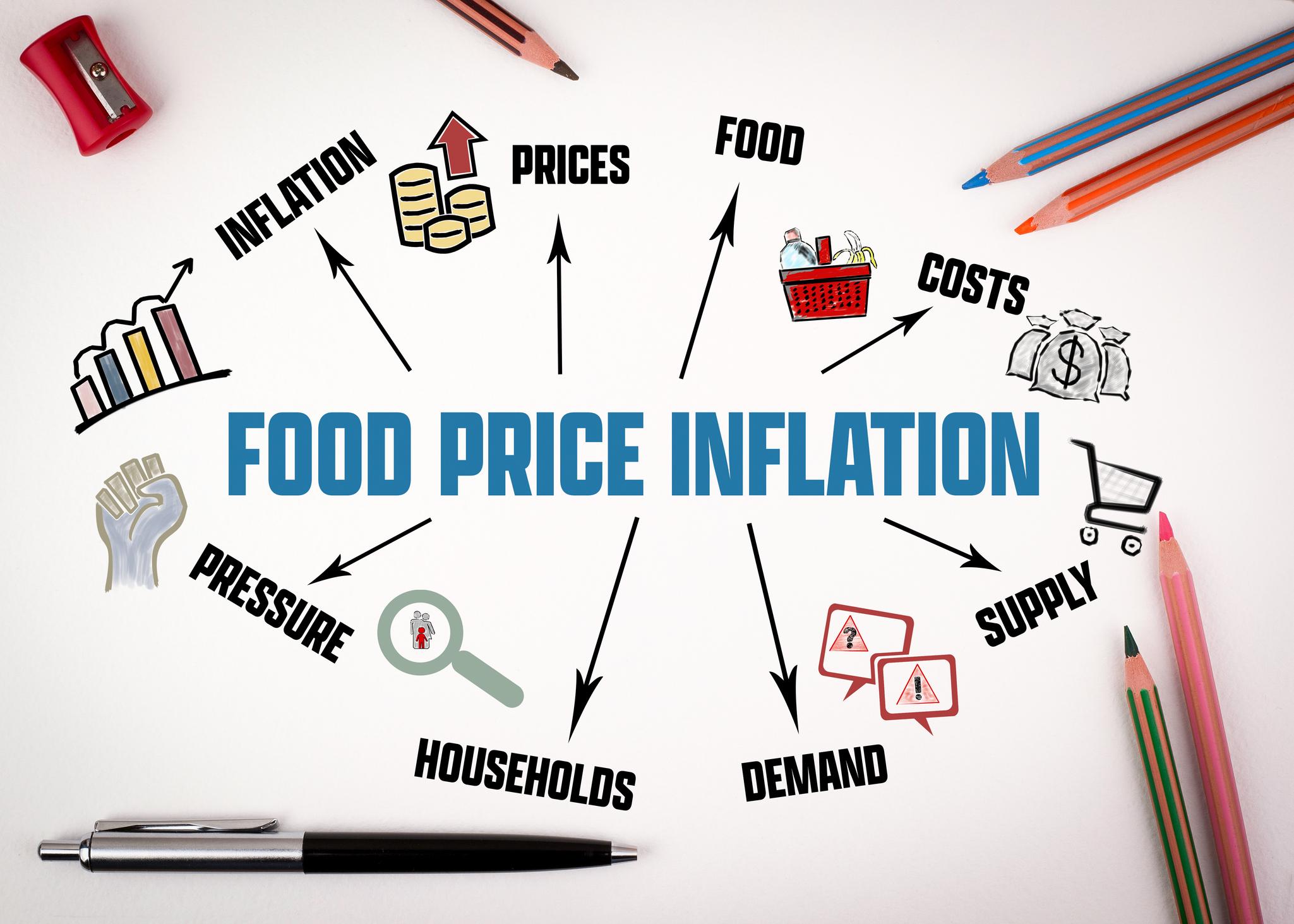
One reason is that companies often pass higher costs on to customers. If delivery costs rise, a shop may increase prices. If electricity becomes more expensive, a restaurant may charge more for meals. If farming and packaging cost more, food prices may also rise. Once prices go up, they do not always come down quickly.
一つの理由は、企業がしばしば上昇したコストを顧客に転嫁することです。配送費が上がれば、店は価格を引き上げるかもしれません。電気代が高くなれば、レストランは食事の値段を上げるかもしれません。農業や梱包にかかる費用が増えれば、食品の価格も上がるかもしれません。一度価格が上がると、それが早く下がるとは限りません。
Another reason is that many companies do not buy energy at today’s market price. Some companies have contracts that were signed weeks or months earlier. These contracts may protect them when prices rise suddenly, but they can also delay the benefit when prices fall. This means consumers may continue to pay higher prices for some time.
もう一つの理由は、多くの企業が今日の市場価格でエネルギーを購入しているわけではないということです。数週間、あるいは数か月前に結ばれた契約を持つ企業もあります。こうした契約は、価格が急に上昇したときには企業を守ってくれますが、価格が下落したときにはその恩恵を受けるのを遅らせることにもなります。これはつまり、消費者はしばらくの間、高い価格を払い続けることになる可能性があるということです。
Central banks also watch energy prices carefully. If people expect prices to keep rising, workers may ask for higher wages. Businesses may also raise prices because they expect future costs to be higher. This can make inflation last longer, even after the first energy shock becomes weaker.
中央銀行もエネルギー価格を注意深く見守っています。人々が物価が上がり続けると予想すれば、労働者はより高い賃金を求めるかもしれません。企業も、将来のコストが高くなると見込んで価格を引き上げるかもしれません。これにより、最初のエネルギーショックが弱まった後も、インフレが長く続く可能性があります。
Countries are affected in different ways. A country that imports most of its energy may suffer more when global prices rise. A country with more stored fuel or different energy sources may be better protected. Households are also affected differently. For families with lower incomes, fuel, heating and food take up a large part of the monthly budget.
国によって受ける影響は異なります。エネルギーの大半を輸入に頼っている国は、世界的な価格上昇の際により大きな打撃を受ける可能性があります。備蓄燃料が多い国や、エネルギー源が多様な国は、より守られやすいかもしれません。家庭もそれぞれ異なる影響を受けます。所得の低い家庭にとっては、燃料、暖房、食料が月々の家計の大きな部分を占めています。
This is why an energy deal does not automatically solve inflation. It may reduce the risk of a bigger crisis, but it does not erase costs that are already inside contracts, wages, transport fees and household bills. Energy inflation spreads quickly through the economy, but it may disappear slowly.
だからこそ、エネルギーに関する合意が自動的にインフレを解決するわけではないのです。それはより大きな危機のリスクを減らすかもしれませんが、すでに契約、賃金、輸送費、家計の請求書の中に組み込まれてしまったコストを消し去るわけではありません。エネルギーによるインフレは経済全体に素早く広がりますが、それが消えていくのはゆっくりとしたものかもしれません。