
← News Topics

A Place to Stay, but Not a Home

The Rohingya, Syrian Refugees, and Japan’s Role — Day 1: How Many Times Can One Family Be Forced to Flee?

滞在できる場所、でも家ではない ― ロヒンギャ、シリア難民、そして日本の役割 ― 第1日:一つの家族は何度逃げなければならないのか

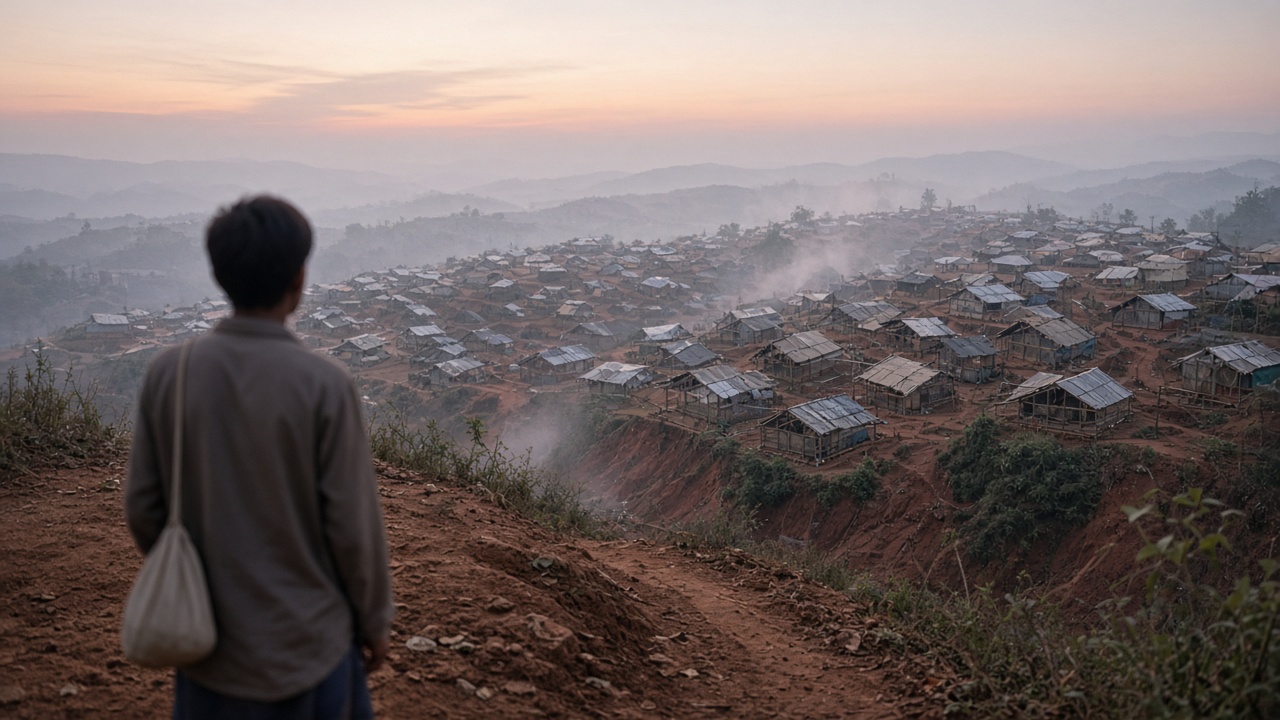
A boy seen from behind looking out over a hillside refugee camp of small shelters at dawn

In the middle of the night in 2017, a 12-year-old Rohingya boy woke to the sound of gunfire in his village in Myanmar. In a later BBC interview, he said soldiers were approaching and his family had to flee. As they moved toward Bangladesh, he saw people being shot and others drowning while crossing the border. An uncle led the family away from the crowd and found a safer route. They survived, but crossing the border did not end their escape.

2017年のある真夜中、ミャンマーの村に住む12歳のロヒンギャの少年は、銃声で目を覚ましました。後にBBCのインタビューで、彼は兵士たちが近づいてきて、家族は逃げなければならなかったと語りました。バングラデシュへ向かう途中、彼は人々が撃たれ、国境を越える途中で溺れる人々を目にしました。おじが家族を群衆から離れさせ、より安全な道を見つけました。一家は生き延びましたが、国境を越えても彼らの逃避行は終わりませんでした。

His family was part of a much larger movement. A military crackdown in Myanmar’s Rakhine State drove hundreds of thousands of Rohingya Muslims from their homes. Many Rohingya had already been denied citizenship and faced severe restrictions on movement. Most of those escaping in 2017 sought refuge in neighboring Bangladesh, where enormous camps developed around Cox’s Bazar.

彼の家族は、はるかに大きな人の流れの一部でした。ミャンマーのラカイン州での軍による弾圧が、何十万人ものロヒンギャのイスラム教徒を家から追い出しました。多くのロヒンギャはすでに市民権を否定され、移動に厳しい制限を受けていました。2017年に逃れた人々の大半は隣国バングラデシュに避難し、そこではコックスバザール周辺に巨大なキャンプが形成されました。

The boy spent the next three years there. He remembered small shelters, limited freedom and a life that felt “like a prison.” Refugee camps provide emergency safety, but their rules can be highly restrictive. Residents may have little access to regular education, employment or travel. A place designed as temporary protection can gradually become the only world a child knows.

少年はその後の3年間をそこで過ごしました。彼が覚えているのは、小さな仮設住居、限られた自由、そして「刑務所のような」生活でした。難民キャンプは緊急の安全を提供しますが、その規則は非常に制限的になることがあります。住民は、通常の教育、雇用、移動の機会をほとんど得られないことがあります。一時的な保護のために設けられた場所が、次第に子どもにとって知っている唯一の世界になってしまうこともあるのです。

In 2020, the young man left the camp and traveled through Myanmar and Thailand before reaching Malaysia. Such journeys are dangerous and often depend on a smuggler. Criminal networks can exploit people who have few legal ways to travel, charging large sums or exposing them to trafficking, violence and forced labor. Yet remaining in the camp also offered him little hope of building an independent future.

2020年、青年はキャンプを離れ、ミャンマーとタイを経由してマレーシアにたどり着きました。こうした旅は危険で、密航業者に頼ることが少なくありません。犯罪組織は、合法的な移動手段をほとんど持たない人々につけ込み、多額の料金を請求したり、人身売買、暴力、強制労働の危険にさらしたりすることがあります。それでも、キャンプにとどまっていても、自立した将来を築く希望はほとんどありませんでした。

Malaysia seemed to provide that future. He entered a Malaysian university in 2024 and began studying while building a daily life there. However, he still lived without secure legal status. Malaysia hosts a large refugee population but is not a member of the 1951 Refugee Convention and has no complete national asylum system. Refugees generally cannot work legally or enter the public school system, so even those who live there for years may have no permanent right to remain.

マレーシアはその将来を与えてくれるように見えました。彼は2024年にマレーシアの大学に入学し、学びながらそこで日々の生活を築き始めました。しかし、彼は依然として安定した法的地位を持たないまま暮らしていました。マレーシアは多くの難民を受け入れていますが、1951年の難民条約に加盟しておらず、完全な国の難民認定制度もありません。難民は一般に合法的に働くことも公立学校に入ることもできないため、何年もそこに住んでいる人でさえ、永住する権利を持たない場合があります。

That uncertainty became more serious in September 2026, when Malaysia began a repatriation programme agreed with Myanmar. The first group consisted of 1,476 Myanmar nationals, including children, and the wider plan could affect as many as 5,000 people. Public reporting did not establish how many of those returned were Rohingya. Malaysia described the returns as voluntary, but UNHCR could not enter the detention centers to confirm whether the individuals had been able to choose freely. The young man interviewed by the BBC said he had not been personally selected, but he feared that the Rohingya community could be targeted next.

その不安定さは2026年9月、マレーシアがミャンマーと合意した送還プログラムを始めたことで、さらに深刻になりました。最初のグループは子どもを含む1,476人のミャンマー国民で、計画全体では最大5,000人が対象になる可能性があります。公表された報道では、送還された人のうち何人がロヒンギャだったのかは明らかになりませんでした。マレーシアは送還を自発的なものだと説明しましたが、UNHCR(国連難民高等弁務官事務所)は収容施設に立ち入ることができず、本人たちが自由に選択できたのかを確認できませんでした。BBCの取材を受けた青年は、自分が個人的に選ばれたわけではないと言いましたが、次はロヒンギャのコミュニティが標的になるかもしれないと恐れていました。

For him, escape has not been a single journey from danger to safety. He was uprooted from Myanmar, confined by life in a Bangladeshi camp and left without a secure future in Malaysia. Refugees may be physically safe for several years while still lacking a country that accepts responsibility for them. His story leaves a difficult question: when does escape truly end—when someone crosses a border, or only when that person finally has the right to stay?

彼にとって、逃避行は危険から安全への一度きりの旅ではありませんでした。彼はミャンマーから根こそぎ追われ、バングラデシュのキャンプでの生活に閉じ込められ、マレーシアでは安定した将来のないまま取り残されました。難民は何年も身体的には安全であっても、自分たちに責任を持ってくれる国がないままであることがあります。彼の物語は難しい問いを残します。逃避行が本当に終わるのはいつなのか―国境を越えたときなのか、それともその人がついにとどまる権利を得たときなのか。
Vocabulary

  1. flee — to leave a dangerous place quickly in order to reach safety. Example: Thousands of residents had to flee the coastal town before the storm arrived.
  2. crackdown — strong action by authorities to control or stop a group or activity. Example: The government launched a crackdown on companies that were breaking labor laws.
  3. seek refuge — to look for protection from danger, violence or persecution. Example: The family had to seek refuge in a church after fighting reached their neighborhood.
  4. restrictive — limiting people’s freedom or preventing them from doing certain things. Example: The company changed its restrictive policy on working from home.
  5. smuggler — a person who secretly and illegally moves people or goods across borders. Example: The migrants paid a smuggler to take them across the sea.
  6. exploit — to treat someone unfairly in order to gain an advantage or make money. Example: Some employers exploit workers who do not understand their legal rights.
  7. legal status — a person’s officially recognized position under the law, especially their right to live or work in a country. Example: She could not accept a full-time job until her legal status was confirmed.
  8. repatriation — the process of returning someone to their country of origin. Example: The two governments agreed that any repatriation should be safe and voluntary.
  9. uproot — to force someone to leave their home and familiar surroundings. Example: The construction project uprooted several families who had lived in the area for generations.

Comprehension Questions

  1. How did the boy’s family manage to cross the border into Bangladesh?
    1. Soldiers gave them permission to leave.
    2. An uncle took them away from the crowd and found another route.
    3. They traveled on a ship organized by the United Nations.
    4. The Malaysian government transported them.

    少年の家族は、どのようにしてバングラデシュへの国境を越えることができましたか?

  2. Why did the boy describe life in the refugee camp as being like a prison?
    1. He had been convicted of a crime.
    2. His family was separated from all other refugees.
    3. The camp was controlled by the Myanmar military.
    4. His movement and opportunities were severely limited.

    少年が難民キャンプでの生活を刑務所のようだと表現したのはなぜですか?

  3. Why did Malaysia appear to offer the young man a better future?
    1. He was able to enter university and begin building a new life.
    2. He immediately received Malaysian citizenship.
    3. His entire village had moved there together.
    4. Malaysia guaranteed permanent protection to every refugee.

    マレーシアが青年により良い将来を与えてくれるように見えたのはなぜですか?

  4. Why did UNHCR question whether the 2026 returns were truly voluntary?
    1. Myanmar refused to identify any of the returnees.
    2. The returnees had all asked to remain in Bangladesh.
    3. UNHCR could not access the detention centers to confirm that people had chosen freely.
    4. Malaysia had not informed Myanmar about the programme.

    UNHCRが2026年の送還が本当に自発的なものだったのか疑問を示したのはなぜですか?

  5. What is the central message of the article?
    1. Refugee camps always provide a permanent solution.
    2. Crossing a border does not necessarily give a refugee lasting safety or the right to remain.
    3. Malaysia was responsible for the original violence in Myanmar.
    4. All Rohingya refugees want to settle permanently in Malaysia.

    記事の中心的なメッセージは何ですか?

Discussion Questions

  1. At what point should a refugee’s escape be considered finished?

    難民の逃避行は、どの時点で終わったと考えるべきですか?

  2. Should refugees living in long-term camps be allowed to work, study and travel more freely?

    長期にわたるキャンプで暮らす難民は、もっと自由に働き、学び、移動することを認められるべきですか?

  3. What responsibilities should a country have toward refugees who have lived there for many years without permanent legal status?

    永続的な法的地位がないまま何年もそこで暮らしてきた難民に対して、国はどのような責任を負うべきですか?

  4. How should a government respond when local residents believe that refugees are competing with them for jobs or public resources?

    地元住民が、難民と仕事や公共の資源を奪い合っていると考えるとき、政府はどう対応すべきですか?

  5. Should wealthier countries accept more refugees from countries such as Malaysia and Bangladesh? Why or why not?

    より豊かな国は、マレーシアやバングラデシュのような国からより多くの難民を受け入れるべきですか?その理由は何ですか?

Speaking Practice

Speak for about one minute about what lasting safety should mean for a refugee.

難民にとって、永続的な安全とは何を意味すべきかについて、約1分間話してください。

Include:

  • the difference between escaping immediate danger and finding a permanent home

    目の前の危険から逃れることと、永住の地を見つけることの違い

  • one problem faced in a long-term refugee camp

    長期的な難民キャンプで直面する問題一つ

  • the importance of legal status

    法的地位の重要性

  • what host countries and wealthier countries should do

    受け入れ国とより豊かな国がすべきこと

  • when you think a refugee’s escape can truly be considered finished

    難民の逃避行が本当に終わったと言えるのはいつだと思うか