
← News Topics

A Place to Stay, but Not a Home

The Rohingya, Syrian Refugees, and Japan’s Role — Day 2: Why Does Sympathy for Refugees Fade?

滞在できる場所、でも家ではない ― ロヒンギャ、シリア難民、そして日本の役割 ― 第2日:難民への同情はなぜ薄れていくのか

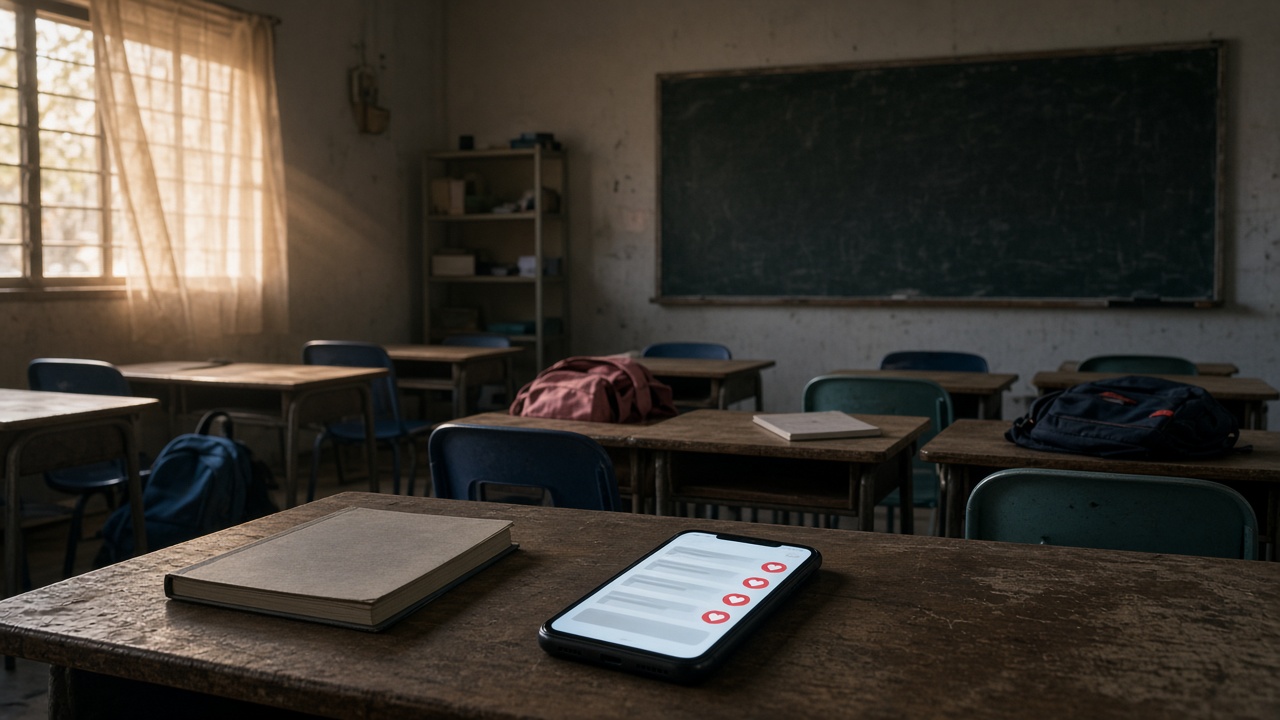
An empty classroom with backpacks left on the desks and a smartphone showing angry social media reactions

In 2026, a 12-year-old Rohingya girl named Nur stopped attending school in Malaysia. Two men had threatened to beat her and accused Rohingya children of trying to take over the country. As online hostility grew, at least nine schools for Rohingya children closed because of official action or fears about their safety. The harassment showed how sharply public attitudes had changed.

2026年、マレーシアに住む12歳のロヒンギャの少女ヌールは、学校に通うのをやめました。二人の男が彼女を殴ると脅し、ロヒンギャの子どもたちが国を乗っ取ろうとしていると非難したのです。ネット上の敵意が高まるにつれ、ロヒンギャの子どものための学校が少なくとも9校、当局の措置や安全への不安から閉鎖されました。この嫌がらせは、世間の態度がいかに急激に変わったかを示していました。

Malaysia is a Muslim-majority country and has long sympathized with the Rohingya, a persecuted Muslim minority from Myanmar. However, public opinion began to sour during the COVID-19 pandemic. Refugees were accused of spreading the virus, ignoring local customs, and competing with Malaysians for jobs. Some of these claims were based on misinformation, but they spread rapidly online.

マレーシアはイスラム教徒が多数を占める国で、ミャンマーで迫害されているイスラム教徒の少数民族ロヒンギャに長く同情を寄せてきました。しかし、新型コロナウイルスの流行の間に世論は悪化し始めました。難民はウイルスを広めた、地元の習慣を無視している、マレーシア人と仕事を奪い合っていると非難されました。こうした主張の一部は誤った情報に基づいていましたが、ネット上で急速に広まりました。

Economic pressure can make such messages more powerful. When people are worried about wages, housing, healthcare, or public safety, a visible minority may become a scapegoat for wider problems. A crime or cultural conflict involving one refugee can then be presented as evidence about an entire community. Social media makes this process faster by rewarding emotional content that attracts attention.

経済的な圧力は、こうしたメッセージをより強力にすることがあります。人々が賃金、住宅、医療、治安に不安を抱いているとき、目に見える少数派がより広い問題のスケープゴートにされることがあります。そうなると、一人の難民が関わった犯罪や文化的な衝突が、コミュニティ全体についての証拠として示されかねません。ソーシャルメディアは、注目を集める感情的なコンテンツに報いることで、この過程を加速させます。

Europe has experienced a different but related change. In 2015 and 2016, many Europeans welcomed Syrians escaping war, although others opposed their arrival from the beginning. Over time, arguments about housing, security, employment, and integration became stronger. After Bashar al-Assad’s government fell in December 2024, several European countries paused Syrian asylum decisions and began to reassess whether Syrians still needed protection.

ヨーロッパは、異なるものの関連した変化を経験してきました。2015年と2016年、多くのヨーロッパの人々が戦争から逃れてきたシリア人を歓迎しましたが、最初から彼らの到着に反対する人々もいました。時がたつにつれ、住宅、治安、雇用、社会への統合をめぐる議論が強まりました。2024年12月にバッシャール・アル=アサド政権が崩壊した後、いくつかのヨーロッパの国はシリア人の難民認定の判断を一時停止し、シリア人がまだ保護を必要としているのかを再評価し始めました。

However, the Rohingya and Syrian situations are not the same. Most Syrians have a country that legally recognizes them as citizens, and some have voluntarily returned since the political change. The Rohingya are largely stateless, and Myanmar has denied many of them full citizenship and basic rights. Syria also remains dangerous for some religious, ethnic, and political groups. A change of government does not make every person safe overnight.

しかし、ロヒンギャとシリア人の状況は同じではありません。ほとんどのシリア人には、法的に自分を国民として認める国があり、政変以降、自発的に帰国した人もいます。ロヒンギャの多くは無国籍で、ミャンマーは彼らの多くに完全な市民権と基本的な権利を認めてきませんでした。また、シリアは一部の宗教的、民族的、政治的な集団にとって依然として危険です。政権が変わっても、すべての人が一夜にして安全になるわけではありません。

These cases reveal that public support for refugees is often conditional. People may welcome those escaping an emergency but expect them to leave when the emergency appears to be over. If refugees remain for years, the discussion may shift from protection to cost, identity, and belonging. Concerns about pressure on public services can be real, but they should not be used to blame a whole group for problems it did not create.

これらの事例は、難民への世間の支持がしばしば条件付きであることを示しています。人々は緊急事態から逃れてきた人を歓迎しても、その緊急事態が終わったように見えると、立ち去ることを期待するかもしれません。難民が何年もとどまると、議論は保護からコスト、アイデンティティ、帰属の問題へと移っていくことがあります。公共サービスへの負担に関する懸念は現実のものでありえますが、ある集団が生み出したわけではない問題について、その集団全体を責めるために使われるべきではありません。

The important question may not be whether a country is simply friendly or unfriendly toward refugees. It is whether the country has a fair system for sharing costs, checking individual risks, and helping newcomers participate in society. Refugees do not suddenly become less human when public sympathy fades. But without clear policies, temporary compassion can easily turn into long-term resentment.

重要な問いは、ある国が難民に対して単に友好的か非友好的かではないのかもしれません。その国に、コストを分かち合い、個々のリスクを確認し、新しく来た人々が社会に参加するのを助ける公正な仕組みがあるかどうかです。世間の同情が薄れても、難民が突然人間らしさを失うわけではありません。しかし明確な政策がなければ、一時的な思いやりは簡単に長期的な反感へと変わってしまうのです。

Vocabulary

  1. harassment — repeated behavior that frightens, threatens, or upsets someone. Example: The company introduced a new system for reporting workplace harassment.
  2. sympathize with — to understand and care about another person’s difficulties or suffering. Example: Many residents sympathized with the families who had lost their homes in the fire.
  3. sour — to become less positive, friendly, or pleasant. Example: Relations between the two companies soured after the negotiations failed.
  4. misinformation — false or inaccurate information that is spread, whether intentionally or unintentionally. Example: Health officials tried to correct misinformation about the new vaccine.
  5. scapegoat — a person or group that is unfairly blamed for problems caused by others or by more complex factors. Example: Migrant workers became a scapegoat for the country’s economic difficulties.
  6. integration — the process of becoming part of a society while participating in its institutions and daily life. Example: Language education can support the integration of newly arrived families.
  7. asylum — protection given by a country to someone who has fled danger or persecution. Example: The journalist applied for asylum after receiving threats in her home country.
  8. reassess — to examine a situation again because conditions or available information have changed. Example: The city decided to reassess its emergency plan after the major flood.
  9. conditional — depending on particular requirements, circumstances, or actions. Example: The financial support was conditional on the company protecting local jobs.

Comprehension Questions

  1. Why did Nur stop attending school?
    1. Her family decided to return to Myanmar.
    2. She had been threatened on her way to school.
    3. Her school began charging higher fees.
    4. She wanted to start working instead.

    ヌールが学校に通うのをやめたのはなぜですか?

  2. What contributed to changing attitudes toward the Rohingya in Malaysia?
    1. Myanmar granted full citizenship to the Rohingya.
    2. Most Rohingya voluntarily left Malaysia.
    3. Refugee schools became part of the national school system.
    4. Claims about disease, cultural behavior, and competition for jobs spread during the pandemic.

    マレーシアでロヒンギャに対する態度が変わった一因は何ですか?

  3. Why did some European countries reassess Syrian asylum cases?
    1. Assad’s government fell, changing the political situation in Syria.
    2. Syria joined the European Union.
    3. All Syrian cities had been completely rebuilt.
    4. Syrian refugees asked European countries to cancel their protection.

    一部のヨーロッパの国がシリア人の難民認定案件を再評価したのはなぜですか?

  4. What important difference does the article identify between Syrians and the Rohingya?
    1. Syrians have never experienced discrimination.
    2. The Rohingya have received citizenship in Malaysia.
    3. Most Syrians have recognized citizenship, while many Rohingya are stateless.
    4. The Rohingya can safely return home, but Syrians cannot.

    記事は、シリア人とロヒンギャの間にどのような重要な違いを指摘していますか?

  5. What is the article’s main argument?
    1. Host countries should ignore pressure on public services.
    2. Sympathy may fade unless countries create fair and lasting refugee policies.
    3. Social media is the only cause of hostility toward refugees.
    4. Every refugee should return home immediately after a government changes.

    記事の主な主張は何ですか?

Discussion Questions

  1. Why do you think public sympathy for refugees sometimes fades over time?

    難民への世間の同情が、時がたつにつれて薄れることがあるのはなぜだと思いますか?

  2. How should governments respond when residents have reasonable concerns about housing, jobs, or public services?

    住民が住宅、仕事、公共サービスについて妥当な懸念を持っているとき、政府はどう対応すべきですか?

  3. Should refugees who have lived in a country for many years be expected to return when conditions in their home country improve?

    ある国に何年も暮らしてきた難民は、母国の状況が改善したら帰国することを求められるべきですか?

  4. What responsibility do social media companies have when misinformation creates hostility toward refugees?

    誤った情報が難民への敵意を生むとき、ソーシャルメディア企業にはどのような責任がありますか?

  5. What can Japan learn from the experiences of Malaysia and European countries?

    日本は、マレーシアやヨーロッパ諸国の経験から何を学べますか?

Speaking Practice

Speak for about one minute about why attitudes toward refugees can change.

難民に対する態度がなぜ変わりうるのかについて、約1分間話してください。

Include:

  • why people may initially welcome refugees

    人々が最初は難民を歓迎する理由

  • why support may weaken over time

    時がたつにつれて支持が弱まる理由

  • the difference between reasonable concerns and collective blame

    妥当な懸念と集団全体への非難の違い

  • one policy that could reduce tension

    緊張を和らげうる政策一つ

  • whether refugees should be allowed to build a permanent home

    難民が永住の地を築くことを認められるべきかどうか