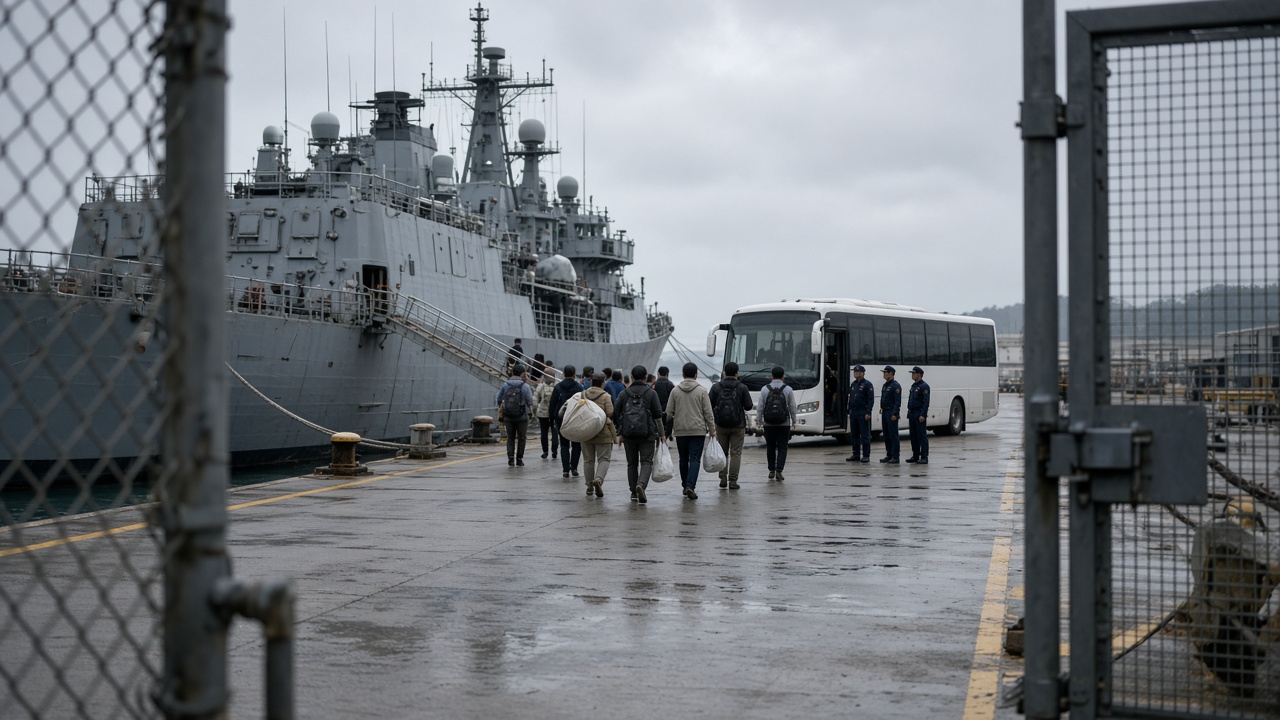
On September 29, 2026, buses carried 1,476 Myanmar nationals, including children, from Malaysia to naval ships that would take them back to Myanmar. The Malaysian government described the operation as the first stage of a repatriation program and said that the returns were voluntary. However, the passengers came from immigration centers, and Myanmar was still experiencing a civil war.
2026年9月29日、バスが子どもを含む1,476人のミャンマー国民をマレーシアから海軍の艦船へと運び、艦船は彼らをミャンマーへ連れ戻すことになっていました。マレーシア政府はこの作戦を送還プログラムの第一段階と説明し、帰国は自発的なものだと述べました。しかし乗客たちは入国管理施設から来ており、ミャンマーはまだ内戦の最中にありました。
This created a difficult question: How free is a decision made in detention? UNHCR’s mandate is to protect refugees, assess their needs, advise governments, and help find long-term solutions. However, national governments control their borders and detention centers. UNHCR can request access, raise objections, and offer assistance, but it cannot enter a facility without government permission or order a government to stop a deportation. In this case, it had no access to the returnees and could not verify whether each person had received enough information, understood the risks, and had a genuine choice. If the alternatives are remaining in detention or returning to a dangerous country, the word “voluntary” may not tell the whole story.
このことは難しい問いを生みました。収容中に下された決定は、どれほど自由なものなのでしょうか?UNHCRの任務は、難民を保護し、そのニーズを評価し、政府に助言し、長期的な解決策を見つける手助けをすることです。しかし、国境と収容施設を管理しているのは各国政府です。UNHCRは立ち入りを求め、異議を唱え、支援を申し出ることはできますが、政府の許可なく施設に入ることも、政府に強制送還をやめるよう命じることもできません。今回、UNHCRは帰還者に接触できず、一人ひとりが十分な情報を受け取り、リスクを理解し、本当の意味で選択できたのかを確認できませんでした。選択肢が収容されたままでいるか、危険な国に帰るかしかないなら、「自発的」という言葉だけでは全体像を伝えきれないかもしれません。
International refugee protection includes the principle of non-refoulement. Under this principle, a country must not send someone to a place where that person may face persecution, torture, or another serious threat. This does not mean that refugees can never return home. It means that return should be based on a free and informed decision and should take place under safe and dignified conditions.
国際的な難民保護には、ノン・ルフールマン(追放・送還禁止)の原則が含まれています。この原則のもとでは、国は、迫害、拷問、その他の深刻な脅威に直面するおそれのある場所へ人を送ってはなりません。これは、難民が決して母国に帰れないという意味ではありません。帰国は自由で十分な情報に基づいた決定によるべきであり、安全で尊厳ある条件のもとで行われるべきだということです。
It is also important to be precise about who was sent back. The 1,476 returnees were officially described as Myanmar nationals, and available reporting did not establish that all of them were Rohingya. Malaysia’s wider discussions with Myanmar had included the possible return of Rohingya refugees, which caused particular concern. Many Rohingya are stateless, Myanmar has denied them full citizenship and basic rights, and violence continues in Rakhine State and other parts of the country.
誰が送還されたのかについて正確であることも重要です。1,476人の帰還者は公式にはミャンマー国民と説明されており、入手できる報道では、その全員がロヒンギャだったことは確認されていません。マレーシアとミャンマーのより広い協議にはロヒンギャ難民の帰還の可能性も含まれており、それが特に懸念を呼びました。多くのロヒンギャは無国籍で、ミャンマーは彼らに完全な市民権と基本的な権利を認めておらず、ラカイン州や国内の他の地域では暴力が続いています。
Europe’s debate about Syrian refugees shows why safety cannot be judged only by a major political event. After Bashar al-Assad’s government fell in December 2024, some Syrians chose to return and several European governments reconsidered their asylum policies. Yet the risks were not equal for everyone. A person’s religion, ethnic background, political history, gender, or home region could still affect their safety. For this reason, refugee cases require an individual assessment.
シリア難民をめぐるヨーロッパの議論は、なぜ安全性を大きな政治的出来事だけで判断できないのかを示しています。2024年12月にバッシャール・アル=アサド政権が崩壊した後、一部のシリア人は帰国を選び、いくつかのヨーロッパの政府は難民認定政策を見直しました。しかしリスクは誰にとっても同じではありませんでした。宗教、民族的背景、政治的な経歴、性別、出身地域が、依然としてその人の安全に影響しうるのです。このため、難民の案件には個別の審査が必要です。
There is also a difference between being able to visit a country and being able to build a stable life there. A family may find that its house has been destroyed, its children have no school, or its members lack identity documents and employment. Some returnees may still face armed groups or unexploded weapons. Ending one form of political violence does not immediately rebuild the institutions and communities destroyed by years of conflict.
ある国を訪れることができるのと、そこで安定した生活を築けることには違いもあります。家族は、家が破壊されていたり、子どもが通える学校がなかったり、家族に身分証明書や仕事がなかったりすることに気づくかもしれません。帰還者の中には、依然として武装勢力や不発弾に直面する人もいるかもしれません。ある形の政治的暴力が終わっても、長年の紛争で破壊された制度や地域社会がすぐに再建されるわけではありません。
This limit on UNHCR’s power makes independent access especially important. If only the governments sending and receiving the returnees describe the process as voluntary, outsiders cannot properly test that claim. A fair return policy should allow private interviews before departure, provide reliable information and a real alternative to return, and monitor what happens afterward. The central question is not simply whether a country is safer than it was before. It is whether this particular person can return freely, safely, and without being forced to flee again.
UNHCRの権限に限界があるからこそ、独立した立場からの接触が特に重要になります。帰還者を送り出す政府と受け入れる政府だけがその過程を自発的だと説明するのであれば、外部の者はその主張をきちんと検証できません。公正な帰還政策は、出発前の個別面談を認め、信頼できる情報と帰国以外の現実的な選択肢を提供し、その後に何が起きるかを見守るべきです。中心的な問いは、単にその国が以前より安全になったかどうかではありません。この特定の人が、自由に、安全に、そして再び逃げることを強いられずに帰れるかどうかなのです。