
← News Topics

A Place to Stay, but Not a Home

The Rohingya, Syrian Refugees, and Japan’s Role — Day 4: Could Japan Offer Refugees a Third Option?

滞在できる場所、でも家ではない ― ロヒンギャ、シリア難民、そして日本の役割 ― 第4日:日本は難民に第三の選択肢を提供できるか

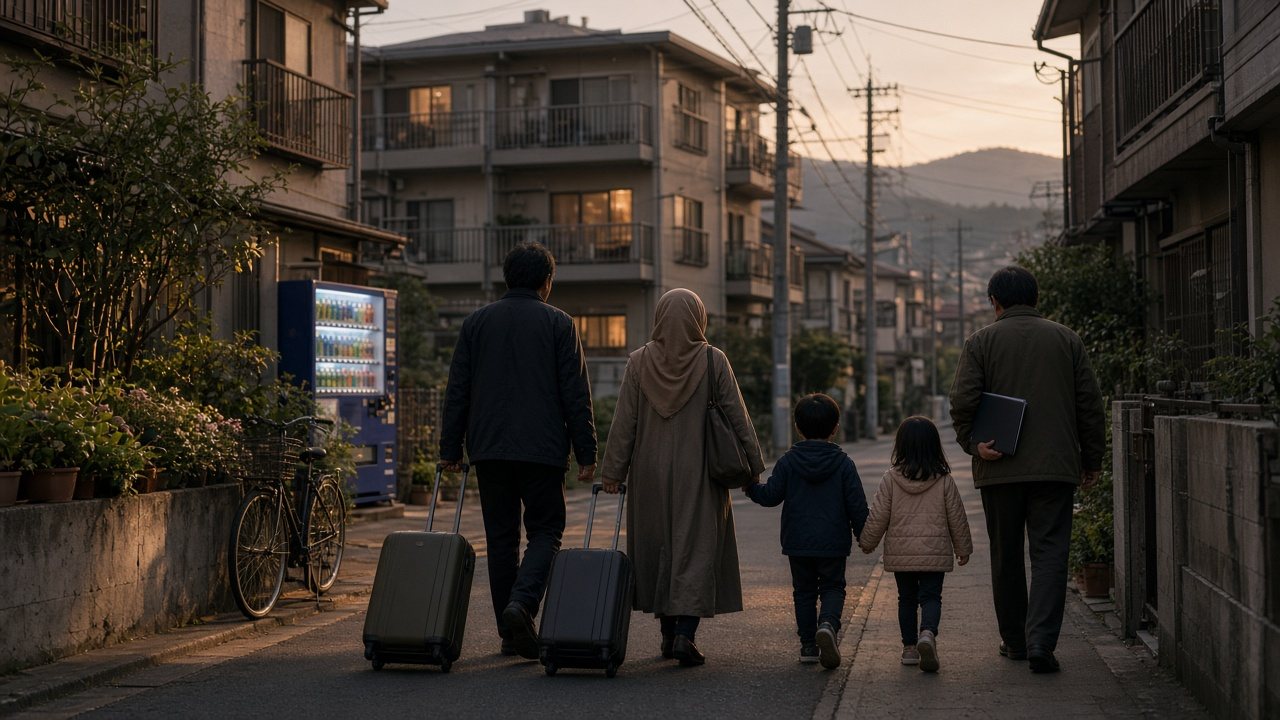
A family seen from behind walking with suitcases down a quiet Japanese residential street at dusk, beside a support worker

For a Rohingya family in Malaysia, every direction can look like a dead end. Returning to Myanmar may be dangerous, while remaining in Malaysia may mean years without secure legal status. Trying to reach another country by sea can be deadly. Is there a country willing to offer long-term settlement instead?

マレーシアにいるロヒンギャの家族にとって、どの方向も行き止まりに見えることがあります。ミャンマーへ帰ることは危険かもしれず、マレーシアにとどまれば、何年も安定した法的地位のないままになるかもしれません。海路で別の国にたどり着こうとすれば、命を落とすおそれもあります。代わりに長期的な定住を提供してくれる国はあるのでしょうか?

One possible answer is third-country resettlement. Under this system, refugees move from the country where they first found temporary protection to another country that agrees to accept them permanently. It is one of three main durable solutions to displacement, together with voluntary return and settlement in the first country of refuge. However, resettlement places are limited, so only a small proportion of the world’s refugees receive this opportunity.

一つの答えとなりうるのが第三国定住です。この制度のもとでは、難民は最初に一時的な保護を得た国から、恒久的に受け入れることに同意した別の国へ移ります。これは、自発的帰還、最初の避難国での定住と並ぶ、避難の問題に対する三つの主要な恒久的解決策の一つです。しかし、第三国定住の受け入れ枠は限られているため、この機会を得られるのは世界の難民のごく一部にすぎません。

Japan already has such a program. It became the first Asian country to begin accepting refugees through third-country resettlement in 2010. As of the end of fiscal 2024, Japan had accepted 332 people from 135 households. Refugees receive six months of Japanese-language and employment training before beginning independent lives in different communities. The program proves that acceptance is possible, but its scale remains modest.

日本にはすでにこうした制度があります。日本は2010年、アジアで初めて第三国定住による難民の受け入れを始めた国となりました。2024年度末の時点で、日本は135世帯332人を受け入れています。難民は6か月間の日本語教育と就労訓練を受けた後、各地の地域社会で自立した生活を始めます。この制度は受け入れが可能であることを示していますが、その規模は依然として小さいままです。

Since 2020, Japan’s program has covered refugees temporarily staying in Asia, regardless of their country or region of origin. This means that the existing framework could potentially be used to accept vulnerable Rohingya from countries such as Malaysia or Bangladesh, although the program does not guarantee them places. Accepting several families would not solve the wider crisis. It would, however, allow Japan to share responsibility with countries that have hosted much larger refugee populations for many years.

2020年以降、日本の制度は、出身国や地域を問わず、アジアに一時的に滞在している難民を対象としています。つまり、既存の枠組みを使って、マレーシアやバングラデシュなどの国から弱い立場にあるロヒンギャを受け入れられる可能性があるということです。ただし、制度が彼らに受け入れ枠を保証しているわけではありません。数家族を受け入れても、より大きな危機が解決するわけではありません。しかしそれによって日本は、長年にわたってはるかに多くの難民を受け入れてきた国々と責任を分かち合うことができるでしょう。

Admission is only the beginning. Refugees may need housing, Japanese lessons, school support, healthcare, help finding work, and treatment for trauma. Local governments, employers, schools, and community organizations must be involved. Good support can help refugees achieve self-reliance. Poor preparation, however, can leave both refugees and local communities feeling that they have been asked to manage a national policy without enough assistance.

受け入れは始まりにすぎません。難民には、住居、日本語の授業、学校での支援、医療、仕事探しの手助け、トラウマの治療が必要になるかもしれません。地方自治体、雇用主、学校、地域団体が関わらなければなりません。よい支援は、難民が自立を実現する助けになります。しかし準備が不十分だと、難民も地域社会も、十分な支援がないまま国の政策を担わされていると感じることになりかねません。

Japan could also expand complementary pathways, such as university scholarships, family reunification, and carefully designed employment routes. Japan has already offered higher education to Syrian refugees through a JICA program. Such routes can help people use their skills and build independent lives. However, strict eligibility criteria may favor young, healthy, or highly educated applicants. These programs should therefore support, rather than replace, humanitarian resettlement for people who cannot compete for a university place or a job.

日本はまた、大学の奨学金、家族の呼び寄せ、慎重に設計された就労ルートなど、補完的な受け入れの道を広げることもできるでしょう。日本はすでにJICAのプログラムを通じて、シリア難民に高等教育の機会を提供してきました。こうしたルートは、人々が自分の技能を生かし、自立した生活を築く助けになります。しかし、厳しい応募資格の条件は、若く、健康で、高い教育を受けた応募者に有利に働くかもしれません。そのため、これらのプログラムは、大学の入学枠や仕事をめぐって競うことのできない人々のための人道的な第三国定住に取って代わるのではなく、それを補うものであるべきです。

In 2026, the Japanese government reviewed the future scale and design of its third-country resettlement program. The choice is not simply between accepting everyone and accepting no one. Japan must decide how much capacity it is willing to build, which refugees should receive priority, and how national and local governments should divide the work. Financial aid remains valuable, but the harder question is whether Japan is also willing to make space for some refugees to build a home here.

2026年、日本政府は第三国定住制度の今後の規模と仕組みを見直しました。選択肢は、全員を受け入れるか誰も受け入れないかという単純なものではありません。日本は、どれだけの受け入れ体制を築く意思があるのか、どの難民を優先すべきか、そして国と地方自治体がどのように役割を分担すべきかを決めなければなりません。資金援助は今も価値がありますが、より難しい問いは、一部の難民がこの国で家庭を築けるよう、日本が場所をつくる意思もあるかどうかです。

Vocabulary

  1. long-term settlement — the process of establishing a stable and permanent life in a particular place. Example: The government created language and employment programs to support the long-term settlement of newcomers.
  2. third-country resettlement — the transfer of refugees from the country where they first sought protection to another country that agrees to accept them permanently. Example: The family was selected for third-country resettlement after living in a refugee camp for several years.
  3. durable solution — a lasting answer to displacement that allows refugees to live safely and rebuild their lives. Example: Safe return may become a durable solution when the conflict has ended and basic rights are protected.
  4. modest — limited in size, amount, or importance. Example: The project began with a modest budget but gradually expanded.
  5. vulnerable — at greater risk of being harmed and therefore in need of special protection or support. Example: Older people can be particularly vulnerable during extreme heat.
  6. self-reliance — the ability to support oneself and manage one’s life without continuing assistance from others. Example: Access to legal employment can help displaced families achieve self-reliance.
  7. complementary pathway — an additional legal route through which a refugee can enter and stay in another country, such as education, employment, or family reunification. Example: The scholarship provides a complementary pathway for students who cannot safely continue their education at home.
  8. eligibility criteria — the conditions that a person must meet to qualify for a program or opportunity. Example: Applicants should check the eligibility criteria before submitting the form.
  9. capacity — the ability and available resources to perform a task or provide a service. Example: The town increased its capacity to provide language classes for new residents.

Comprehension Questions

  1. Why can a Rohingya family in Malaysia feel that every direction is a dead end?
    1. Malaysia requires every refugee to attend university.
    2. Returning may be dangerous, staying may remain insecure, and traveling elsewhere may be deadly.
    3. Myanmar automatically gives returning Rohingya full citizenship.
    4. Japan has already accepted every Rohingya family in Malaysia.

    マレーシアにいるロヒンギャの家族が、どの方向も行き止まりだと感じることがあるのはなぜですか?

  2. What is third-country resettlement?
    1. Temporary travel to another country for employment
    2. Returning refugees to their country of origin
    3. Moving refugees between different camps in the same country
    4. Moving refugees from their first country of refuge to another country that accepts them permanently

    第三国定住とは何ですか?

  3. What does Japan’s experience demonstrate?
    1. Japan has an existing resettlement system, but it has operated on a modest scale.
    2. Japan began third-country resettlement only in 2026.
    3. Japan accepts refugees without providing any training.
    4. Japan’s program is limited only to Syrian refugees.

    日本の経験は何を示していますか?

  4. Why does the article say that admission is only the beginning?
    1. Refugees must immediately return after completing their training.
    2. UNHCR controls every part of life after resettlement.
    3. Successful settlement also requires housing, education, employment, healthcare, and community support.
    4. Refugees are not permitted to become independent in Japan.

    記事が、受け入れは始まりにすぎないと述べているのはなぜですか?

  5. What concern does the article raise about complementary pathways?
    1. They always prevent refugees from finding employment.
    2. Their eligibility criteria may favor applicants with education, health, or other advantages.
    3. They are the same as forced repatriation.
    4. They can only be used by Japanese citizens.

    記事は、補完的な受け入れの道についてどのような懸念を示していますか?

Discussion Questions

  1. Should Japan accept more refugees through third-country resettlement? Why or why not?

    日本は第三国定住を通じて、より多くの難民を受け入れるべきですか?なぜそう思いますか、またはなぜそう思いませんか?

  2. Should countries contribute mainly through financial aid, accepting refugees, or both?

    国は主に資金援助、難民の受け入れ、またはその両方のどれで貢献すべきですか?

  3. Which refugees should receive priority when the number of available places is limited?

    受け入れ枠が限られている場合、どの難民が優先されるべきですか?

  4. What support should the national government provide to communities that accept refugee families?

    難民の家族を受け入れる地域社会に対して、国はどのような支援を提供すべきですか?

  5. Are education and employment pathways fair if they mainly benefit refugees who already have useful skills or qualifications?

    教育や就労の道が、主にすでに役立つ技能や資格を持っている難民に恩恵をもたらすとしたら、それは公平ですか?

Speaking Practice

Speak for about one minute about whether Japan should expand third-country resettlement.

日本は第三国定住を拡大すべきかどうかについて、約1分間話してください。

Include:

  • what third-country resettlement means

    第三国定住とは何を意味するか

  • why some refugees cannot return home or remain in their first country of refuge

    一部の難民が、母国に帰ることも最初の避難国にとどまることもできない理由

  • one benefit and one challenge for Japan

    日本にとっての利点一つと課題一つ

  • what support local communities would need

    地域社会にはどのような支援が必要か

  • whether Japan should provide money, places for refugees, or both

    日本は資金、難民の受け入れ枠、またはその両方を提供すべきか