A marketing campaign is often designed to be simple, catchy and memorable. But in some cases, a phrase or image can carry a meaning that marketers did not intend. Starbucks Korea recently faced strong public backlash after a promotional campaign was seen by many people as insensitive to South Korea’s modern history.
マーケティングキャンペーンは、しばしばシンプルで印象に残りやすく、覚えやすいものになるよう設計されます。しかし場合によっては、あるフレーズや画像が、マーケターの意図しない意味を帯びてしまうことがあります。韓国のスターバックスは最近、ある販促キャンペーンが韓国の近現代史に配慮を欠くものだと多くの人に受け取られ、強い世論の反発に直面しました。
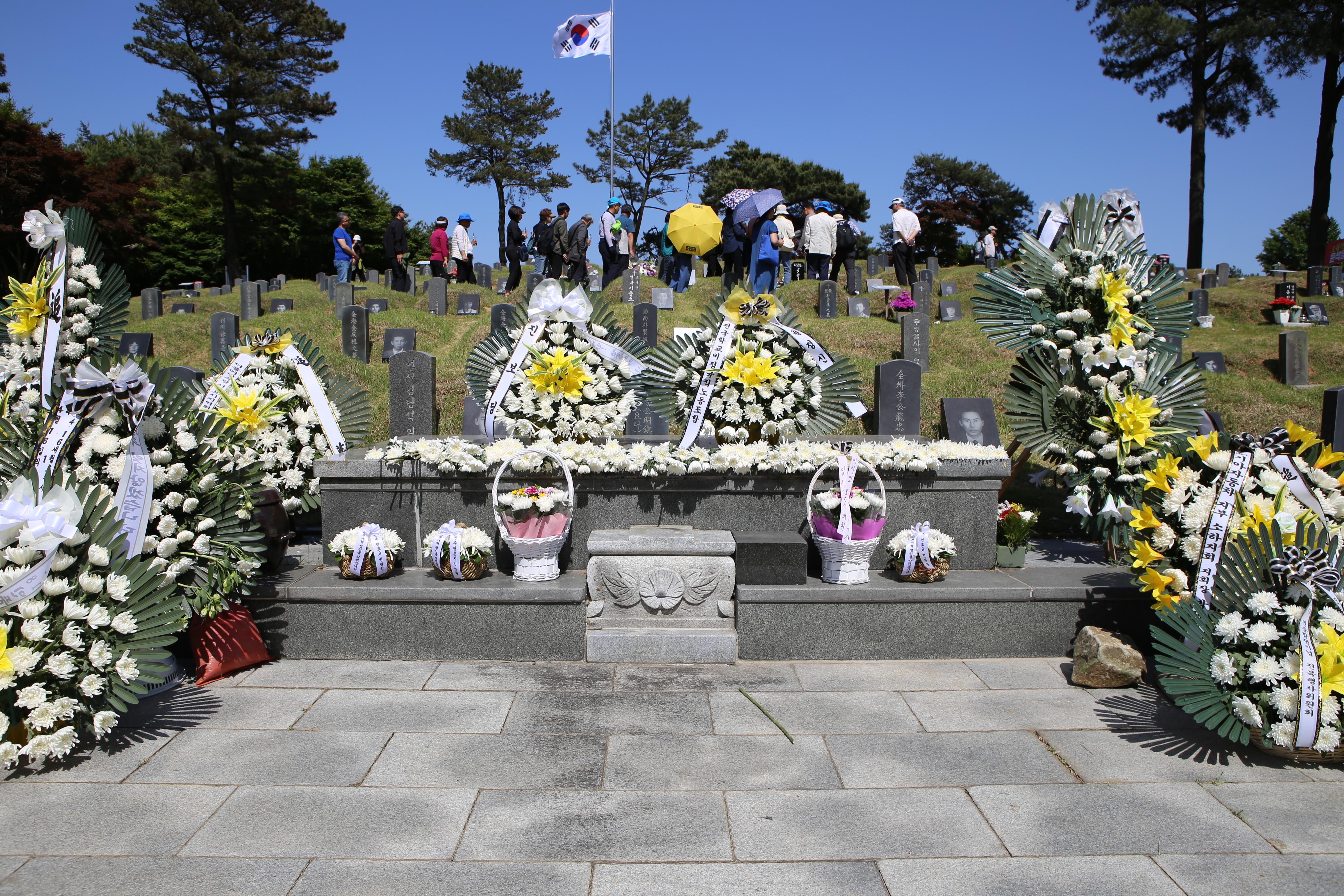
The controversy began with a reusable cup promotion that was widely associated with the phrase “Tank Day.” The timing was especially sensitive because it coincided with the anniversary of the May 18 Gwangju Democratic Uprising, when pro-democracy protesters were violently suppressed by military forces in 1980. For many Koreans, that date is commemorated as a symbol of democratic struggle, not just remembered as a historical event. It is part of the country’s painful memory of authoritarian rule and democratic change.
この論争は、再利用可能なカップの販促企画が「タンク・デー」というフレーズと広く結びつけられたことから始まりました。そのタイミングは特に微妙なものでした。というのも、それが5月18日の光州民主化運動の記念日と重なっていたからです。1980年、民主化を求める抗議者たちは軍によって暴力的に鎮圧されました。多くの韓国人にとって、その日付は単なる歴史的出来事として記憶されているだけでなく、民主化闘争の象徴として追悼されています。それは、権威主義的な統治と民主化への変化という、国の痛ましい記憶の一部なのです。
The problem was not only the word “tank.” Some people also connected the campaign language to another painful episode in South Korea’s democratic history: the 1987 death of student activist Park Jong-chul after police torture. As a result, what may have been intended as an ordinary sales promotion was interpreted by many as a cultural and historical misstep.
問題は「タンク」という言葉だけではありませんでした。一部の人々は、このキャンペーンの言葉遣いを、韓国の民主化運動の歴史におけるもう一つの痛ましい出来事、すなわち1987年に学生活動家パク・ジョンチョルが警察の拷問の末に死亡した事件とも結びつけました。その結果、通常の販売促進として意図されていたであろうものが、多くの人々によって文化的・歴史的な失策として解釈されることになりました。
The reaction was severe. Customers criticized the company online, and the parent company issued public apologies. Starbucks Korea later announced that it would close stores early for staff training on modern Korean history and social sensitivity. The company also said it would review its internal marketing procedures to prevent similar mistakes.
その反応は激しいものでした。顧客はオンラインで同社を批判し、親会社は公式に謝罪を表明しました。韓国スターバックスはその後、韓国の近現代史や社会的配慮についての従業員研修のために、店舗を早く閉めると発表しました。同社はまた、同様の過ちを防ぐために社内のマーケティング手順を見直すとも述べました。
This case shows that global brands cannot treat marketing as only a matter of design, timing and sales. In each market, words, dates and images may have local meanings that outsiders or younger employees may not immediately recognize. A campaign that seems playful in one context can appear disrespectful in another.
この事例は、グローバルブランドがマーケティングをデザインやタイミング、売上だけの問題として扱うことはできないということを示しています。それぞれの市場において、言葉や日付、画像には、部外者や若い従業員がすぐには気づかないような現地特有の意味があるかもしれません。ある文脈では遊び心があるように見えるキャンペーンも、別の文脈では失礼なものに映ることがあるのです。
The deeper lesson is not that companies should avoid all creative marketing. Rather, they need systems that help them notice cultural risk before a campaign reaches the public. Historical awareness is not just a public relations issue. For companies that operate across borders, it is part of responsible business practice.
より深い教訓は、企業がすべての創造的なマーケティングを避けるべきだということではありません。むしろ、キャンペーンが世に出る前に文化的リスクに気づくための仕組みを持つ必要があるということです。歴史的な認識は、単なる広報上の問題ではありません。国境を越えて事業を展開する企業にとって、それは責任ある事業運営の一部なのです。