
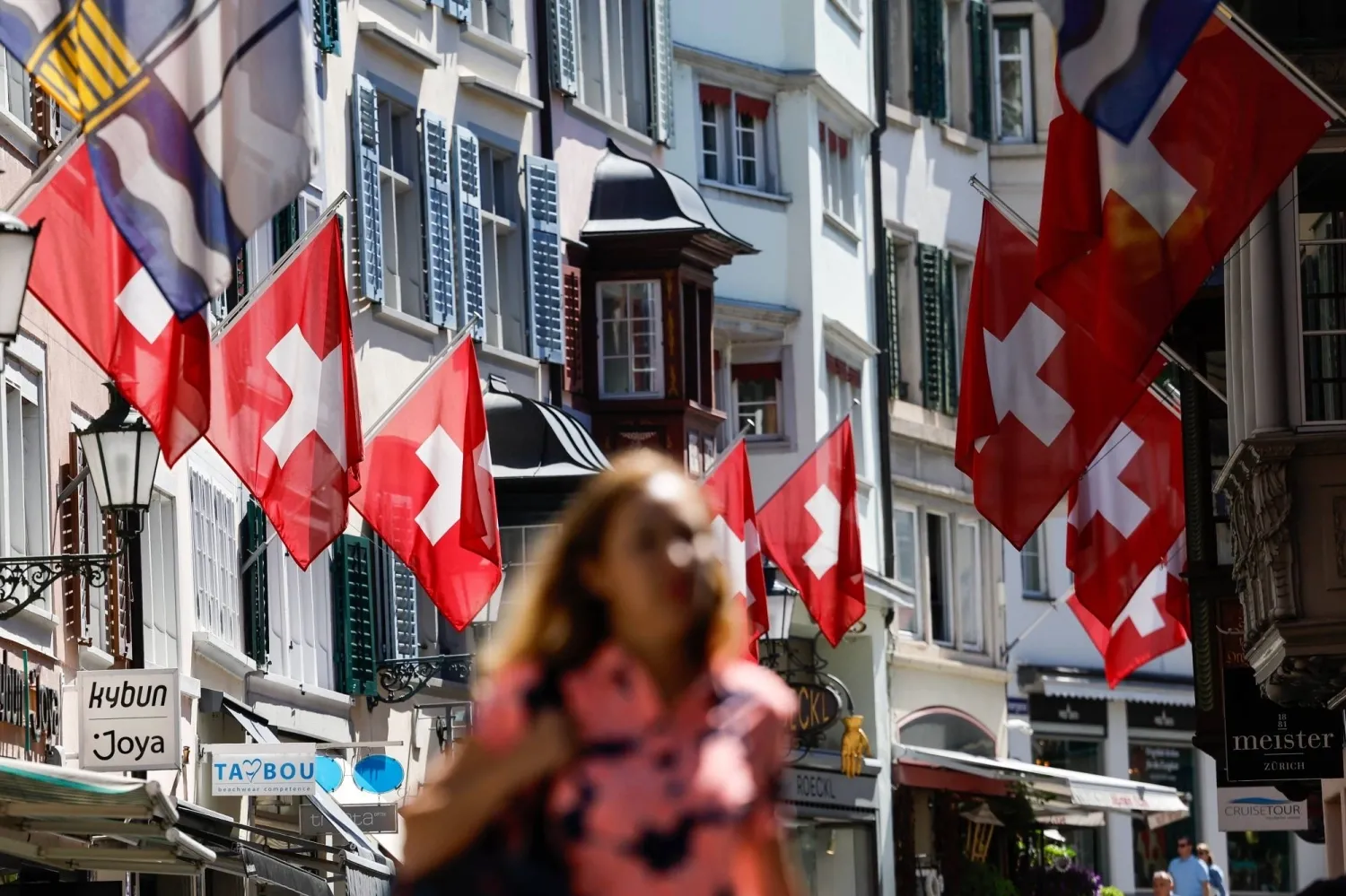
Switzerland's vote on whether to cap its population at 10 million people is not only a debate about immigration. It is a debate about what kind of prosperity a rich country wants to protect. Supporters of the proposal argue that Switzerland is becoming too crowded, with rising rents, busy trains, pressure on public services and growing frustration among residents. In their view, a population limit is a way to defend quality of life before the problem becomes unmanageable.
スイスの人口を1,000万人に上限を設けるかどうかをめぐる国民投票は、単なる移民についての議論ではありません。それは、豊かな国がどのような繁栄を守りたいのかについての議論でもあります。この提案を支持する人々は、家賃の上昇や列車の混雑、公共サービスへの負担、住民の間で高まる不満により、スイスが混雑しすぎていると主張しています。彼らの見方では、人口上限は、問題が手に負えなくなる前に生活の質を守るための手段なのです。
The proposal is politically powerful because it offers a simple number for a complicated demographic anxiety. Switzerland's population is around 9.1 million, and projections suggest it may reach 10 million in the early 2040s. For many voters, the issue is less about today's exact number and more about the feeling that growth is changing daily life. Housing shortages, congestion and infrastructure strain can make migration feel like the visible cause of wider problems.
この提案が政治的に強い影響力を持つのは、複雑な人口動態への不安に対して、単純な数字を提示しているからです。スイスの人口は現在およそ910万人ですが、予測では2040年代前半には1,000万人に達する可能性があるとされています。多くの有権者にとって、問題は今日の正確な数字そのものよりも、人口増加が日常生活を変えつつあるという実感にあります。住宅不足や混雑、インフラへの負担が重なると、移民がより広範な問題の目に見える原因であるかのように感じられてしまうことがあります。
But the economic picture is more uncomfortable. Switzerland is an unusually open and highly specialized economy. It depends not only on finance and tourism, but also on pharmaceuticals, precision machinery, engineering, health care, research and other sectors that need both local and foreign talent. A strict population cap could create a labor-market constraint, making it harder for companies to find enough workers, especially if it restricts access to skilled labor from the European Union and beyond.
しかし、経済的な実情はもっと厄介です。スイスは、非常に開放的で高度に専門化された経済を持っています。金融業や観光業だけでなく、医薬品、精密機械、工学、医療、研究といった、国内外双方の人材を必要とする分野にも依存しています。厳格な人口上限は、労働市場における制約を生み出し、特に欧州連合をはじめとする地域からの熟練労働者へのアクセスを制限する場合、企業が十分な人材を確保することをより困難にする可能性があります。
This is where the debate becomes more interesting than a simple pro- or anti-immigration argument. Immigration is not a free lunch. More people can increase demand for housing, infrastructure and public services. Yet restricting immigration is not a free lunch either. It may reduce pressure in some areas, but it can also create labor-market constraints, weaken innovation and damage relations with neighboring countries.
ここで議論は、単純な移民賛成・反対の対立よりも興味深いものになります。移民の受け入れは決して「タダ」ではありません。人口が増えれば、住宅やインフラ、公共サービスへの需要が高まります。しかし、移民を制限することもまた「タダ」ではないのです。一部の分野での負担は軽減されるかもしれませんが、労働市場の制約を生み、技術革新を弱め、近隣諸国との関係を損なう可能性もあります。
The proposal could also affect Switzerland's relationship with the European Union. If the cap eventually forces Switzerland to limit free movement, it may put pressure on agreements that allow people to live, work and study across borders. For a country whose economy is deeply connected to Europe, this could turn a domestic population debate into a broader diplomatic and economic problem.
この提案は、スイスと欧州連合との関係にも影響を及ぼす可能性があります。もしこの上限が最終的にスイスに人の自由な移動を制限させることになれば、国境を越えて人々が暮らし、働き、学ぶことを可能にしている協定に圧力がかかるかもしれません。経済がヨーロッパと深く結びついている国にとって、これは国内の人口をめぐる議論を、より大きな外交的・経済的問題へと発展させかねません。
The deeper question is whether population growth itself is the problem, or whether the real problem is how growth is managed. If housing policy is too slow, transport is underbuilt and public services are overstretched, a population cap may feel attractive. But it may also avoid harder questions about planning, investment and who benefits from growth. Switzerland's vote matters because many wealthy countries face the same policy trade-off: they want the economic benefits of openness, but not always the social pressures that come with it.
より根本的な問いは、人口増加そのものが問題なのか、それとも成長の管理の仕方こそが本当の問題なのか、ということです。住宅政策の対応が遅く、交通インフラの整備が不十分で、公共サービスが逼迫している場合、人口上限は魅力的な解決策のように感じられるかもしれません。しかしそれは、計画や投資、そして誰が成長の恩恵を受けるのかといった、より難しい問いを避けることにもなりかねません。スイスの国民投票が重要なのは、多くの豊かな国々が同じ政策上のトレードオフに直面しているからです。開放性がもたらす経済的利益は望んでも、それに伴う社会的な負担までは必ずしも望んでいないのです。