
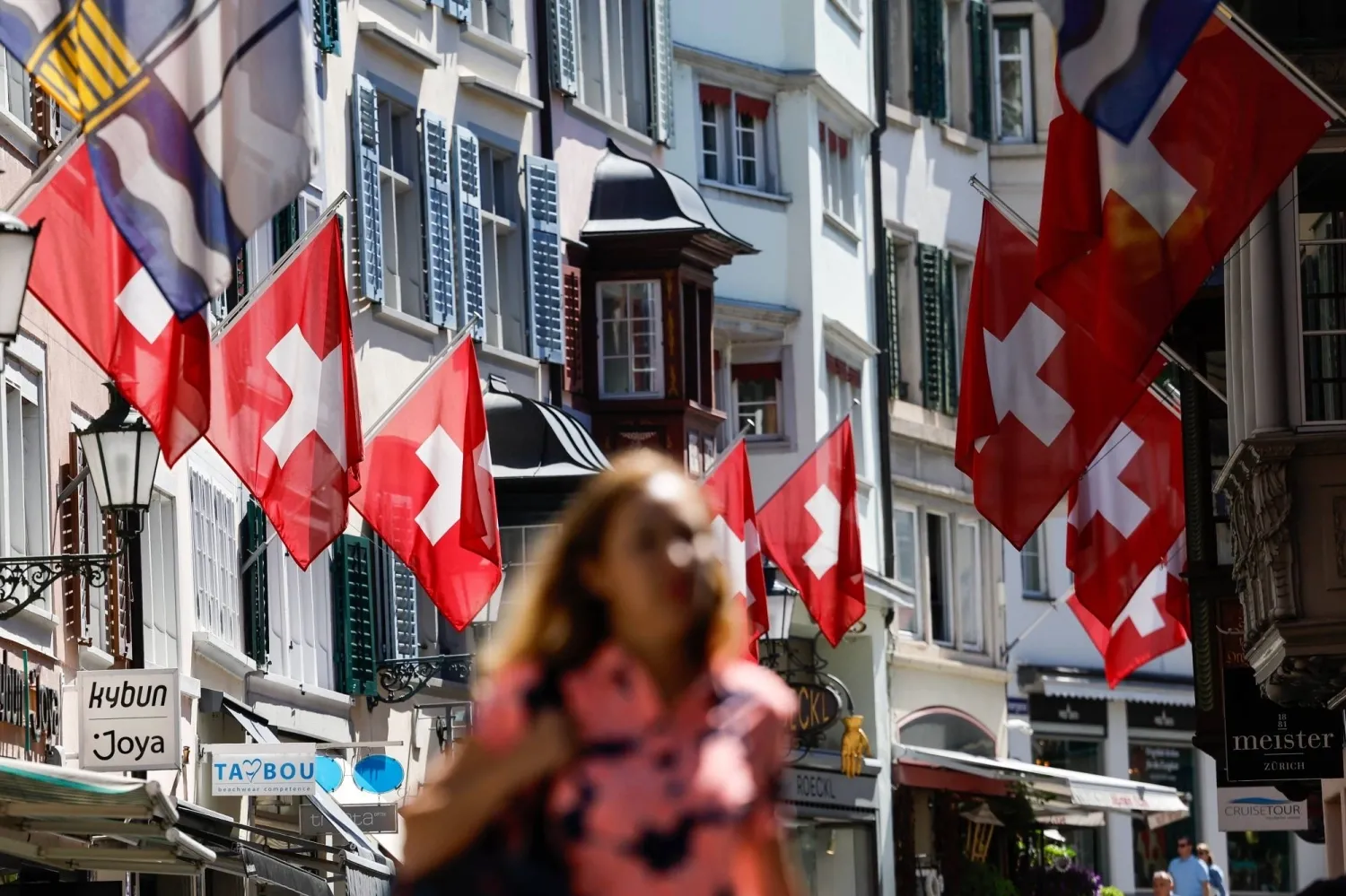
Switzerland is preparing to vote on a proposal to limit its population to 10 million people. The country currently has about 9.1 million residents, but its population has been growing. Supporters of the proposal say Switzerland is becoming too crowded. They point to rising housing costs, busy trains, pressure on public services and concerns about the environment.
スイスは、人口を1,000万人に制限する案について国民投票を行う準備を進めています。同国の現在の人口は約910万人ですが、増加傾向にあります。この提案を支持する人々は、スイスが混雑しすぎていると主張しています。彼らは、住宅費の上昇や列車の混雑、公共サービスへの負担、環境への懸念を理由に挙げています。
At first, the idea may sound simple. If a country feels too crowded, why not set a limit? But the question is more complicated. Switzerland's economy depends heavily on foreign workers. Many hospitals, restaurants, construction sites, farms and technology companies rely on people who come from other countries to work. Some industries also need highly skilled workers from abroad to stay competitive.
一見すると、この考えは単純に聞こえるかもしれません。国が混雑しすぎていると感じるなら、上限を設ければよいのではないか、というわけです。しかし、この問題はもっと複雑です。スイスの経済は、外国人労働者に大きく依存しています。多くの病院やレストラン、建設現場、農場、テクノロジー企業が、他国から来て働く人々に頼っています。一部の産業では、競争力を維持するために、海外からの高度な技能を持つ労働者も必要としています。
Opponents of the population cap warn that limiting migration could hurt the economy. They say Switzerland is not only a country of banks, watches and chocolate. It is also a country of pharmaceuticals, precision engineering and research. These sectors need talent from many countries. If companies cannot find enough workers, they may grow more slowly or move some jobs elsewhere.
人口上限に反対する人々は、移民を制限することが経済に打撃を与えかねないと警告しています。彼らは、スイスが銀行や時計、チョコレートだけの国ではないと言います。医薬品や精密工学、研究の分野でも重要な国なのです。これらの分野は、多くの国からの人材を必要としています。もし企業が十分な労働者を確保できなければ、成長が鈍化したり、一部の仕事を他国に移したりする可能性があります。
Supporters, however, argue that economic growth is not the only issue. They say ordinary people also feel the effects of population growth in daily life. Homes become harder to find, transport becomes more crowded, and public services may feel stretched. For them, the vote is a way to send a message that quality of life matters too.
しかし支持者たちは、経済成長だけが唯一の問題ではないと主張しています。彼らによれば、一般の人々も日常生活の中で人口増加の影響を感じているといいます。住宅が見つかりにくくなり、交通機関はより混雑し、公共サービスも逼迫しているように感じられます。彼らにとって、この国民投票は生活の質もまた重要であるというメッセージを発信する手段なのです。
The Swiss vote raises a question that many rich countries face. Immigration can bring workers, skills and innovation, but it can also create pressure on housing, services and local communities. A population cap sounds like a clear answer, but it may create new problems. The real issue is not only how many people should live in Switzerland, but how the country wants to balance prosperity, space and social trust.
今回のスイスの国民投票は、多くの豊かな国々が直面している問いを浮き彫りにしています。移民は労働力や技能、革新をもたらす一方で、住宅やサービス、地域社会への負担を生むこともあります。人口上限は明確な答えのように聞こえますが、新たな問題を生み出す可能性もあります。本当の問題は、スイスにどれだけの人数が住むべきかということだけでなく、繁栄と空間、そして社会的信頼をどのように両立させたいのかということなのです。