In 2014, Australian molecular biologist Lotti Tajouri accompanied his wife to hospital for the birth of their first child. An emergency Caesarean section was needed, and he entered the operating room wearing protective clothing. Everything was carefully prepared to prevent infection. Yet something seemed out of place: medical staff were using their smartphones while wearing gloves. In a room where keeping equipment sterile was so important, why were personal phones being handled? Tajouri said nothing at the time. But when he noticed the same practice during the birth of his second child three years later, he decided to investigate.
2014年、オーストラリアの分子生物学者ロッティ・タジュリは、妻の出産のため病院に付き添いました。緊急の帝王切開が必要となり、彼は防護服を着て手術室に入りました。感染を防ぐためにすべてが慎重に準備されていました。それでも何かが場違いに見えました。医療スタッフが手袋をしたままスマートフォンを使っていたのです。器材を無菌に保つことがこれほど重要な部屋で、なぜ個人の電話が扱われているのでしょうか。タジュリはそのときは何も言いませんでした。しかし3年後、第二子の出産で同じ習慣に気づいたとき、彼は調査することにしました。
His research produced some disturbing results. In one study, researchers swabbed 26 mobile phones belonging to doctors and nurses in Australian hospitals. DNA analysis identified more than 11,000 microbial records across the phones, including bacteria, viruses, and fungi. Some samples contained genetic material associated with drug-resistant bacteria, which can be difficult to treat with antibiotics. The number did not mean that every phone carried 11,000 dangerous germs. Nevertheless, the findings showed that ordinary-looking devices could carry a remarkable variety of microorganisms.
彼の研究は、いくつかの不安な結果を生みました。ある研究では、研究者たちはオーストラリアの病院の医師と看護師が持つ26台の携帯電話をスワブ採取しました。DNA分析は、細菌、ウイルス、真菌を含む、電話全体で1万1,000件超の微生物記録を特定しました。一部のサンプルには、抗生物質で治療しにくい薬剤耐性菌と関連する遺伝物質が含まれていました。その数字は、すべての電話が1万1,000個の危険な病原体を運んでいたという意味ではありません。それでも発見は、普通に見える機器が驚くほど多様な微生物を運びうることを示しました。
Why do phones collect so many microbes? Think about where yours goes during a typical day. You use it on crowded trains, in restaurants, and sometimes even in the bathroom. Your fingers repeatedly transfer material from surrounding surfaces onto its screen. Phones can harbor microbes that are invisible to the eye, and we rarely clean them as carefully as our hands. Tajouri calls the smartphone our “third hand.” The problem is that washing your actual hands does not clean your phone. Touching a contaminated screen immediately afterward can recontaminate them.
なぜ電話はこれほど多くの微生物を集めるのでしょうか。典型的な一日であなたの電話がどこへ行くかを考えてみてください。混雑した電車、レストラン、ときにはトイレでさえ使います。指は周囲の表面から物質を繰り返し画面へ移します。電話は目に見えない微生物を宿しえ、私たちは手ほど丁寧にそれを洗うことはほとんどありません。タジュリはスマートフォンを私たちの「第三の手」と呼びます。問題は、実際の手を洗っても電話はきれいにならないことです。その直後に汚染された画面に触れれば、手を再び汚染しうるのです。
This becomes especially important in hospitals. A nurse might clean their hands before caring for a patient, then check a message on a phone that has not been disinfected. If microbes move from the phone back onto the nurse’s hands, they may subsequently reach medical equipment or patients. In a larger study published in 2026, researchers examined 95 phones used by hospital workers and found genetic evidence of bacteria associated with serious infections, including antibiotic-resistant organisms. However, finding microbes or their DNA on a phone does not prove that the phone caused an infection. Not every microorganism is harmful, and DNA tests cannot always establish whether detected organisms are still alive. The studies identify a possible route of transmission, not confirmed cases of infection.
これは病院でとりわけ重要になります。看護師は患者のケアの前に手をきれいにし、その後、消毒されていない電話でメッセージを確認するかもしれません。微生物が電話から看護師の手へ戻れば、その後に医療器材や患者に届くかもしれません。2026年に発表されたより大きな研究では、研究者たちは病院職員が使う95台の電話を調べ、抗生物質耐性菌を含む深刻な感染と関連する細菌の遺伝的証拠を見つけました。しかし、電話上で微生物やそのDNAを見つけることは、電話が感染を引き起こしたことを証明しません。すべての微生物が有害なわけではなく、DNA検査は検出された生物がなお生きているかどうかを常に確定できるわけでもありません。研究が特定するのは、感染の確認された症例ではなく、ありうる伝播経路です。
The findings point to a blind spot in infection prevention. Hospitals have strict procedures for cleaning hands, equipment, and surfaces, but personal phones may receive less attention. The same problem exists in everyday life, although the consequences are generally more serious in healthcare settings. You may carefully wash your hands before preparing food, for example, and then immediately touch a phone that you have been handling throughout the day. This does not mean that using a smartphone will necessarily make you sick. It means that hand hygiene and phone hygiene should not be treated as completely separate activities.
この発見は、感染予防における死角を指し示しています。病院には手、器材、表面を清潔にする厳しい手順がありますが、個人の電話への注意は少ないかもしれません。同じ問題は日常生活にも存在しますが、結果は一般に医療現場でより深刻です。たとえば、食事を準備する前に丁寧に手を洗い、その直後に一日中触っていた電話に触れるかもしれません。これは、スマートフォンを使うと必ず病気になるという意味ではありません。手の衛生と電話の衛生を、まったく別の活動として扱ってはならないということです。
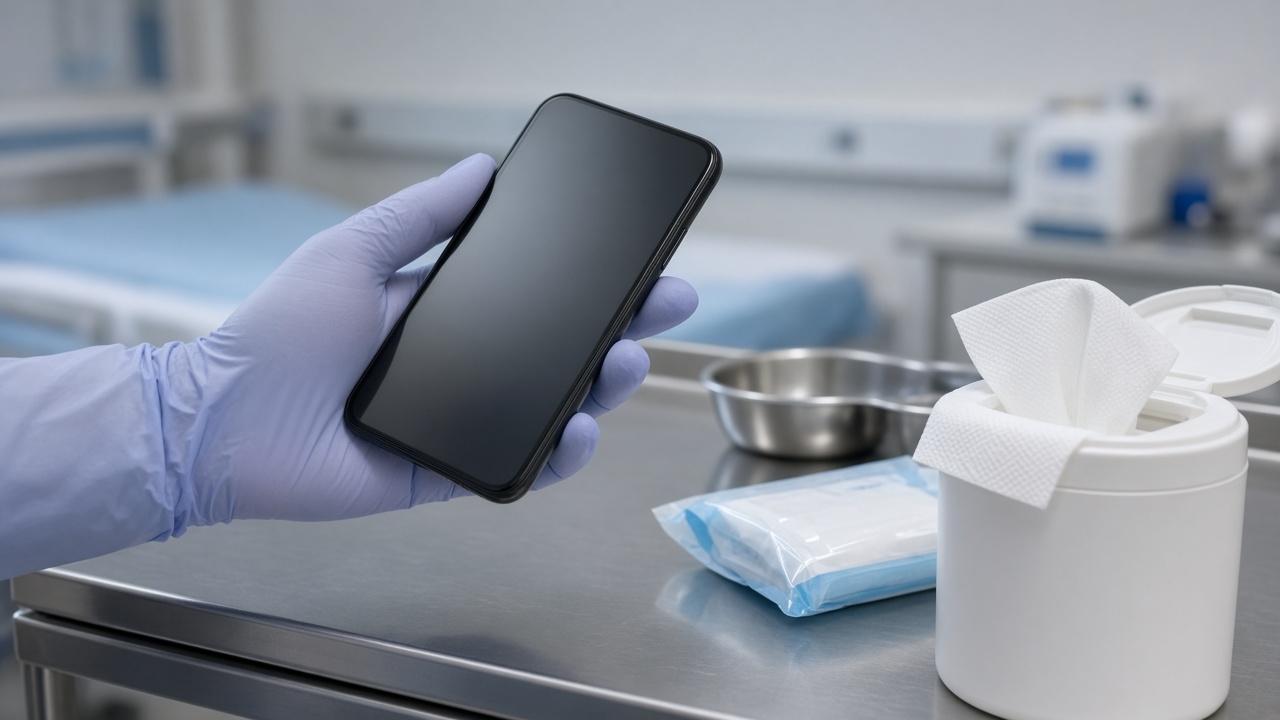
Fortunately, reducing this potential risk does not require giving up smartphones. Many manufacturers allow users to wipe down their devices with suitable disinfecting wipes, while warning against spraying liquid directly onto them or allowing moisture into openings. Hospitals can also establish clearer rules for cleaning phones used during patient care. These measures should support, not replace, regular handwashing. The aim is to break the chain by which potentially harmful microbes move between hands, phones, and other surfaces. We have learned to wash our hands before eating and after using the bathroom. Perhaps the next step is to pay more attention to the object we pick up again almost immediately afterward.
幸い、この潜在的なリスクを減らすためにスマートフォンを手放す必要はありません。多くのメーカーは、適切な消毒用ワイプで機器を拭き取ることを認めていますが、液体を直接吹きかけたり、開口部に湿気を入れたりしないよう警告しています。病院はまた、患者ケア中に使う電話の清掃について、より明確な規則を設けられます。これらの措置は、定期的な手洗いを置き換えるのではなく、支えるべきです。目的は、潜在的に有害な微生物が手、電話、ほかの表面のあいだを動く連鎖を断つことです。私たちは、食べる前とトイレの後に手を洗うことを学んできました。次の一歩は、その直後に再び手に取る物にもっと注意を払うことかもしれません。