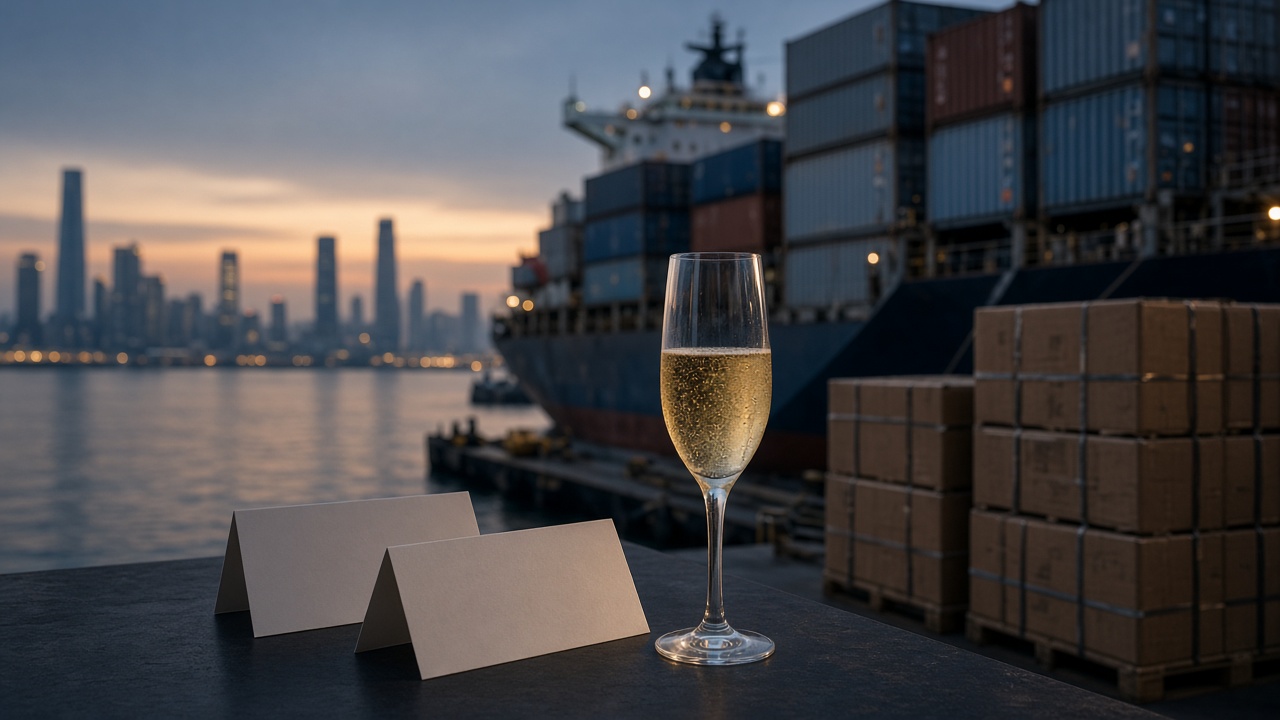
At a White House state dinner in September 2026, guests were served the same American sparkling wine used for a historic toast during President Richard Nixon’s visit to China in 1972. The choice was symbolic. More than half a century earlier, Nixon and Chinese Premier Zhou Enlai had celebrated the reopening of relations between two countries that had barely spoken for decades. This time, however, Presidents Donald Trump and Xi Jinping met amid disputes over tariffs, rare earths, artificial intelligence, and national security. How did a relationship once presented as a bridge become a struggle over economic dependence?
2026年9月のホワイトハウスの国賓晩餐会で、客には1972年のリチャード・ニクソン大統領の訪中時に歴史的な乾杯で使われたのと同じアメリカのスパークリングワインが出されました。その選択は象徴的でした。半世紀以上前、ニクソンと周恩来総理は、何十年もほとんど話していなかった二国間の関係再開を祝いました。しかし今回、ドナルド・トランプ大統領と習近平国家主席は、関税、レアアース、人工知能、国家安全保障をめぐる争いのさなかで会いました。かつて橋として示された関係は、どのように経済的依存をめぐる闘争になったのでしょうか?
Nixon’s opening to China was not mainly a business project. It was a strategic move in the Cold War. The United States wanted to change the balance of power with the Soviet Union, while China also feared Soviet pressure. Trade between the United States and China was still extremely small in 1972, but it rose to roughly one billion dollars by 1978. The famous handshake therefore did more than create commercial opportunities. It showed that countries with very different political systems could cooperate when their interests overlapped.
ニクソンの対中開放は、主にビジネスの企画ではありませんでした。それは冷戦における戦略的な一手でした。アメリカはソ連との力の均衡を変えたいと考え、中国もソ連からの圧力を恐れていました。米中間の貿易は1972年にはまだきわめて小さかったものの、1978年までにおよそ10億ドルまで増えました。したがって有名な握手は、商業的な機会を生み出す以上のことをしました。政治体制が大きく異なる国々でも、利害が重なるときには協力できることを示したのです。
During the 1980s and 1990s, the logic changed. China began economic reforms, American companies searched for lower production costs, and Western governments encouraged China’s integration into the global economy. China finally joined the World Trade Organization in 2001 after fifteen years of negotiations. Many supporters made an important assumption: international rules, foreign investment, and greater contact with the outside world would not only expand trade but also make China’s economy—and perhaps its politics—more open.
1980年代と1990年代には、論理が変わりました。中国は経済改革を始め、アメリカ企業はより低い生産コストを探し、西側政府は中国の世界経済への統合を奨励しました。中国は15年の交渉のあと、2001年にようやく世界貿易機関(WTO)に加盟しました。多くの支持者は重要な前提を置きました。国際ルール、海外投資、そして外の世界とのより大きな接触は貿易を拡大するだけでなく、中国の経済―そしておそらく政治も―をより開かれたものにするだろう、というものです。
The policy produced real benefits. China developed into a manufacturing power, American companies gained access to factories and consumers, and inexpensive Chinese products lowered costs for households around the world. Yet the benefits and losses were distributed very differently. The gains were spread among millions of consumers and businesses, while the damage was often concentrated in particular industries and towns. American communities dependent on furniture, textiles, or other manufacturing sometimes experienced job losses that lasted for years. Economic efficiency at the national level did not protect every worker at the local level.
この政策は実際の利益を生みました。中国は製造大国へと発展し、アメリカ企業は工場と消費者へのアクセスを得て、安価な中国製品は世界中の家計のコストを下げました。しかし利益と損失は、きわめて違う形で配分されました。利益は何百万もの消費者と企業に広がった一方で、損害はしばしば特定の産業と町に集中しました。家具、繊維、その他の製造業に依存するアメリカの共同体は、ときに何年も続く雇用の喪失を経験しました。国家レベルの経済効率は、地域レベルのすべての労働者を守ったわけではありませんでした。
This leads to the central paradox of the relationship. Trade and investment brought the two economies much closer together. However, China did not become more economically or politically similar to the West, as many supporters had expected. China adopted many international trade rules and carried out major market reforms, but the state retained a powerful role in the economy. Under Xi Jinping, political control also became stronger rather than weaker. Washington increasingly complained about industrial subsidies, technology transfers, and national security risks. At the same time, the United States had not done enough to help many of the workers and regions damaged by import competition. It became politically convenient to blame China for problems that were partly international and partly domestic.
これは関係の中心的な逆説につながります。貿易と投資は二つの経済をはるかに近づけました。しかし中国は、多くの支持者が予想したように、経済的にも政治的にも西側により似たものにはなりませんでした。中国は多くの国際貿易ルールを採用し、大きな市場改革を実行しましたが、国家は経済で強力な役割を保ちました。習近平の下では、政治的統制も弱まるのではなくむしろ強くなりました。ワシントンは産業補助金、技術移転、国家安全保障上のリスクについてますます不満を述べました。同時に、アメリカは輸入競争で傷ついた労働者と地域の多くを助けるために十分にしていませんでした。一部は国際的で一部は国内的な問題について中国を非難することが、政治的に都合よくなりました。
Since 2018, the United States has tried to reduce its dependence on China through tariffs and technology restrictions. China can retaliate by limiting market access or tightening control over rare earth exports. Tariffs have reduced some direct imports from China, but research suggests that part of the trade has simply moved through countries such as Vietnam and Mexico. Tariffs can also raise prices for American companies and consumers. The two economies therefore remain connected, but that connection is now treated as leverage. Their interdependence, once expected to support peace, has also created new ways for each side to pressure the other. The latest summit was less about beginning a new friendship than about preventing a fragile truce from collapsing.
2018年以降、アメリカは関税と技術制限を通じて中国への依存を減らそうとしてきました。中国は市場アクセスを制限したり、レアアース輸出の管理を強めたりすることで報復できます。関税は中国からの直接輸入の一部を減らしましたが、研究は貿易の一部が単にベトナムやメキシコなどの国を経由して動いただけだと示唆しています。関税はまた、アメリカ企業と消費者の価格を上げることもあります。したがって二つの経済はつながったままですが、そのつながりはいまやてことして扱われます。かつて平和を支えると期待された相互依存は、相手に圧力をかける新しい方法も生み出しました。最新の首脳会談は、新しい友情を始めることよりも、もろい休戦が崩れるのを防ぐことについてのものでした。
Japan has experienced both stages of this history. Nixon’s unexpected announcement in 1971 that he would visit China shocked the Japanese government and became known as one of the “Nixon shocks.” Japan then moved quickly and normalized diplomatic relations with China in September 1972. Today, Japan is again affected by every shift in U.S.–China relations. It depends on the United States for security, while China remains a major market, production base, and source of critical materials. The lesson is not that trade was a mistake—or that trade automatically creates peace. Trade cannot create political trust by itself. It can only make conflict more costly. The real challenge is to preserve useful economic ties while ensuring that no country can easily turn dependence into a weapon.
日本はこの歴史の両段階を経験してきました。1971年の訪中を予期せず発表したニクソンの声明は日本政府を衝撃させ、「ニクソン・ショック」の一つとして知られるようになりました。日本はその後すばやく動き、1972年9月に中国と国交を正常化しました。今日、日本は再び米中関係のあらゆる変化に影響を受けます。安全保障ではアメリカに依存する一方で、中国は依然として主要な市場、生産拠点、重要物資の供給源です。教訓は、貿易が誤りだったということでも、貿易が自動的に平和を生むということでもありません。貿易はそれ自体では政治的信頼を作れません。紛争をより高くつくものにできるだけです。本当の課題は、有用な経済的つながりを保ちつつ、どの国も依存をたやすく武器に変えられないようにすることです。