
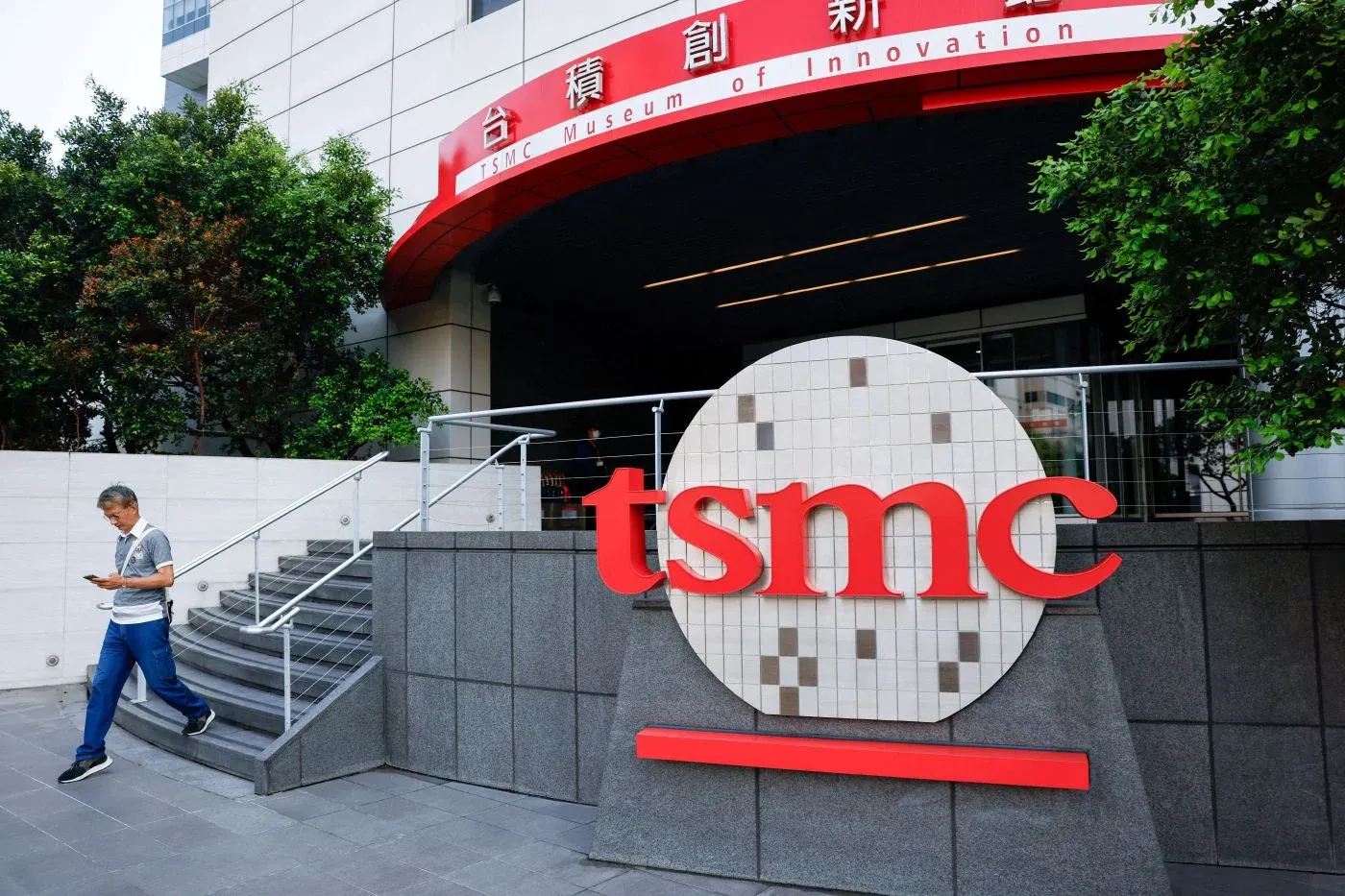
TSMC, the world's leading contract chipmaker, has become one of the most important companies in the global AI economy. It manufactures advanced semiconductors for major technology firms whose products power smartphones, data centers, cloud services and artificial intelligence systems. As AI investment accelerates, TSMC is under pressure to expand production capacity while maintaining the technological edge that made Taiwan central to the global chip supply chain.
世界最大の受託半導体メーカーであるTSMCは、世界のAI経済において最も重要な企業の一つとなりました。同社は、スマートフォン、データセンター、クラウドサービス、人工知能システムを支える大手テクノロジー企業向けに、先進的な半導体を製造しています。AIへの投資が加速する中、TSMCは、台湾を世界の半導体サプライチェーンの中心たらしめてきた技術的優位性を維持しながら、生産能力を拡大するよう迫られています。
One of the key questions facing the industry is whether today's AI boom represents a temporary bubble or a multi-year structural shift. TSMC's view appears to be that the demand is real and durable. The company has pointed not only to orders from its direct customers, but also to the investment plans of their customers, especially hyperscalers that are spending heavily on AI infrastructure. That gives TSMC confidence that demand is being driven by a broader ecosystem, not only by short-term market excitement.
業界が直面している重要な問いの一つは、今日のAIブームが一時的なバブルなのか、それとも何年にもわたる構造的な転換なのかということです。TSMCの見方は、この需要は本物であり持続的だというもののようです。同社は、直接の顧客からの注文だけでなく、その顧客の投資計画、特にAIインフラに多額の投資を行っているハイパースケーラー企業の動向にも注目していると述べています。このことがTSMCに、需要が単なる短期的な市場の熱狂ではなく、より広いエコシステム全体によって牽引されているという確信を与えています。
Expanding supply, however, is not simple. Semiconductor fabrication plants require enormous capital expenditure, highly specialized engineers and years of operational experience. New fabs may take two or three years to build, followed by additional time to reach stable production levels. TSMC is expanding in Taiwan, the United States, Japan and Germany, but the most advanced technologies are still expected to ramp first in Taiwan, where research, engineering talent, suppliers and manufacturing expertise are concentrated.
しかし、供給を拡大することは容易ではありません。半導体製造工場には莫大な設備投資、高度に専門化された技術者、そして長年の運用経験が必要です。新しいファブは建設に2〜3年かかることもあり、さらに安定した生産水準に達するまでにはそれ以上の時間が必要です。TSMCは台湾、アメリカ、日本、ドイツで拡大を進めていますが、最先端の技術については、研究開発、技術者人材、サプライヤー、製造ノウハウが集中する台湾でまず立ち上げられると見られています。
The company also sees future demand coming from areas beyond today's data centers. Humanoid robots, autonomous vehicles and advanced industrial automation could all require powerful AI chips. In aging societies, robots may be used to support older people or perform tasks where labor is limited. If these applications grow, AI-related chip demand could extend well beyond cloud computing and consumer electronics.
同社はまた、現在のデータセンター以外の分野からも将来的な需要が生まれると見ています。ヒューマノイドロボット、自動運転車、高度な産業オートメーションはいずれも高性能なAIチップを必要とする可能性があります。高齢化が進む社会では、ロボットが高齢者を支援したり、労働力が不足する作業を担ったりするようになるかもしれません。こうした用途が拡大すれば、AI関連のチップ需要はクラウドコンピューティングや家電製品をはるかに超えて広がる可能性があります。
At the same time, the risks are significant. Semiconductor demand is cyclical, and even long-term growth trends can include painful slowdowns. Overcapacity, rising costs, export controls and geopolitical tension could all affect the industry. TSMC must therefore balance confidence in AI demand with disciplined investment and supply-chain resilience.
同時に、リスクも小さくありません。半導体需要には循環的な性質があり、長期的な成長トレンドの中にも痛みを伴う減速期が含まれることがあります。過剰生産能力、コストの上昇、輸出規制、地政学的緊張はいずれも業界に影響を及ぼしかねません。そのためTSMCは、AI需要への確信と、規律ある投資やサプライチェーンの強靭性とのバランスを取らなければなりません。
The broader lesson is that AI is not only a software story. Behind every chatbot, data center, robot or autonomous vehicle is a complex manufacturing system that takes years to build. Whether the AI boom proves excessive or sustainable, companies like TSMC will remain central to how quickly new technologies can move from ambition to reality.
より大きな教訓は、AIが単なるソフトウェアの話ではないということです。あらゆるチャットボット、データセンター、ロボット、自動運転車の背後には、完成までに何年もかかる複雑な製造システムが存在します。AIブームが行き過ぎだったのか、それとも持続可能なものだったのかにかかわらず、TSMCのような企業は、新しい技術が構想から現実へとどれだけ速く移行できるかを左右する中心的な存在であり続けるでしょう。