
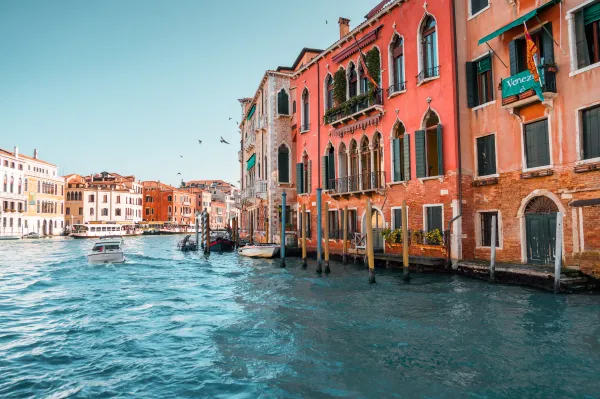
Venice has long been one of the world’s most famous tourist cities. Its canals, bridges, churches, and narrow streets attract millions of visitors every year. But for many inhabitants, the problem is no longer simply that tourists come. The deeper concern is that the city may be losing its role as a place where ordinary people can live.
ヴェネツィアは長い間、世界で最も有名な観光都市の一つであり続けてきました。その運河、橋、教会、そして狭い路地は、毎年何百万人もの観光客を魅了しています。しかし、多くの住民にとって問題は、もはや単に観光客が訪れることではありません。より根深い懸念は、この街が普通の人々が暮らす場所としての役割を失いつつあるということです。
To curb overtourism, Venice introduced an access fee for day-trippers. Visitors who come only for the day must register and pay a charge on certain busy dates. The city’s new mayor has suggested raising the fee sharply on peak days, possibly to as much as 50 euros. Supporters say this could reduce crowding, encourage longer stays, and help pay for services such as cleaning, transport, and maintenance.
オーバーツーリズムを抑制するため、ヴェネツィアは日帰り観光客に対する入場料を導入しました。日帰りだけで訪れる観光客は、特定の混雑日には登録を行い、料金を支払わなければなりません。この街の新市長は、ピーク時の料金を大幅に引き上げ、最大で50ユーロにすることを提案しています。支持者たちは、これによって混雑が緩和され、滞在の長期化が促され、清掃、交通、維持管理などのサービス費用を賄う助けになると主張しています。
However, many locals are not convinced that a higher entry fee will solve the real problem. A fee may bring in money, but it does not automatically create affordable housing, protect small shops, or stop apartments from becoming short-term rentals. Some residents worry that the policy treats Venice like a museum: a beautiful place to visit, but not a normal community where people live, work, raise families, and buy everyday goods.
しかし、多くの地元住民は、入場料を引き上げることが本当の問題を解決するとは考えていません。料金は収入をもたらすかもしれませんが、それだけで手頃な住宅が生まれたり、小さな商店が守られたり、アパートが短期賃貸に転用されるのが止まったりするわけではありません。一部の住民は、この政策がヴェネツィアを博物館のように扱っているのではないかと懸念しています。訪れるには美しい場所だが、人々が暮らし、働き、家族を育て、日用品を買うような普通の地域社会ではない、というわけです。
This concern is sometimes described as the museumification of a city. Venice may remain visually beautiful and economically valuable, while its urban fabric becomes weaker. If local schools, grocery stores, repair shops, and ordinary housing disappear, the city can still attract visitors but become less livable for the people who are supposed to call it home.
この懸念は、時に「都市の博物館化」と表現されます。ヴェネツィアは見た目には美しく、経済的にも価値のある街であり続けるかもしれませんが、その都市としての基盤は弱くなっていく可能性があります。地元の学校、食料品店、修理店、普通の住宅が姿を消していけば、その街は観光客を引きつけ続けても、そこを故郷と呼ぶべき人々にとっては住みにくい場所になってしまいます。
Day-trippers are a special part of the debate. They can add pressure to crowded streets and public transport, but they may spend less money than overnight visitors. Hotels, restaurants, and local businesses may prefer tourists who stay longer and spend more. The city therefore faces a difficult policy question: how to welcome visitors without letting tourism accelerate depopulation or weaken daily life.
日帰り観光客は、この議論において特別な位置を占めています。彼らは混雑した通りや公共交通機関にさらなる負担をかける一方で、宿泊する観光客に比べて使うお金は少ないかもしれません。ホテル、レストラン、地元の商店にとっては、より長く滞在し、より多く消費する観光客の方が望ましいでしょう。そのため、この街は難しい政策上の問いに直面しています。観光が人口減少を加速させたり、日常生活を損なったりすることなく、いかにして観光客を迎え入れるかという問題です。
There is also a fairness issue. If the fee becomes too high, Venice may become easier for wealthy tourists to visit and harder for ordinary travelers. At the same time, residents may feel uncomfortable if they must constantly prove that they belong in their own city. A system designed to control tourists can also change how locals experience daily life.
公平性の問題もあります。もし料金が高くなりすぎれば、ヴェネツィアは裕福な観光客にとっては訪れやすく、一般の旅行者にとっては訪れにくい場所になってしまうかもしれません。同時に、住民自身が自分の街に住んでいることを常に証明しなければならないとしたら、居心地の悪さを感じる可能性もあります。観光客を管理するために設計された制度は、地元住民が日常生活を経験する方法そのものも変えてしまうことがあるのです。
The case of Venice shows that overtourism is not only about numbers. It is about housing, local services, transport, jobs, public space, and the balance between visitors and inhabitants. A city can earn money from tourism and still lose the conditions that make it a real community.
ヴェネツィアの事例は、オーバーツーリズムが単に数の問題ではないことを示しています。それは住宅、地域サービス、交通、雇用、公共空間、そして観光客と住民のバランスに関わる問題です。都市は観光から収入を得ながらも、それを本当の地域社会たらしめる条件を失ってしまうことがあります。
Charging day-trippers may help manage the most crowded days, but it cannot answer the larger question by itself. Venice must decide whether it wants to be mainly a destination for visitors or a living city with a functioning urban fabric. If the second goal matters, the solution will need to go beyond an entry fee.
日帰り観光客に課金することは、最も混雑する日を管理する助けにはなるかもしれませんが、それだけでより大きな問いに答えることはできません。ヴェネツィアは、主に観光客のための目的地であり続けたいのか、それとも機能する都市基盤を持つ生きた街でありたいのかを決めなければなりません。もし後者を目指すのであれば、その解決策は入場料だけにとどまらないものが必要になるでしょう。